OMC Financial Dispute Sparks Clash Over Loans and Property Sale
OMC Financial Dispute erupted into a heated confrontation during a church executive meeting at The Oriental Mission Church (OMC) on May 3, as members openly challenged church leadership over loans, property sales, and transparency surrounding a controversial solar project.
What was expected to be a routine church meeting instead became dominated by accusations involving debt, alleged fraud, and questions over the handling of church assets.
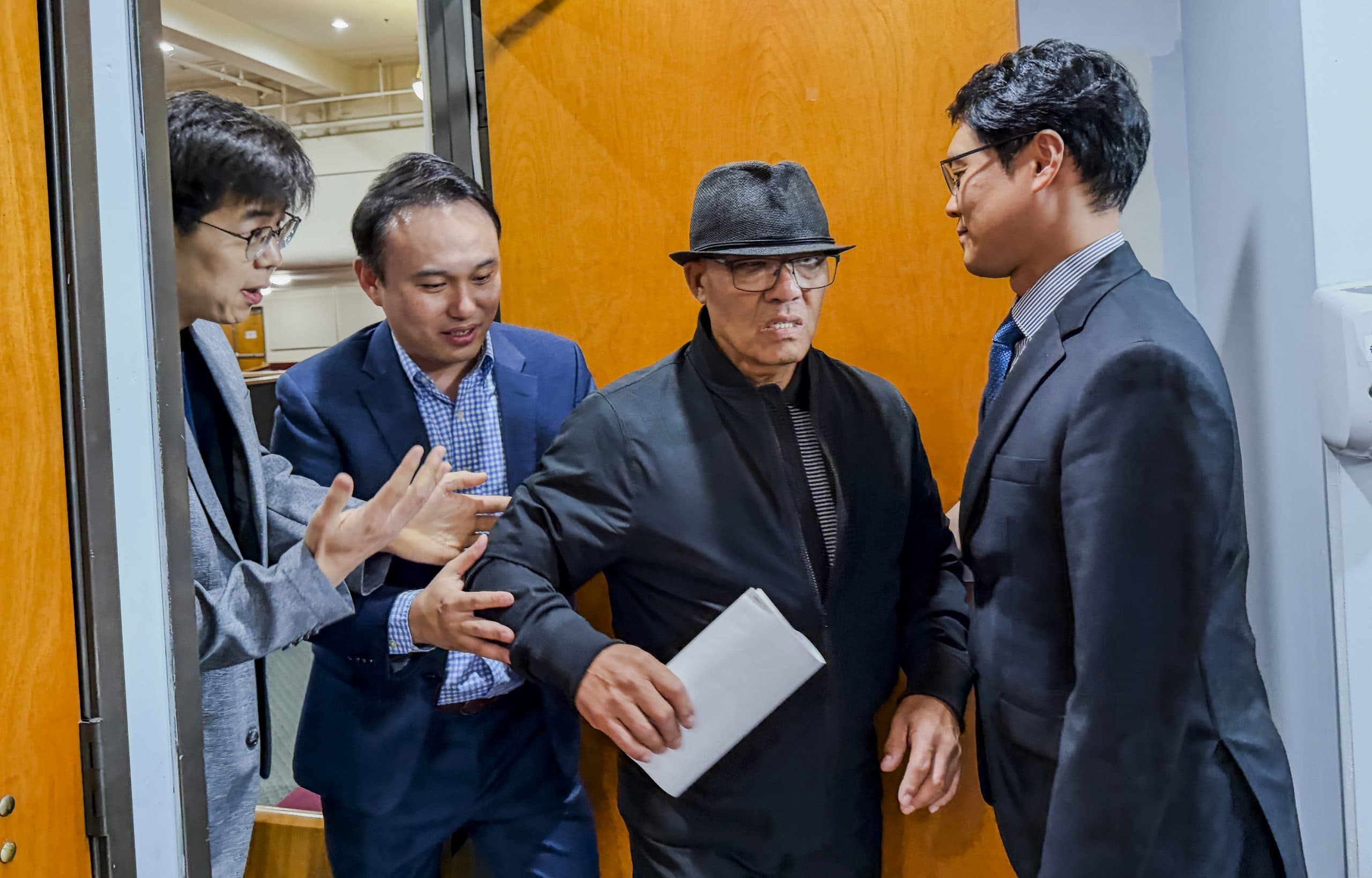
The Oriental Mission Church, led by Senior Pastor Jihoon Kim, held its executive committee meeting at 1:15 p.m. Sunday to discuss church finances and administrative matters. Tensions escalated during discussions related to the church’s solar installation project, previously reported by local media in April.
The dispute centers on the church’s decision to secure private financing using church-owned real estate as collateral and later sell part of its property to repay the debt. Congregation members who raised concerns argued that the church failed to provide sufficient transparency regarding the borrowing process, collateral agreements, property sale decisions, and the remaining funds after repayment.
A derivative lawsuit has already been filed in Los Angeles County Superior Court by a church member against church leadership.
Transparency Concerns Grow Over Church Property Sale
One congregant who has attended the church for more than 40 years publicly demanded full disclosure regarding the solar project and related property transactions.
“Church property is not personal property. It is a community asset built through donations from church members,” the congregant said during the meeting. “The loan agreements, collateral arrangements, and property sale process must be transparently disclosed.”
The member also claimed that Pastor Jihoon Kim previously dismissed questions about the matter during an earlier meeting, saying the issue had already been explained.
Before the meeting began, church officials reportedly removed a member who questioned the loan and property transactions, describing the individual as “unqualified” to participate. A reporter attempting to gather comments from both sides was also asked to leave.
Questions Raised Over Missing Financial Details
Additional controversy emerged after attendees noted that financial reports presented during the meeting did not include proceeds from a rapid property sale reportedly completed for $3.05 million to repay church debt.
According to one attendee, Finance Director Junwon Lee verbally stated during the meeting that approximately $1.3 million had been repaid. However, court documents reportedly list the repayment amount as $1.7 million, creating a discrepancy of roughly $400,000.
Members also questioned why the property’s sale price had allegedly been lowered from an original $3.65 million to $3.05 million without broader approval.
Under nonprofit religious corporation rules, major financial decisions typically require multiple layers of internal approval, including executive committees, church elders, and congregational meetings. It remains unclear whether those procedures were fully followed.
One church member said, “If church land was sold, members deserve to know the sale price, where the money was spent, and how much ultimately remained for the church.”
OMC Financial Dispute Expands Over Loan Transfer Questions
Further concerns were raised regarding the transfer of loan funds from a Utah-based lender. Critics claimed the money was wired not to the official religious corporation account of The Oriental Mission Church, but instead to an account under the name “Oriental Mission Church Corporation.”
Opponents of the transaction argued, citing the lawsuit, that the entity either did not legally exist or was unrelated to the church itself. Based on that claim, some members argued the entire loan agreement could be legally invalid.
At the same time, supporters of church leadership defended the transactions as legitimate and accused critics of creating unnecessary division within the congregation.
During the meeting, some attendees emphasized the need to protect the church despite the controversy.
Pastor Jihoon Kim said the church plans to organize its official position and hold a public press conference later this month.
The executive committee at OMC consists of church officers including pastors, elders, deacons, and senior female leaders responsible for administrative operations within the church.