MacArthur Park Narcan Debate Intensifies Over LA Drug Policy
MacArthur Park Narcan Debate is intensifying in Los Angeles as residents and business owners clash with public health officials over the city’s free distribution of overdose reversal drugs near the crime-plagued park.
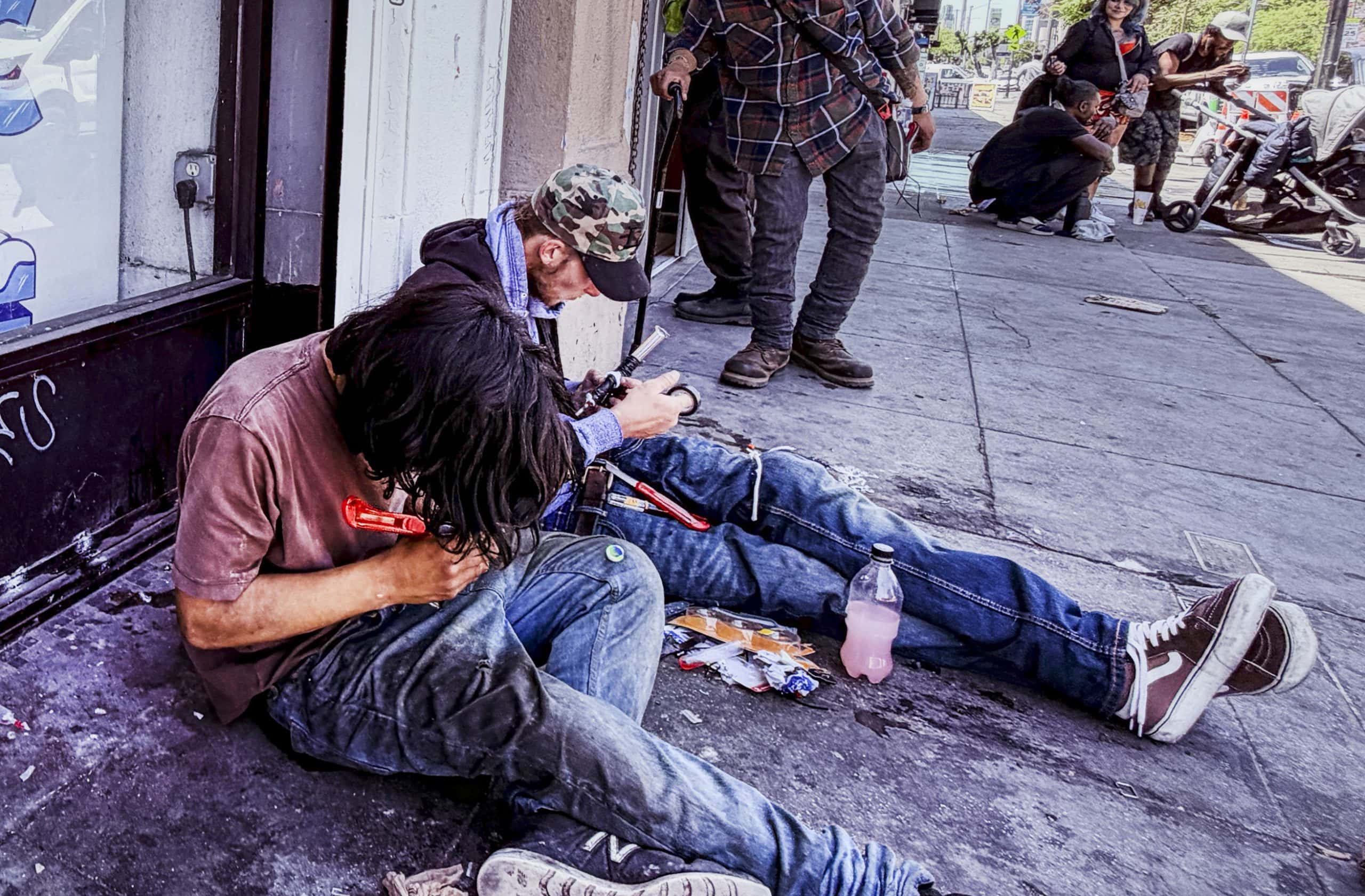
The controversy escalated after a large-scale drug enforcement operation led by the Drug Enforcement Administration (DEA) and other agencies took place around MacArthur Park on May 6. Following the crackdown, nearby residents and local business owners argued that the city’s overdose prevention policies are enabling addiction rather than solving the underlying drug crisis.
Residents Demand End to Free Narcan Distribution
A press conference was held May 7 outside the famed deli restaurant Langer’s near MacArthur Park, where community activists and local leaders criticized the city’s harm reduction strategy.

Norm Langer, owner of the iconic Langer’s Deli, called on Los Angeles officials to immediately stop distributing Narcan and related drug-use supplies in the area.
“What people need is treatment and rehabilitation, not an environment that normalizes drug use,” Langer said. “The city should immediately cancel contracts tied to overdose drug distribution programs.”
Langer’s Deli, a historic Los Angeles institution that has operated for more than 80 years, previously warned in 2024 that worsening crime and homelessness near MacArthur Park could force the business to close.
Throughout the park, Narcan boxes containing fentanyl overdose reversal medication have been installed on trees and utility poles to provide emergency access during overdoses. The city and county have also distributed disposable syringes to reduce secondary infections caused by needle sharing among drug users.
Critics argue that the policy fails to address addiction at its root and instead allows users to continue consuming fentanyl and methamphetamine in public spaces.
Safe Cities Criticizes Harm Reduction Policies
Safe Cities representatives joined the protest and claimed the city’s policies are contributing to ongoing drug activity inside the park.
John Alle, a representative of the organization, said free Narcan and drug-related supply distribution encourage users to remain in the area and continue using narcotics.
“They stay in the park using fentanyl and methamphetamine because these resources are constantly available,” Alle said. “It is also contributing to rising crime in the neighborhood.”
The growing MacArthur Park Narcan Debate reflects broader tensions across Los Angeles over how to balance public safety concerns with overdose prevention efforts.
Health Officials Defend Narcan Programs
Public health authorities, however, strongly defended the distribution policy, calling Narcan a life-saving emergency tool.
According to the Los Angeles County Department of Public Health, fentanyl-related deaths fell 37% last year, while overdose deaths among homeless individuals dropped 21% following expanded Narcan distribution efforts.
In MacArthur Park alone, officials recorded 33 Narcan deployments during the first three months of this year. There were 135 reported uses throughout all of last year.
Barbara Ferrer, director of the county public health department, said Narcan can save lives during critical overdose emergencies.
“We must provide people with the immediate support and tools they need,” Ferrer said.
Data from the Los Angeles Fire Department showed that since 2022, approximately 24,503 out of 25,461 people who received Narcan survived their overdoses — a survival rate of roughly 96%.
LA Narcan Budget Continues to Grow
Los Angeles County has continued expanding funding for overdose prevention programs despite criticism.
The county’s related budget increased from approximately $6.93 million during the 2024-25 fiscal year to about $8.13 million for 2025-26.
California has also invested more than $130 million into free Narcan distribution programs since 2022 as part of a broader public health strategy aimed at reducing overdose deaths, infections, and other drug-related harms even when addiction itself is not fully resolved.