Beyond the Stadiums: Decoding the Ultimate BTS 2.0 Era Goals
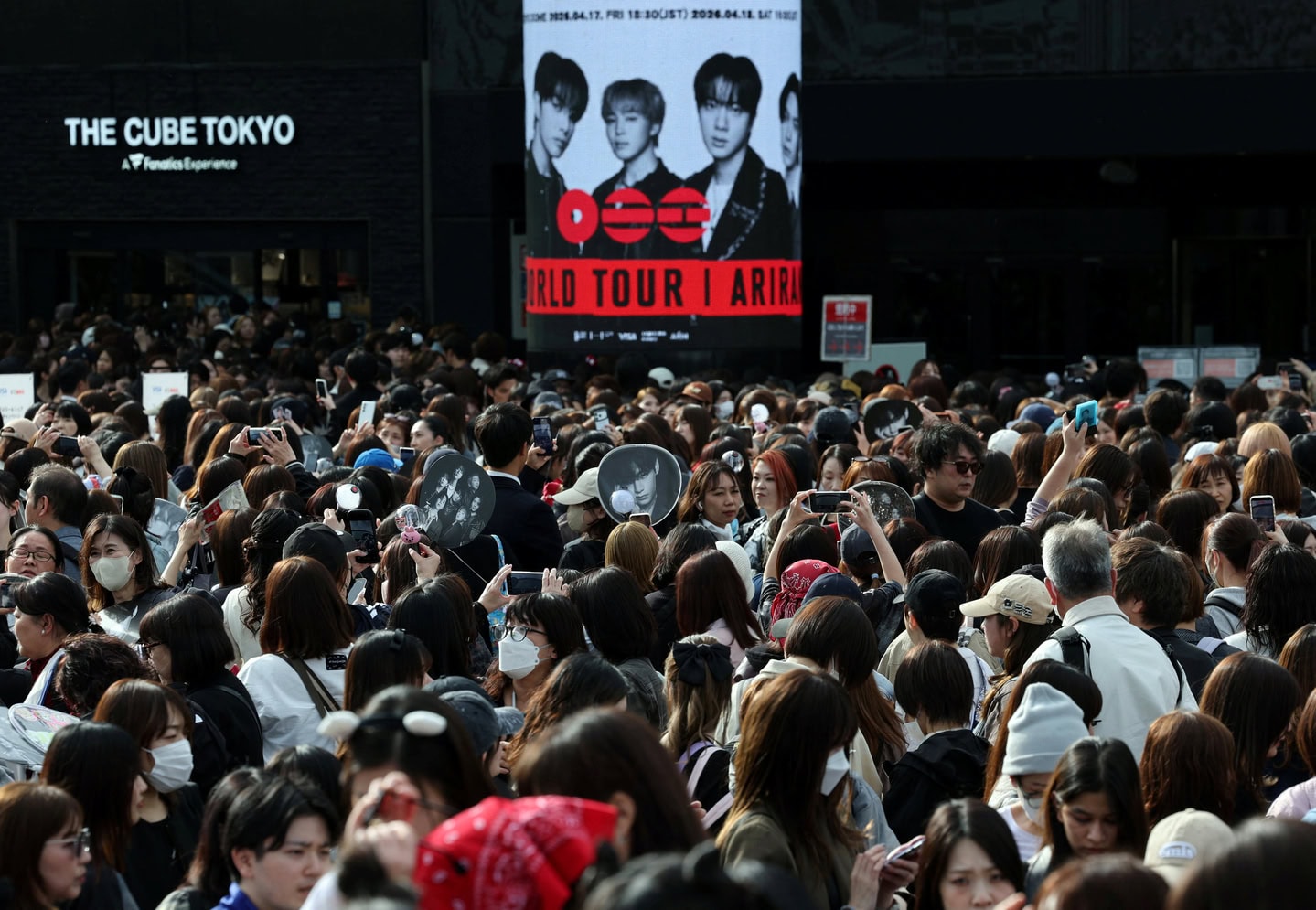
The question isn’t whether BTS can reclaim their throne—it’s whether there are any thrones left to take. As the septet officially launches their “Arirang” world tour, the industry is buzzing about the defined BTS 2.0 era goals. After a four-year hiatus and a triumphant return that paralyzed Mexico City with 150,000 fans, the group has moved past the “success” phase and entered the “legacy” phase. But for an act that has already redrawn the boundaries of K-pop, what milestones actually still hold weight?
The Holy Trinity of Music Milestones: Super Bowl, Coachella, and Grammys
To understand the BTS 2.0 era goals, we have to look at the three final bosses of the Western music industry: a Super Bowl Halftime show, a Coachella headline slot, and that elusive Grammy trophy.
The Super Bowl represents the ultimate seal of American mainstream visibility. While rumors have floated for years, performing at the center of the most-watched sporting event in the U.S. would solidify BTS not just as a “K-pop group,” but as a permanent fixture of global pop culture. On the other hand, a Coachella headline spot offers a different kind of prestige. It’s about live-music credibility before a diverse, trend-setting festival crowd. For BTS, the choice to headline the desert festival would be a strategic move to showcase their evolution into a high-art, stadium-level rock-and-pop hybrid.
Institutional Validation: The Grammy Dilemma
Of all the BTS 2.0 era goals, the Grammy Award remains the most complicated. Despite multiple nominations and show-stopping performances in the past, a win in a major category has stayed just out of reach. In 2026, the narrative has shifted. Critics argue that BTS no longer needs a Grammy to prove their worth, but a win would serve as a long-overdue acknowledgment from an institution that has historically struggled to evaluate K-pop on its own merits. Whether it’s through the “Arirang” album or future collaborations, the quest for the gold gramophone continues to be a focal point for both the band and the ARMY.
Cultural Roots Meet Global Ambition
What makes this new chapter unique is how the group is balancing global expansion with their Korean identity. The “Arirang” tour, which features traditional Korean aesthetics and masks, proves that one of the core BTS 2.0 era goals is to redefine “global” music by being unapologetically “local.” By visiting the Mexican National Palace and meeting with world leaders, BTS is proving that their second act is as much about diplomacy and cultural exchange as it is about catchy hooks and sharp choreography.
As the “Arirang” era unfolds, the world watches to see which of these peaks the group will scale next. One thing is certain: in the world of BTS, “impossible” is just a suggestion.