USCIS Visa Site Visits Expand for H-1B, OPT Workers
USCIS Visa Site Visits are increasing for foreign workers and international students across the United States, raising concerns over unannounced workplace inspections tied to employment-based visas and OPT programs.
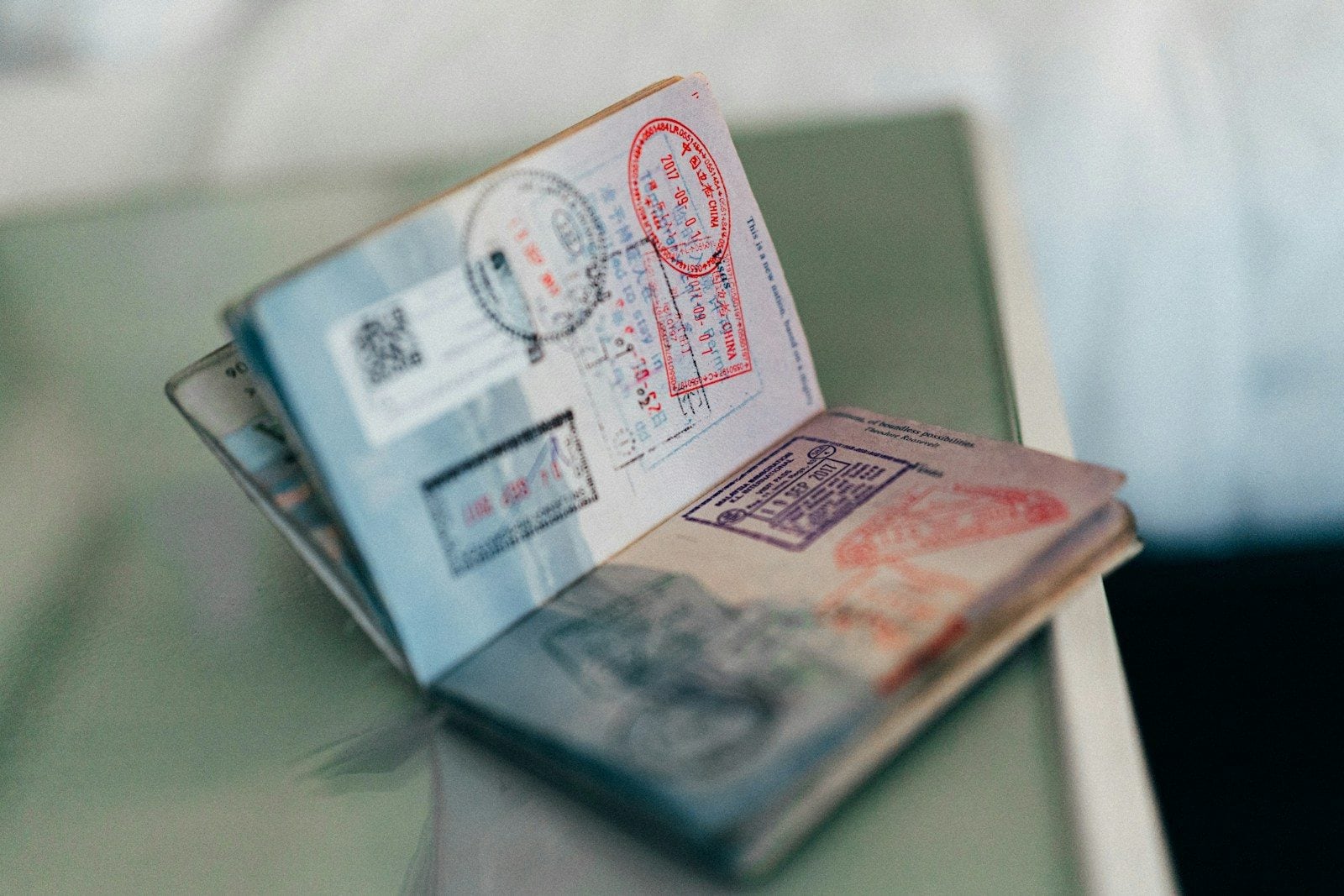
Immigration attorneys warn that discrepancies between visa application documents and actual job conditions could lead to visa revocation or termination of legal status.
A 28-year-old employee working under an E-2 visa at a Korean-owned trading company in Los Angeles Koreatown said he recently experienced a surprise inspection by officers from the Fraud Detection and National Security Directorate (FDNS), a division of U.S. Citizenship and Immigration Services (USCIS).
According to the employee, two FDNS officers approached him in the company lobby and reviewed information related to his visa petition, including his job title, salary, photograph and employment details. The officers also asked whether he was working full time and what his daily responsibilities involved.
The same questions were later directed to his department supervisor.
“It felt like they were checking whether my answers matched the company’s explanation,” the employee said.
The officers reportedly entered the office, checked his workstation and confirmed whether he was actively using a company email account. The inspection lasted between 40 minutes and one hour.
What USCIS Officers Check During Site Visits
Immigration attorneys say these inspections have become increasingly common in recent months, particularly for H-1B professional worker visas.
David No, an immigration attorney, said USCIS officers mainly verify whether the information listed in the visa petition accurately reflects real working conditions.
“They review whether the employee’s position, job duties, salary and work location match the original filing,” No said. “If the employee’s answers conflict with company records or the actual situation differs from submitted documents, it can trigger further investigation or even visa revocation.”
H-1B petitions are considered a major target for verification because immigration authorities closely monitor whether workers are performing legitimate specialty occupation duties, maintaining full-time employment and receiving the required prevailing wage.
With remote work becoming more common, home-site inspections are also increasing.
Attorney Wan Seok Oh said workers are not required to allow immigration officers into private residences without consent.
“Because it is a private home, individuals can refuse entry,” Oh said. “However, employees should remain calm, cooperate appropriately and immediately contact their company representative or attorney.”
OPT and L-1 Programs Also Under Scrutiny
In addition to H-1B cases, companies sponsoring OPT students, L-1 intracompany transferees and R-1 religious workers are also facing increased oversight.
For OPT participants, inspectors often focus on whether the job is directly related to the student’s field of study, whether proper supervision is taking place and whether the employer is following the I-983 training plan requirements.
USCIS Visa Site Visits and Employer Response
Jane Jung, another immigration attorney, warned that employees unfamiliar with their visa details could unintentionally create problems during questioning.
“If an employee gives inaccurate answers because they do not fully understand the petition details, the situation can escalate,” Jung said. “Employers should respond through a designated representative or immigration attorney who understands the visa filing.”
She also advised companies not to disclose confidential client information or sensitive business materials without proper review, even if officers request access to work laptops or internal records.
Attorneys recommend that employees clearly understand their official job title, primary duties, salary and work arrangement before any inspection occurs. If workers are unsure about an answer, attorneys say it is safer to say they do not know rather than speculate.
Failure to properly report changes in work location, job duties, salary or position to USCIS could place visa status at risk.
Despite increased enforcement activity, however, H-1B approval rates remain high. The H-1B approval rate for fiscal years 2025 and 2026 reached 97.6%, higher than the roughly 90% to 94% approval rates seen during the administration of former President Barack Obama.