Controversy Grows After Critical Coverage
Some Welcomed Calls for Reform and Direction
Others Allegedly Threatened Ad Boycotts
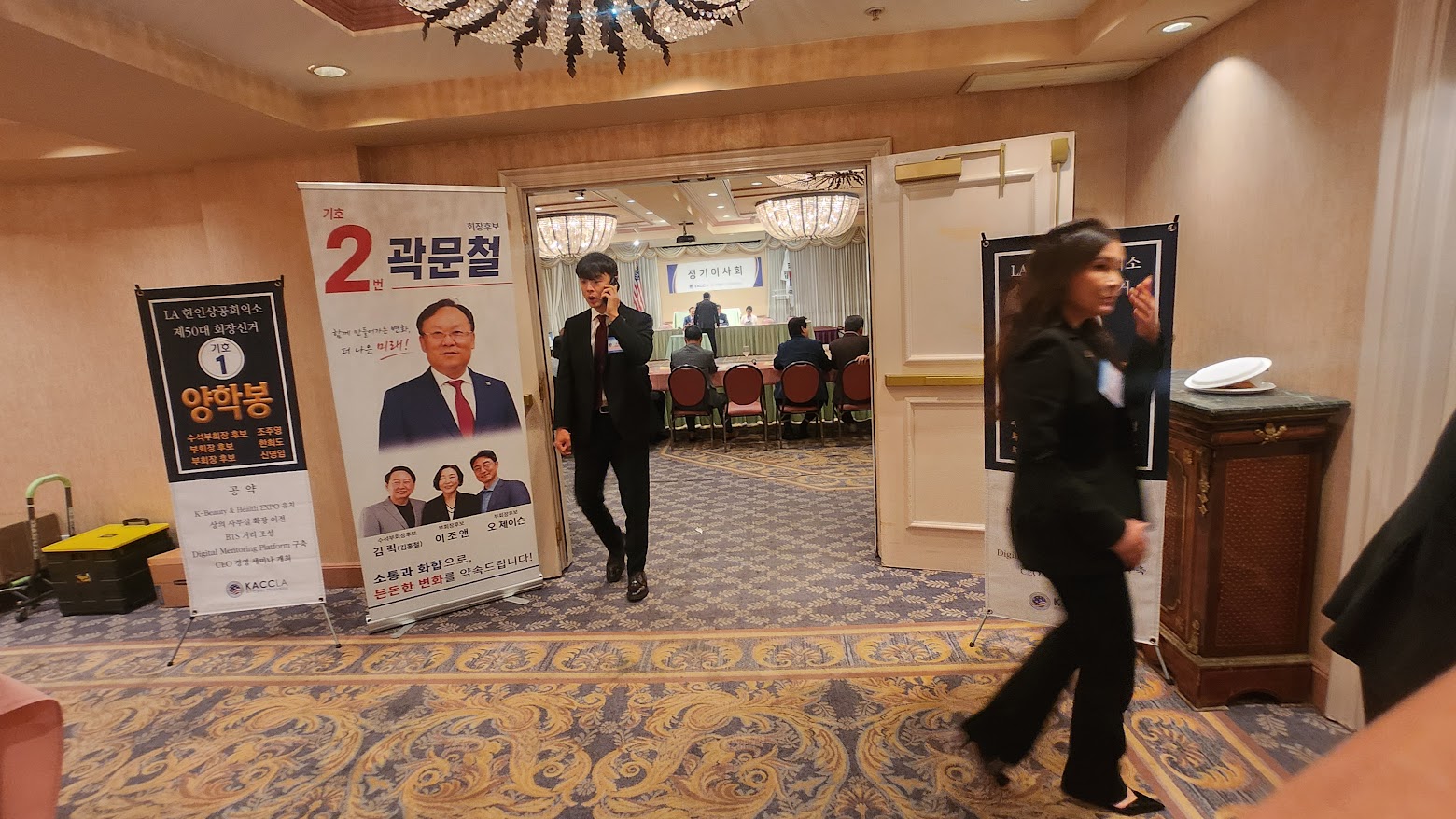
Following recent coverage examining the current state and future direction of the Los Angeles Korean American Chamber of Commerce, reactions from chamber members and leadership have revealed growing tensions within the organization.
The articles, published on May 18 and 19, sparked widespread discussion among current and former members. While many privately expressed appreciation for what they described as an honest assessment of long-standing organizational problems, others reportedly reacted with anger over what they considered the exposure of internal matters.
According to several individuals familiar with the situation, some chamber executives allegedly attempted to identify members believed to have spoken with reporters. One insider described the atmosphere as resembling a search for “internal leakers,” with certain leaders reportedly demanding to know who had shared concerns about the organization.
Critics, however, argue that most of the issues discussed in the reports were hardly confidential. Many of the criticisms — including repetitive leadership cycles, limited transparency, and lack of long-term vision — have circulated openly within the Korean American business community for years.
Some chamber members also questioned why the coverage did not place greater emphasis on the organization’s positive contributions.
A review of recent reporting, however, shows that the chamber’s activities — including meetings, networking events, community programs, and leadership initiatives — have been covered extensively over the past year. The organization has consistently been treated as one of the Korean American community’s most influential business institutions.
More troubling to some observers were reports that a handful of members discussed pulling advertising from media outlets critical of the chamber. Critics say such reactions reflect a misunderstanding of the role of community journalism.
“If advertising had no value, newspapers could not survive,” one observer noted. “Trying to silence criticism through advertising pressure raises serious concerns.”
The broader controversy has fueled questions about whether some leaders view the chamber primarily as a service organization or as a structure built around internal influence and control. Critics argue that organizations dedicated to community service should welcome accountability and discussion rather than respond defensively to criticism.
At the same time, others within the chamber have taken a more constructive view.
Sang Bong Chung, the chamber’s current president, said he appreciated the articles’ attempt to raise larger questions about the organization’s future direction.
“I saw the coverage as offering ideas and direction for where the chamber should go moving forward,” Chung said. Regarding reports of attempts to identify internal sources, he added, “Those were simply frustrations expressed by a few individuals. It was never discussed by the executive leadership. We need to move beyond that kind of narrow thinking.”
Many within the Korean American community say the controversy ultimately reflects a deeper issue: whether the chamber is willing to evolve into a more transparent, inclusive, and community-centered institution.
Community leaders note that behind the organization’s public image are countless volunteers and board members who have quietly dedicated years of service to supporting Korean American businesses. They argue that honoring those efforts requires not only preserving the chamber’s traditions, but also honestly reassessing its mission, leadership culture, and long-term priorities.