As South Korea prepares for its first group-stage match at the 2026 FIFA World Cup, one hidden factor could play a decisive role in how far the team goes: recovery.
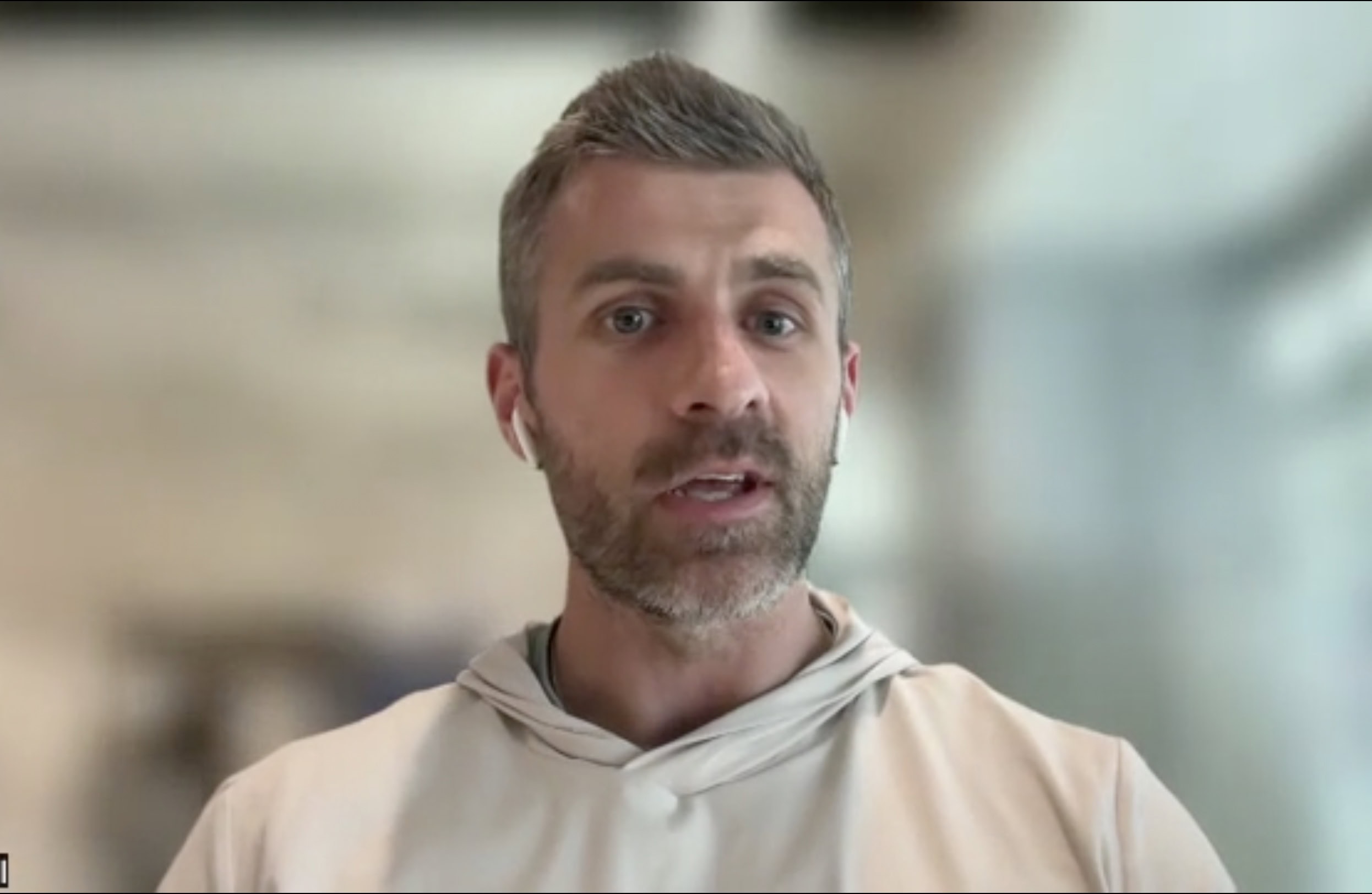
Dr. Marc Fell, senior performance nutritionist at Science in Sport (SiS), said South Korea’s ability to refuel, rehydrate, and recover in Mexico’s high-altitude environment could be just as important as tactics on the pitch.
“Recovery might not win you the World Cup,” Fell told The Korea Daily on June 9. “But under-recovery can make you lose the World Cup.”
Fell’s assessment carries added weight because SiS previously worked with Tottenham Hotspur while Son Heung-min was at the club. Fell said he had seen firsthand how professional Son was in his approach to nutrition, recovery, and overall performance.
He said Tottenham players used customized recovery products designed to restore energy, repair muscle damage, and replace fluids and electrolytes after matches. One recovery drink, initially developed specifically for Tottenham, later evolved into a commercial product.
“With Sonny especially, he loved a lot of the nutrition products and supplements that we provided,” Fell said.
South Korea will play its group-stage matches in Mexico, where altitude is expected to be one of the tournament’s most important environmental challenges. Playing at around 1,500 meters above sea level means less oxygen is available to the body, forcing players to work harder to deliver oxygen to their muscles.
“At altitude, the main limiting factor is the reduced availability of oxygen,” Fell said. “Your body has to work harder to distribute blood flow across the working muscles. It adds another layer of stress on top of what is already a stressful situation in a soccer match.”
That added stress can accelerate fatigue, particularly in a sport built around repeated sprints, explosive movements, and quick decision-making. Fell said the body relies heavily on carbohydrates during those high-intensity moments, but at altitude, those carbohydrate stores are used up more quickly.
“You could perform at sea level and at altitude with the same amount of energy stored,” he said. “But at altitude, your body will use up that carbohydrate reserve a lot quicker.”
That makes fueling before and during matches critical. Fell said players typically aim to consume 30 to 60 grams of carbohydrates per hour during a match, but at altitude, they may need to target the higher end of that range. Energy drinks, gels, and other carbohydrate sources can help players maintain energy before fatigue becomes visible.
“One of the pitfalls is that players may only start consuming carbohydrates when they feel their energy dropping,” Fell said. “But by that point, it’s too late.”
The hydration breaks expected during the tournament could also become key strategic moments. Fell said they should not be viewed simply as water breaks, but as opportunities to manage heat stress, receive tactical instructions, and take in additional energy.
“They are important from both a health perspective and a performance perspective,” he said. “Players can use those breaks not only to hydrate, but also to consume energy drinks or gels, and use cooling strategies such as ice-cold towels around the neck to reduce core body temperature.”
Fell emphasized that the first hour after a match is one of the most important recovery windows. Players often have little appetite immediately after a high-intensity game, but failing to refuel during that period can affect preparation for the next match.
“In the first hour after a soccer match, players should aim to consume one gram of carbohydrate per kilogram of body mass,” he said. “For many players, that is roughly 70 to 80 grams of carbohydrates.”
Protein and electrolytes are also essential. Carbohydrates restore glycogen, protein supports muscle repair, and fluids and sodium help replace what players lose through sweat. That is why all-in-one recovery drinks can be useful, especially when players are too fatigued or nauseous to eat a full meal immediately after a match.
“At altitude and in heat, the body is under even more stress,” Fell said. “So recovery becomes even more important, especially when you have another match in three or four days.”
Sleep is another major factor. Fell said teams are increasingly using wearable devices, individualized bedding, blackout curtains, and biomarker testing to help players recover faster during short tournaments.
“For me, in a World Cup, it is about being really diligent with every component of recovery,” he said. “Nutrition, hydration, muscle repair, and sleep all need to be planned.”
Fell also gave South Korea credit for spending roughly three weeks training in a high-altitude environment before the tournament. He said that the amount of time should be enough for players to acclimate and may even improve aerobic capacity by stimulating red blood cell production.
“If they have spent three weeks living, training and sleeping at altitude, they should be acclimated,” he said. “They may actually get a performance benefit.”
By contrast, Fell said the Czech Republic’s reported plan to arrive in Mexico only one day before facing South Korea could be risky. Some teams use a short-arrival strategy to avoid the accumulated stress of staying at altitude, but Fell said the approach can backfire.
“You might get a temporary effect by dropping in close to the match,” he said. “But personally, I think it is a risky strategy.”
For South Korea, Fell said the priorities are clear: acclimate properly, manage travel carefully, and adapt nutrition and hydration plans to the altitude and heat. Travel, he noted, can increase the risk of illness because the immune system is already under stress after matches.
His final message was simple: South Korea must eat more, fuel more often during matches, and recover more aggressively afterward.
“In these conditions, nutrition and hydration are even more important,” Fell said. “Those small scientific details could make a decisive difference.”