AI daily life is no longer a futuristic concept — it’s becoming part of how people plan vacations, complete work tasks, learn new skills, and even preserve cherished memories.
As artificial intelligence tools become more accessible, many Korean Americans are turning to AI for tasks that once required hours of research or professional assistance. From restaurant recommendations and travel itineraries to health advice and productivity support, AI is rapidly evolving from a search tool into an everyday companion.
For 25-year-old Lee Seoyoon, AI recently became an unexpected travel planner.
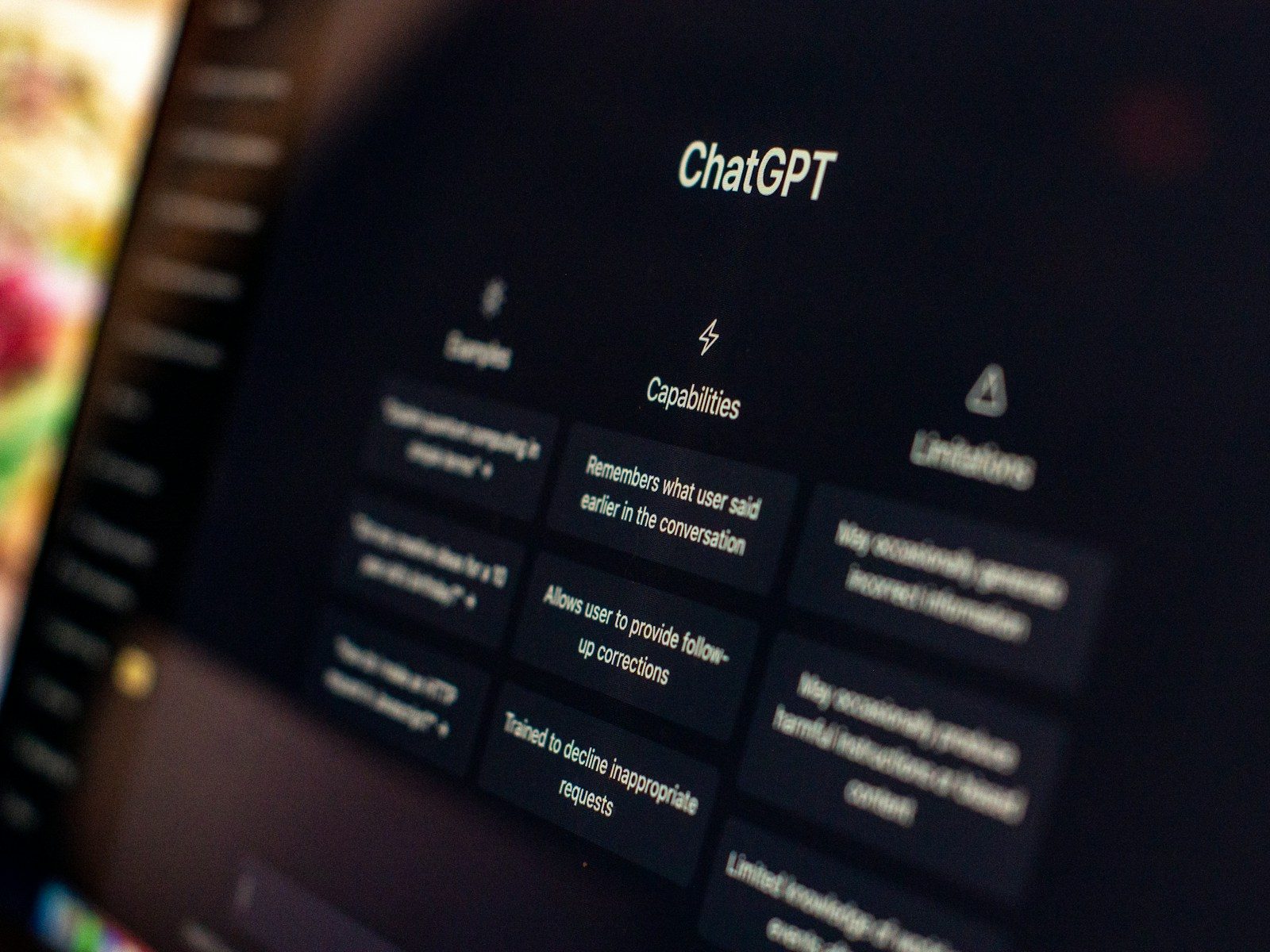
“When my parents visited from Korea, I asked ChatGPT to create an LA itinerary for parents in their 50s,” Lee said. “It suggested the best routes, restaurant hours, sightseeing spots, sunset locations, and even the exact sunset times. It saved me countless hours of planning.”
AI Is Bringing Old Memories Back to Life
The impact of AI daily life extends beyond convenience.
Social media has seen a surge in AI-powered photo restoration content that transforms old images into realistic moving videos.
Popular Instagram accounts such as “memory_restorer_ai” use AI technology to restore photographs of independence activists, fallen firefighters, military heroes, and family members, creating lifelike animations that appear to bring historical figures back to life.
Others are using AI to enhance faded wedding photos, restore childhood pictures, or recreate videos of beloved pets that have passed away.
The emotional appeal of these projects has attracted millions of views online, highlighting AI’s growing role in preserving personal and cultural memories.
AI Is Saving Workers Hours Every Week
Artificial intelligence is also reshaping workplace culture.
According to a recent report from the Los Angeles Times, employees who actively use AI tools save an average of 11 hours per week through increased productivity.
Software developer Jin Yonghyun, 28, said AI has dramatically improved his workflow.
“AI has made it much easier to build platforms that automate outdated business processes,” Jin explained. “Tasks that once took five hours can now be completed in about 30 minutes.”
As interest grows, demand for AI education is rising as well.
The Korean American Senior & Community Center of Los Angeles recently offered AI training courses for seniors, which reportedly filled on the very first day registration opened.
Executive Director Park Kwan-il said many older adults are eager to learn how AI can improve their daily lives.
Schools Are Fighting Back Against AI Cheating
Not everyone views AI’s rapid expansion positively.
Universities across the country are increasingly experimenting with unusual methods to prevent AI-assisted cheating during online exams.
According to reports, one sociology course at University of California, Los Angeles required students to position large mirrors behind their desks so instructors could view the entire workspace through webcam feeds.
In other classes, students reportedly took oral exams while keeping their arms crossed or hands behind their heads to prevent them from secretly entering answers into AI platforms.
The rise of AI daily life is creating new opportunities, new efficiencies, and new challenges all at once.
Whether helping families plan vacations, restoring treasured memories, boosting workplace productivity, or forcing schools to rethink testing methods, artificial intelligence is rapidly becoming one of the most influential technologies shaping modern life.
And for many people, the AI revolution isn’t coming someday — it’s already here.