Flat Beer and Booming Airbnbs: The Unpredicted Economic Reality of the 2026 World Cup Business Trends
The corporate battleground running alongside the matches has yielded some shocking upsets. While local bars and major stadiums are packed, the traditional financial giants of sports tourism—Big Beer, luxury hotels, and commercial airlines—are taking an unexpected beating. Instead, a fascinating shift in 2026 World Cup Business Trends shows that platform-based streaming and shared economy lodging are the ones actually taking home the gold.
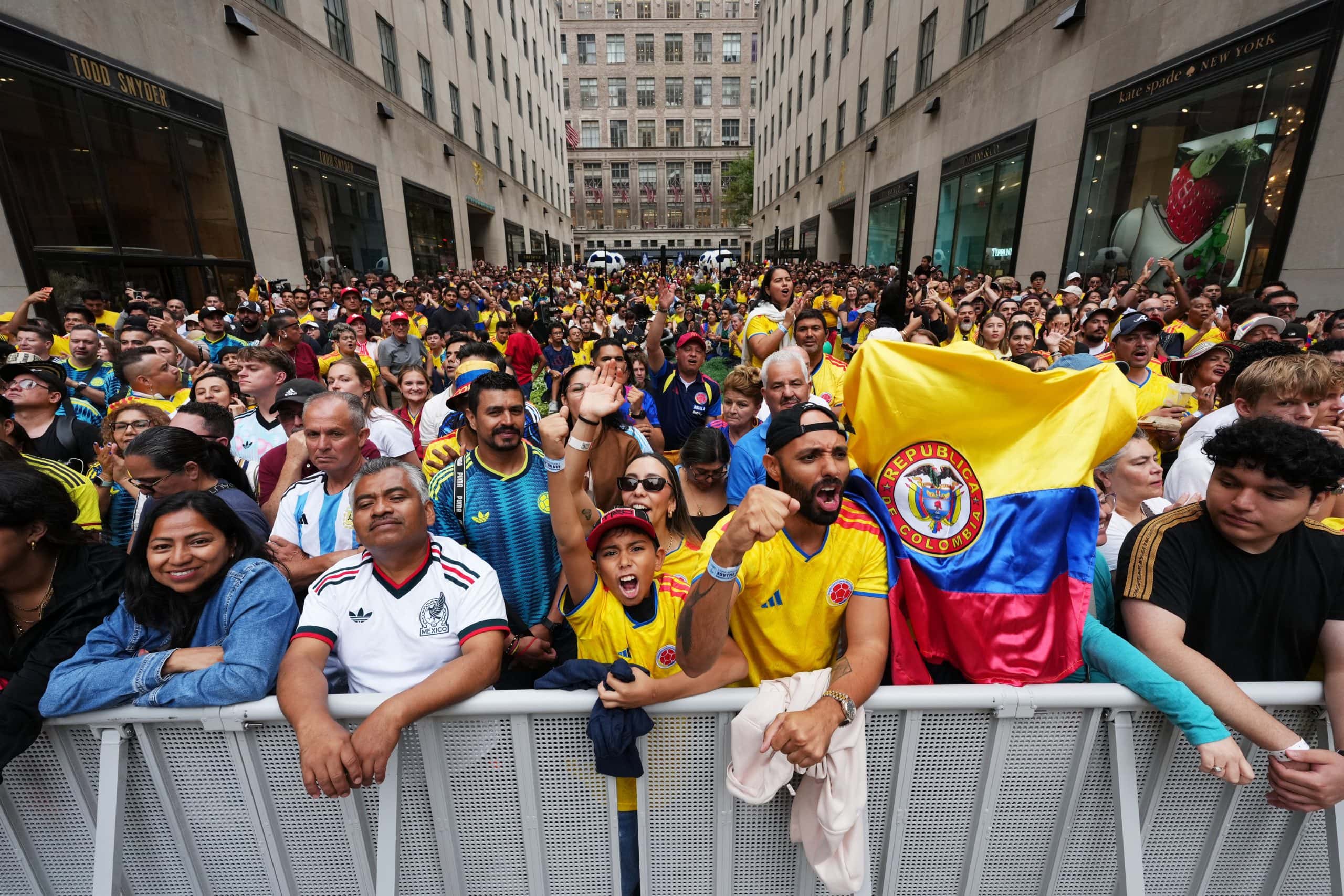
As it turns out, the unpredictable performance of powerhouse national teams is completely reshaping corporate balance sheets overnight.
Early Knockouts Leave Global Beer Giants Stale
When heavyweights like Brazil and Mexico were dramatically eliminated in the Round of 16 on July 6, 2026, the shockwaves directly hit the stock market.
-
AB InBev (maker of Corona and Skol), which relies on Latin America for half its revenue, saw its stock plummet over 4% on the Brussels exchange.
-
Heineken (-1.4%) and Constellation Brands (-4.9%) quickly followed the downward trend.
According to Morgan Stanley, beer consumption historically peaks during the high-stakes final knockout stages. With early exits dampening watch parties across the Americas, Q3 earnings for the beverage sector are looking increasingly flat.
The Travel Plot Twist: Airbnbs Trump Traditional Hotels
You would think hotels in the 11 US host cities would be completely booked out, but the American Hotel & Lodging Association (AHLA) reports that 80% of these properties missed their reservation targets. With ticket prices averaging nearly $1,000, combined with steep US visa hurdles and expensive long-distance travel between the 16 host cities, fans are cutting costs where they can.
Enter the sharing economy. Airbnb has experienced an unprecedented boom as groups of fans pool their funds to split lodging costs. The platform revealed that roughly one in six bookers during the tournament are first-time users, pushing Airbnb’s stock up more than 10% over the past month.
Home Stadiums: TV Tech and Sports Betting Upsets
Instead of traveling, millions are opting for the ultimate living room experience. The US vs. Bosnia Round of 32 match drew a staggering 33.5 million viewers across Fox and Telemundo, setting an all-time record for US soccer broadcasts.
This massive “couch fandom” sparked an 8% year-over-year spike in global TV shipments, with premium Mini LED TVs from Samsung and Hisense flying off shelves.
The House Doesn’t Always Win: US betting giant DraftKings reportedly lost up to $50 million during the group stage alone, hit hard by fans successfully hitting complex parlay bets on superstar goals from icons like Lionel Messi.
The Bottom Line
The tournament’s massive expansion to 104 matches has undoubtedly captivated the world, but it has completely flipped the script on traditional sports capitalism. True to form, the real economic winners of the season aren’t the ones selling flights and stadium draft beers—they’re the platforms bringing the party straight to the living room and neighborhood rentals.