IRS Tax Lien Filings Rise as IRS Resumes Full Collection Efforts
IRS Tax Lien filings are rising sharply as the Internal Revenue Service (IRS) restores tax collection activities that were scaled back during the pandemic, signaling a more aggressive approach toward delinquent taxpayers.
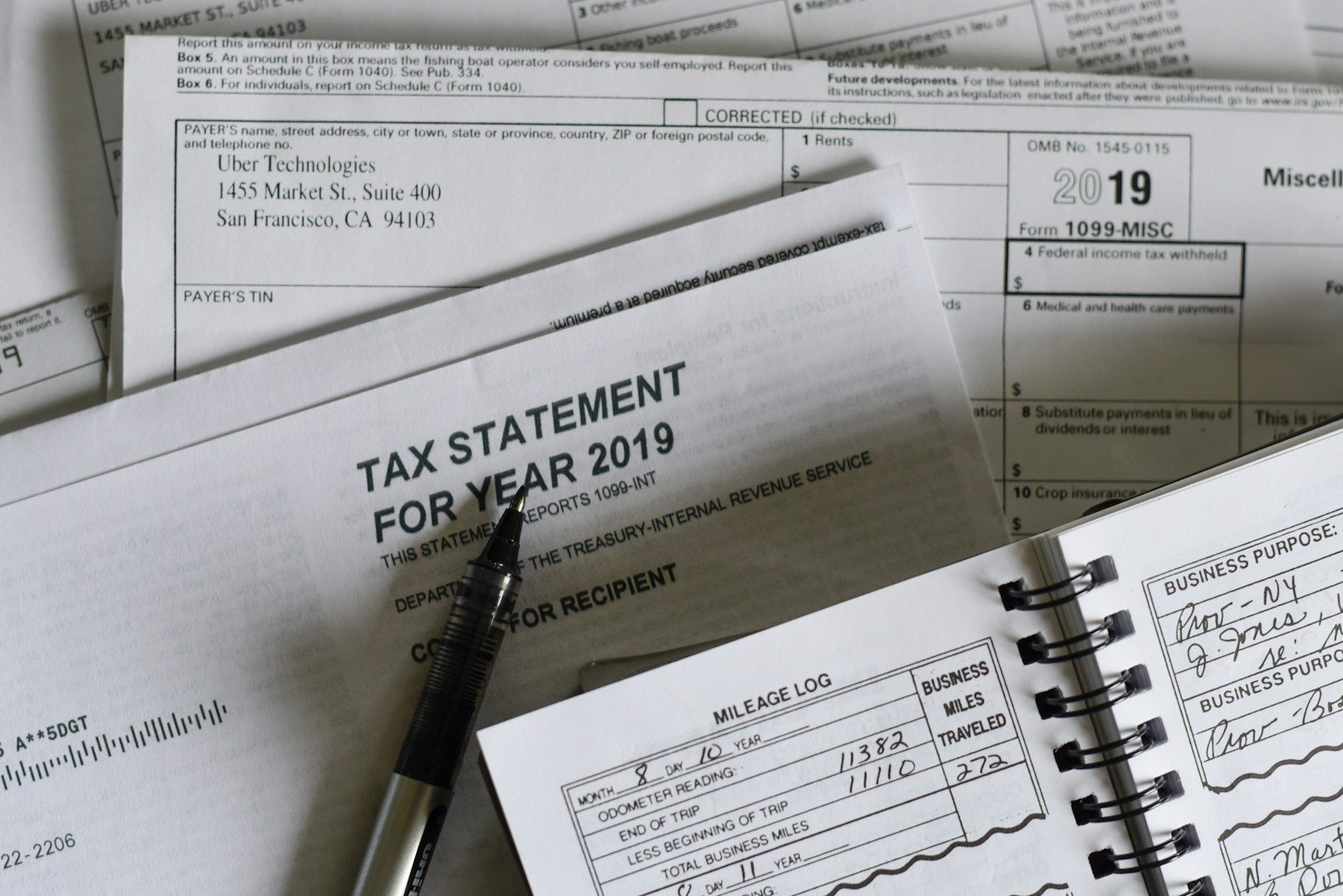
Tax professionals say the agency has effectively entered a new phase of enforcement. At the same time, concerns are growing that workforce reductions could lead to a greater reliance on automated tax lien filings with less individual case review.
According to IRS data, approximately 214,000 federal tax lien notices were issued during fiscal year 2025 (October 2024 through September 2025), a 9% increase from the previous fiscal year and a 36% increase compared with fiscal year 2022. Over the same period, levy notices sent to third parties—including banks—to collect unpaid taxes also increased from 313,792 in fiscal year 2024 to 339,137 in fiscal year 2025.
Certified public accountant Chanseok Kim, based in Irvine, explained that a federal tax lien is a legal claim that gives the government priority over a taxpayer’s property, including real estate, bank accounts, investment assets, and business interests.
“A tax lien becomes part of the public record once it is filed,” Kim said. “Financial institutions, employers, and other parties can access that information.”
IRS Tax Lien Can Affect Loans and Employment
Experts warn that a tax lien can make it significantly more difficult to obtain a mortgage, refinance an existing home loan, or secure financing for a business.
Former National Taxpayer Advocate Nina Olson, now executive director of the Center for Taxpayer Rights, told CNBC that a tax lien can be “devastating” for many taxpayers because lenders typically view the IRS as the highest-priority creditor.
Professionals also note that employers may discover tax liens during background checks. In industries requiring security clearances—such as government agencies, financial institutions, or defense contractors—a recorded tax lien could negatively affect employment or even jeopardize an employee’s position.
Workforce Cuts Raise Automation Concerns
While tax lien filings are increasing, the IRS workforce has declined substantially.
According to the National Taxpayer Advocate’s annual report to Congress, IRS staffing dropped from approximately 102,000 employees in early 2025 to about 74,000 during the 2026 tax filing season—a reduction of roughly 27%.
Olson warned that the loss of experienced personnel may result in more automated lien decisions without sufficient consideration of individual circumstances.
“In the past, IRS employees evaluated whether a lien should be filed on a case-by-case basis,” Olson said. “Today, taxpayers with unpaid tax balances exceeding $10,000 are much more likely to have a lien filed automatically.”
Not Every Tax Debt Is Intentional
Tax experts emphasize that not all unpaid tax liabilities result from deliberate tax avoidance.
Some low-income families may unexpectedly owe thousands of dollars after the IRS determines they were ineligible for refundable tax credits such as the Child Tax Credit or the Earned Income Tax Credit (EITC). For example, if a child did not meet the IRS residency requirements during the tax year, previously received credits may have to be repaid.
Before filing a federal tax lien, the IRS generally sends multiple notices informing taxpayers of their outstanding balance.
Taxpayers who owe $50,000 or less and have filed all required tax returns may qualify for an installment agreement. Those facing significant financial hardship may also be eligible for an Offer in Compromise, which allows certain taxpayers to settle their tax debt for less than the full amount owed.
Experts stress that ignoring IRS notices only reduces the available options. Taxpayers who receive collection notices are encouraged to contact the IRS as soon as possible to discuss payment arrangements or other relief programs.