EV Range Anxiety Is Officially Outdated: Korean Cars Dominate Real-World Battery Test
If you’ve been holding off on buying an electric vehicle because you fear the battery will die after a few years, it’s time to rethink. Shocking new real-world data shows that EV battery degradation is significantly lower than most drivers fear—and Korean automakers are leading the pack by a landslide.
Swedish used-EV dealer Carla recently analyzed nearly 10,000 battery health diagnostics (9,954 cases to be exact) from electric vehicles produced since 2022. The test measured each car’s State of Health (SoH)—the remaining battery capacity compared to when it was brand new—after hitting the 62,000-mile mark.
The results? Every single top-three spot belonged to Korean auto manufacturers’ EVs powered by South Korean battery cells.
The Top Performers: Who Retained the Most Juice?
Top 5 EVs by Battery Health (After 62,000 Miles)
-
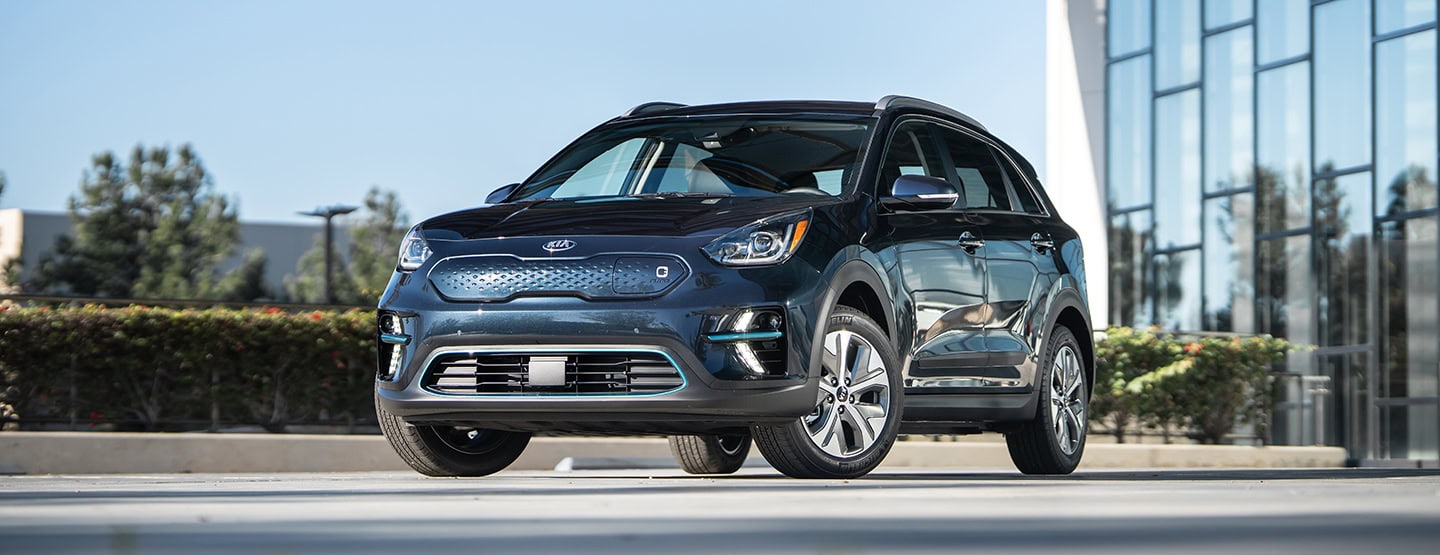
Kia Niro EV (64 kWh / SK On) – 97.25% SoH
-
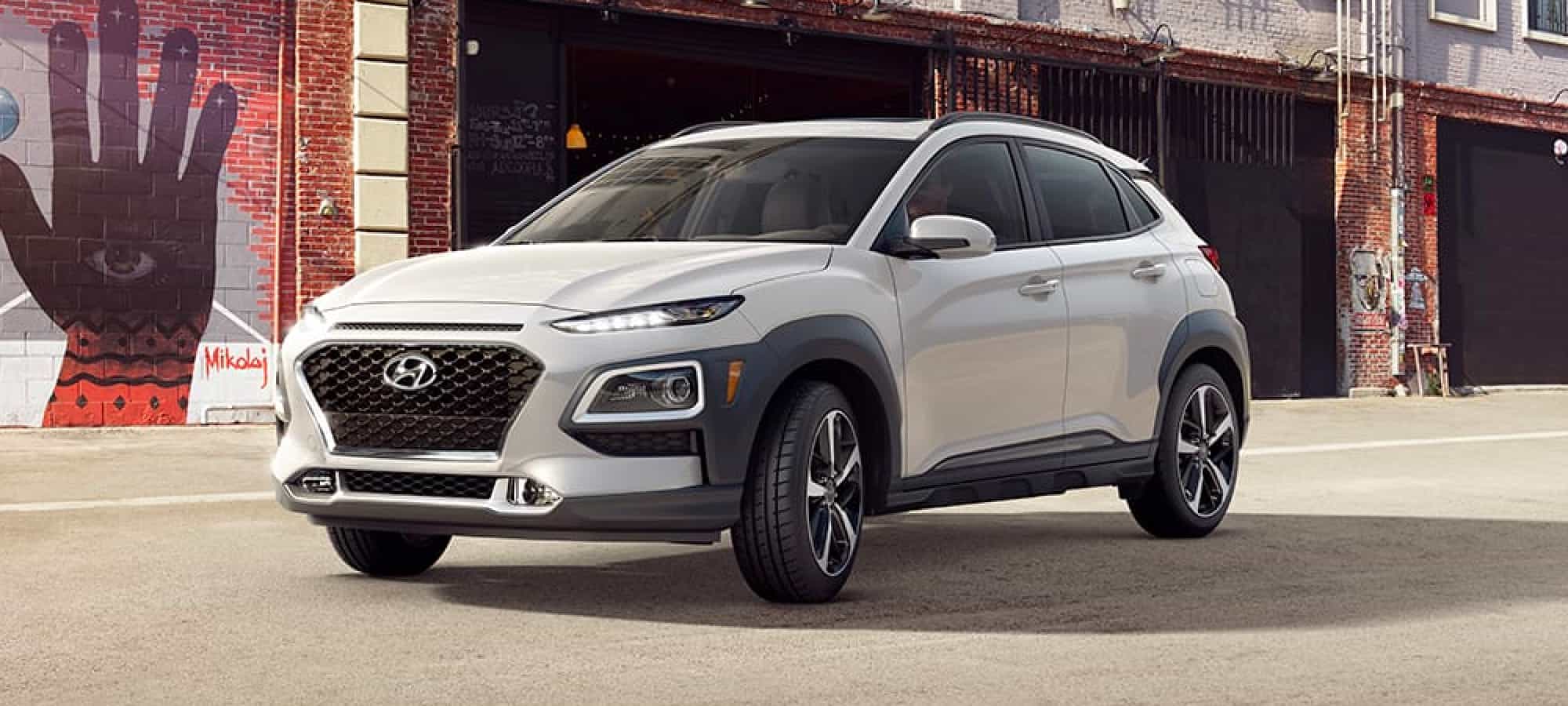
Hyundai Kona Electric (64 kWh / LG Energy Solution) – 97.18% SoH
-
Kia EV6 (77.4 kWh / SK On) – 95.95% SoH
-
Volvo XC40 Recharge (CATL) – 94.70% SoH
-
Polestar 2 (CATL) – 94.35% SoH
In fact, Korean auto brand models were the only vehicles to maintain over 95% battery health after 62,000 miles.
So, how did the fan favorites fare? Popular choices like Tesla lagged surprisingly behind. The Tesla Model 3 (60.5 kWh) landed in 8th place with a 93.34% SoH, while the Tesla Model Y (78.8 kWh) settled at 18th place with 92.18%. While legacy automakers like BMW, Audi, and Volkswagen all managed to stay above 90%, they couldn’t keep pace with Korea’s top performers.
Understanding Degradation: Why Your Battery Is Smarter Than You Think
Battery degradation happens when repeated charging cycles and internal chemical changes permanently reduce a battery’s maximum storage capacity over time. A 90% SoH simply means the car has lost 10% of its original factory range.
However, Carla’s study delivers a major takeaway for hesitant buyers: EV battery degradation is happening much slower than the internet wants you to believe. Most modern electric cars comfortably retain over 90% of their initial capacity even after high mileage, proving that buyer anxiety is largely exaggerated.
Interestingly, battery chemistry matters just as much as the brand logo on the hood. For instance, Tesla Model 3 units equipped with CATL’s LFP (Lithium Iron Phosphate) batteries averaged a 93.3% SoH, outperforming versions with LG Energy Solution (91.5%) and Panasonic cells (88–90%). LFP batteries may be heavier and offer lower energy density, but their stability and durability explain why so many automakers are switching to them.
The Bottom Line for EV Buyers
Whether you are looking to buy new or dive into the booming used electric car market, this latest benchmark proves today’s battery packs are built for the long haul.