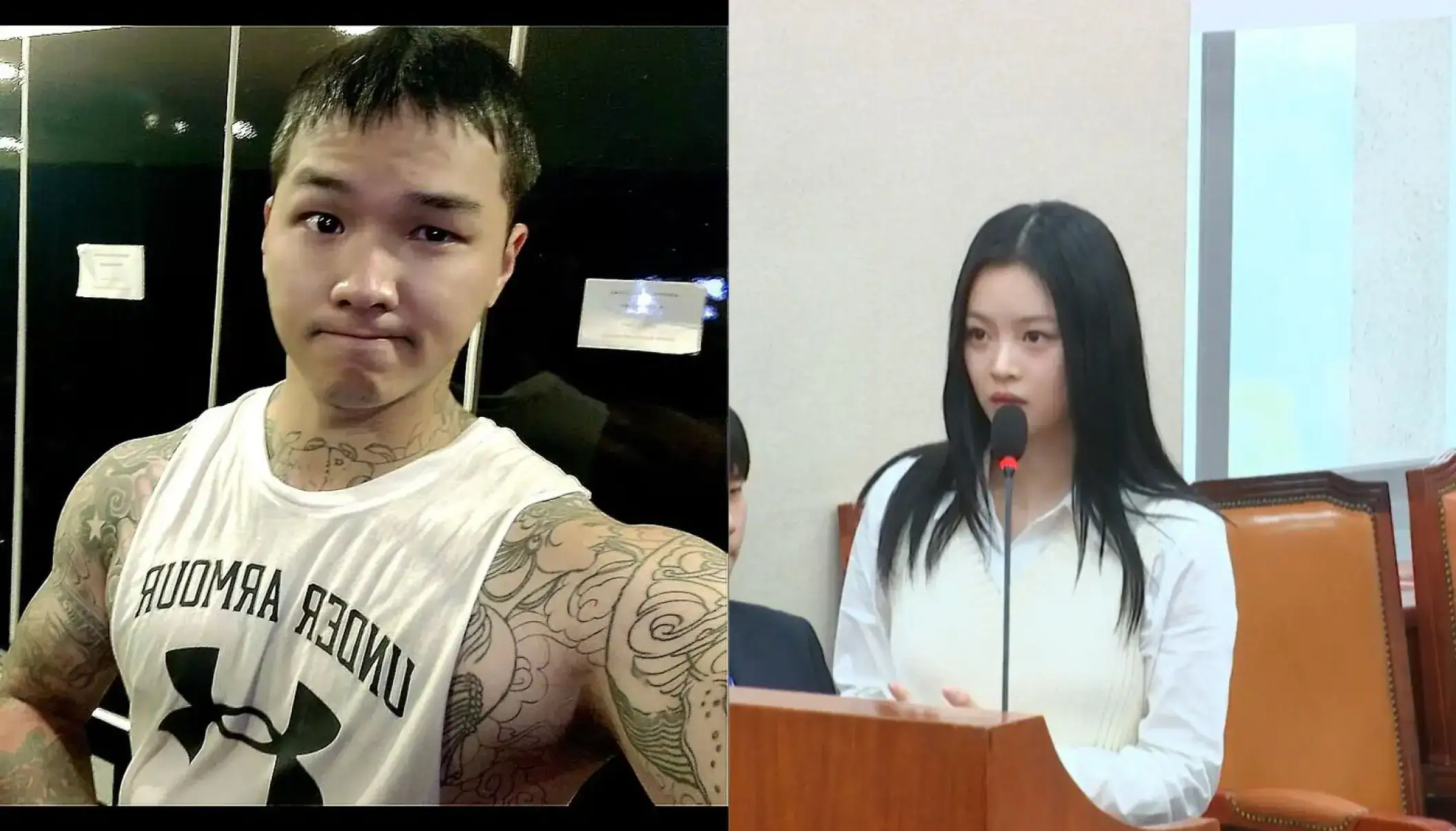
An unprecedented effort to establish South Korea’s first labor union for K-pop performers has officially ended in failure.
On May 13, 2026, former Teen Top leader Bang Min-soo (known as C.A.P.) withdrew his registration application filed with the Ministry of Employment and Labor. The withdrawal came nine months after its initial proposal, as the organization managed to register only two official members.
First K-Pop Idol Union Attempt Collapses: Key Case Facts & Milestones
The initiative began in September 2025 to secure foundational protections for idols, including minimum livelihood guarantees and enrolment in Korea’s four major social insurance programs.
| Initiative Parameter | Details & Key Findings |
| Primary Organizer | Bang Min-soo (Former Teen Top member C.A.P.) |
| Target Agency Office | Seongnam Branch of Ministry of Employment and Labor |
| Initial Interested Members | ~10 idols |
| Final Registered Members | 2 members |
| Filing Date | September 2025 |
| Withdrawal Date | May 13, 2026 |
Despite initial verbal interest from approximately ten performers, official filings submitted to labor authorities listed just two members. Authorities requested documentation corrections four times before the proposal was retracted.
Industry Fear and Legal Hurdles for Performing Artists
The collapse highlights the complex legal and structural hurdles K-pop artists face when trying to organize collectively.
[Key Legal & Structural Challenges in K-Pop Unionization]
├── Contractual Status: Artists are classified as independent contractors, not traditional employees
├── Agency Retaliation Fears: Active idols hesitate to risk agency relationships
└── Trainee Debt Structure: Trainee costs billed post-debut create personal financial strain
Under Korean law, idols sign exclusive agency contracts dividing revenue rather than earning standard employee wages. This dynamic was highlighted in 2024 when labor authorities determined that NewJeans member Hanni did not qualify as a worker under the Labor Standards Act during a workplace harassment review.
What Lies Ahead for K-Pop Artist Protections
Industry experts note that while Supreme Court rulings allow broadcast performers to organize under general union laws, the power imbalance between artists and entertainment agencies deters active idols from joining.
“Problems arose over differences in values among members. There are practical limits stemming from the nature of the job, including whether active idols could risk worsening their relationships with agencies.”
— Statement regarding the union withdrawal
As news that the First K-Pop Idol Union Attempt Collapses reverberates through the entertainment sector, lawmakers and industry advocates continue to debate fair contracting and protections for young performers.