Consumers Use BNPL for Rent, Utilities and Medical Bills
Experts Warn Growing Reliance Could Fuel Household Debt
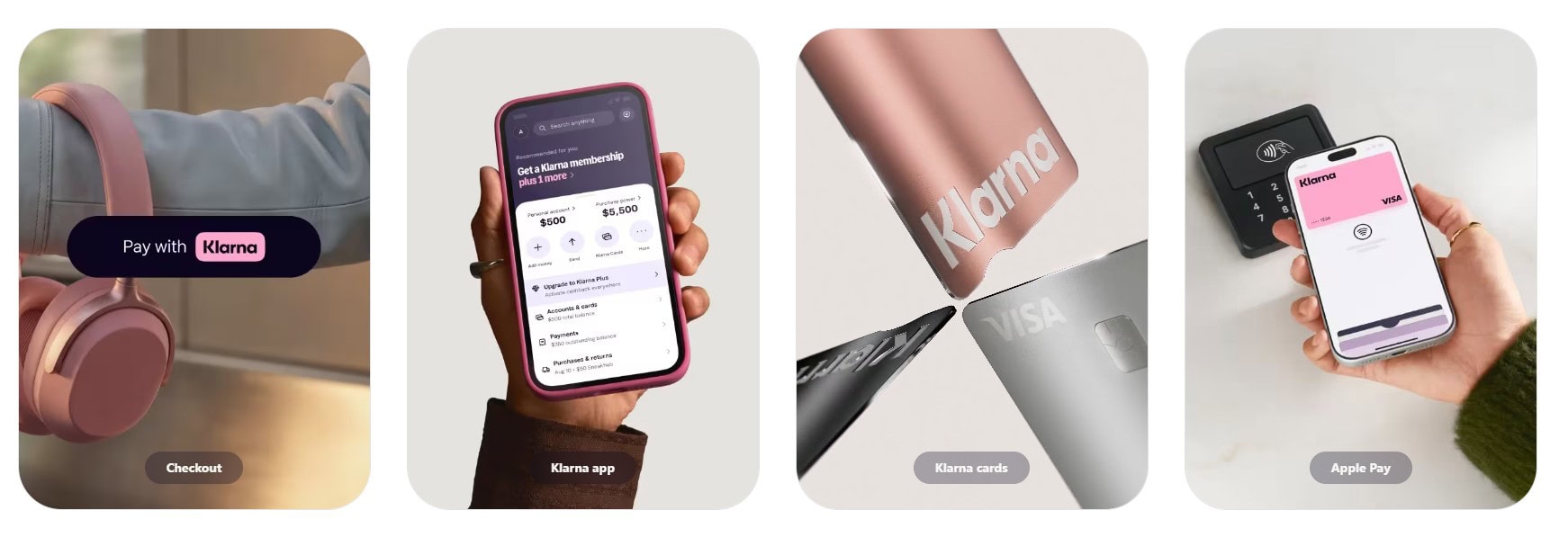
Buy Now, Pay Later (BNPL) services, once primarily used for online shopping, are increasingly being used to cover essential living expenses such as rent, utility bills and medical costs.
While the industry promotes BNPL as a flexible financial tool that helps consumers manage short-term cash shortages, financial experts warn that relying on deferred-payment loans for basic necessities could deepen household debt and create long-term financial problems, particularly for lower- and middle-income families.
According to KTLA, BNPL providers have recently expanded their short-term financing options to include rent, electricity, gas, water bills and healthcare expenses, reflecting a significant shift in how the services are being used.
Traditionally, BNPL allowed consumers to purchase items such as clothing or electronics and repay the balance in several installments, often without interest if payments were made on time. The convenience and low upfront cost helped fuel rapid growth, particularly among younger shoppers.
Today, however, the market is evolving as more households struggle to keep pace with rising living costs. With many Americans living paycheck to paycheck, BNPL companies are increasingly marketing their products as a way to bridge temporary cash-flow gaps for essential expenses rather than discretionary purchases.
Healthcare providers are also adopting the payment option, allowing patients to split medical bills into installments through BNPL services. Industry analysts have described the trend as turning BNPL into “working capital for the modern middle class.”
Consumer advocates, however, say using credit to pay recurring household expenses is fundamentally different from financing occasional retail purchases.
Although most BNPL loans do not charge interest when repaid on schedule, missed payments can trigger late fees, interest charges, lower credit scores and even bank overdraft fees. For households already struggling to make ends meet, those additional costs can quickly snowball into a cycle of debt.
Financial experts say the risk is especially high for families that spend nearly all of each paycheck on monthly necessities. When recurring bills such as rent and utilities are financed with short-term loans, borrowers may find themselves taking on new debt simply to repay previous obligations.
The BNPL industry has expanded rapidly in recent years. Last year alone, Americans used BNPL services for approximately $160 billion in transactions, nearly double the volume recorded just two years earlier.
Experts say BNPL can be a useful tool for managing temporary financial shortfalls, but they caution that it should not become a permanent solution for paying routine living expenses. As inflation and housing costs continue to strain household budgets, they warn that greater reliance on deferred-payment financing could leave many families trapped in an increasingly difficult cycle of debt.