Are You Being Watched? How Workplace Surveillance Tools Are Silently Bossing You Around
If you think your home office or cubicle is a private sanctuary, it might be time for a reality check. As reported by KTLA via the Associated Press, workplace surveillance tools have rapidly expanded into everyday corporate tech, allowing employers to track your physical location, monitor task speed, and even tap into work-issued laptop cameras. What used to be simple clock-in systems has morphed into sophisticated, AI-driven data collection.
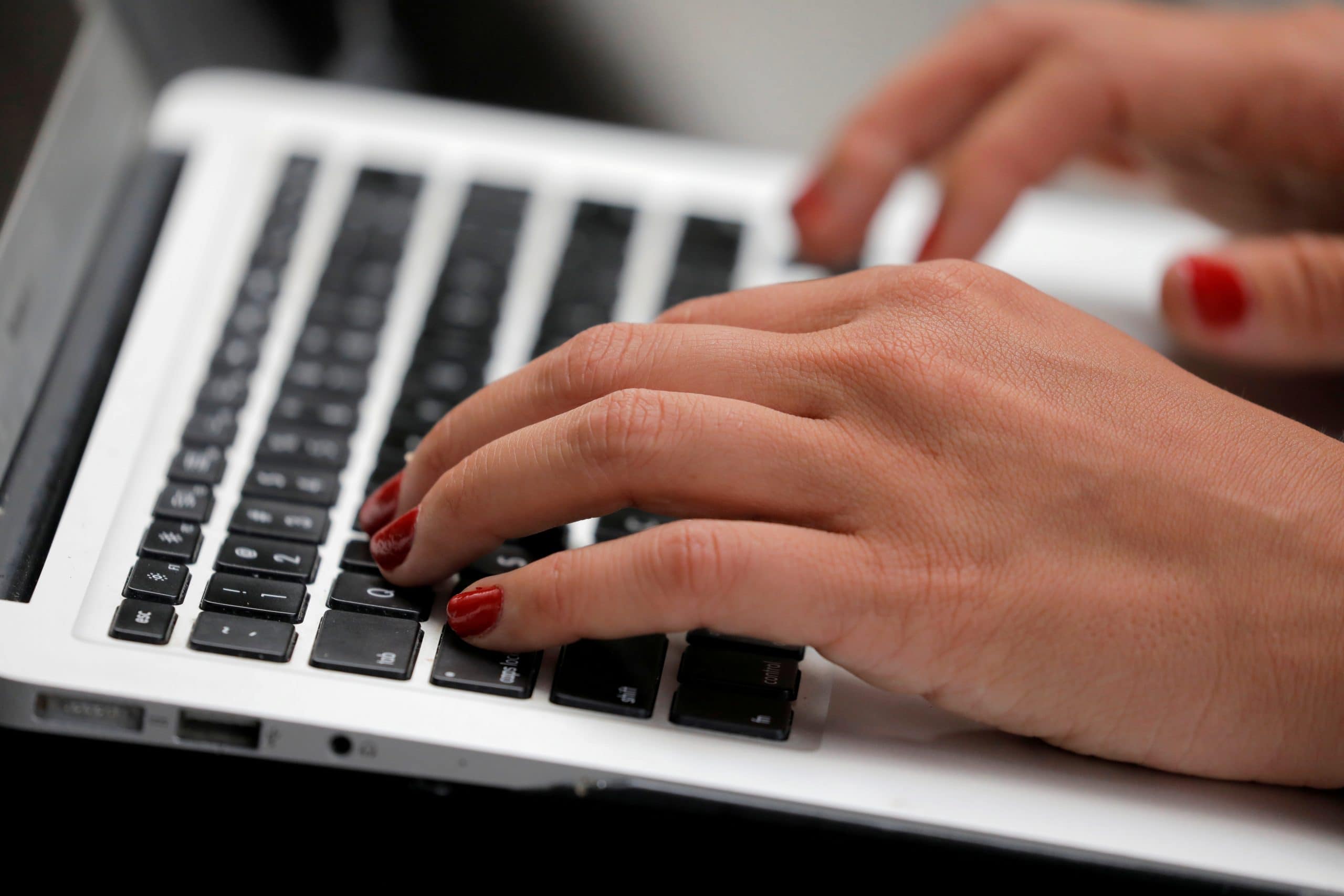
“Oftentimes, the workers with the least amount of power in the labor markets tend to be testing grounds for some of the more intrusive forms of data collection,” warns Wilneida Negrón, director of research and policy at the worker advocacy group Coworker.
From Call Timers to Private Essay Reading
The reach of workplace surveillance tools goes far beyond basic time management. Recent investigations by Vanderbilt, Northeastern, and UC Berkeley revealed that widely used monitoring software programs have routinely shared employee names, emails, and sensitive activity data with hundreds of third-party data brokers—often without clear disclosure.
The real-world consequences for workers are already making waves:
-
The Pharmacist: A clinical pharmacist had her appointments micro-timed and call durations tracked, despite treating complex patients who required foreign language interpreters. The relentless pressure eventually led to severe burnout and job loss.
-
The College Educator: An adjunct writing professor discovered administrators were secretly using the school’s learning software to read private student essays and her personal feedback, later using her informal tone against her during contract renewals.
Standard work software like Zoom and Microsoft Office come equipped with built-in activity tracking features that employers can toggle on behind the scenes, leaving many workers completely unaware that their every keystroke is being analyzed.
How to Guard Your Privacy on the Job
Navigating workplace surveillance tools requires a proactive approach to protecting your digital footprint. Privacy experts recommend three essential defense strategies:
-
Separate Work from Personal Life: Never conduct personal business, manage medical records, or log into personal banking on work-issued laptops or smartphones.
-
Know Your Local Laws: States like New York, Connecticut, Delaware, and Maine require clear notification before employers can monitor workers. Maine even restricts visual surveillance in an employee’s home unless explicitly required by job duties.
-
Ask Smart Questions: Curious if tracking software is active? Ask your IT department or manager directly: “How is this system data being used, and who outside the company has access to it?”
If tracking practices feel invasive, organizing with colleagues to request transparent data policies is often the safest path forward. When it comes to company hardware, always operate under one golden rule: assume someone is watching.