Los Angeles Housing Construction Bounces Back from Historic Lows
Residential construction in Los Angeles is showing signs of recovery after a severe slump.
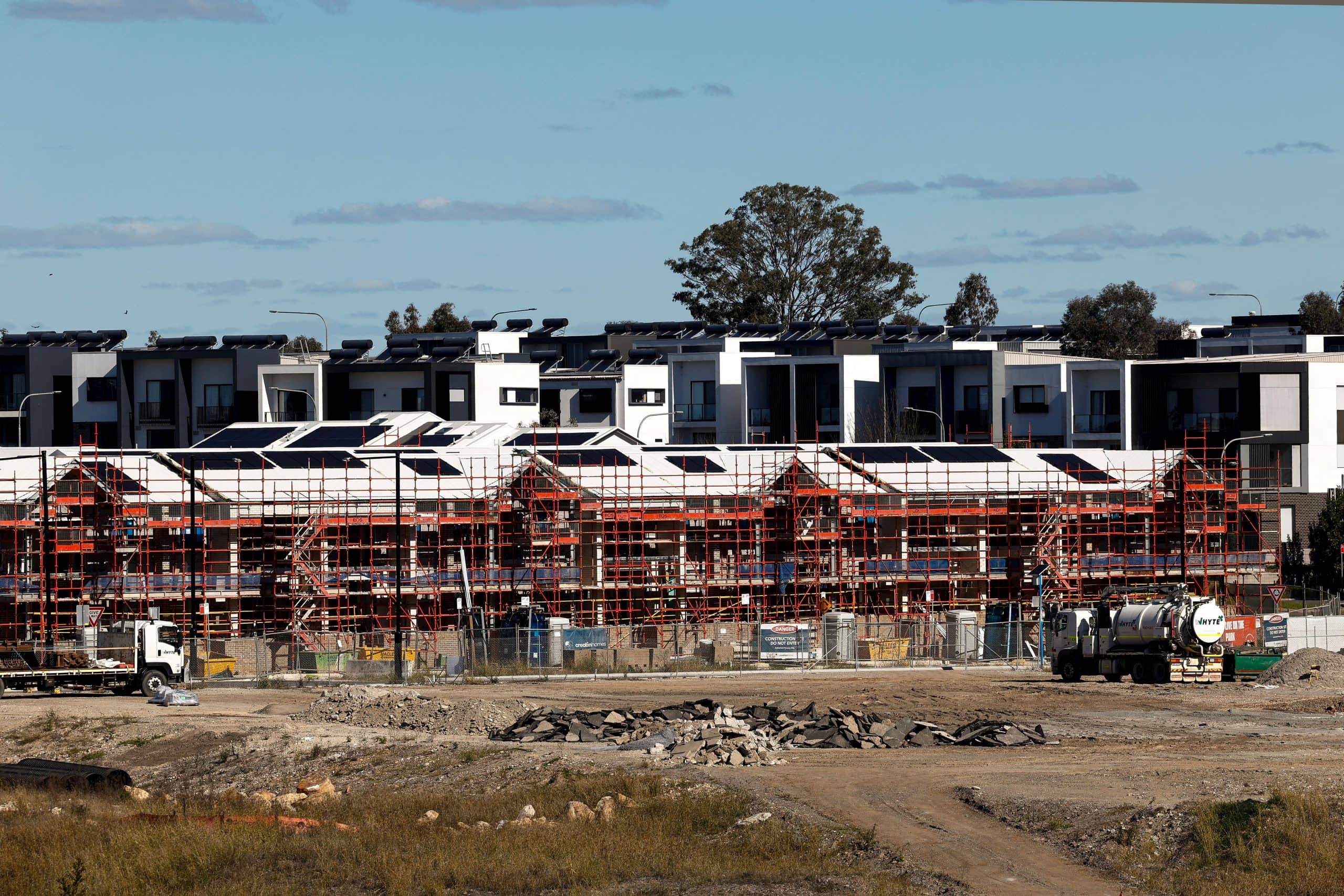
According to real estate publication Urbanize LA, an analysis of City of Los Angeles building permits conducted by Hilgard Economics revealed that new residential permits exceeded 8,800 units during the first half of 2026. This represents nearly a threefold increase compared to the same period in the previous year.
The total volume of permits issued in the first six months of 2026 has already surpassed the city’s full-year output for 2025, which saw only around 8,700 residential units approved.
Factors Behind the Rebound: Low Baselines and Wildfire Recovery
Despite the surge in approvals, real estate analysts warn against interpreting the data as a full market normalization.
Joshua Baum, founder of Hilgard Economics, pointed out that permitting numbers in early 2025 were unusually low due to major January wildfires. Consequently, the sharp year-over-year growth rate is partly driven by last year’s depressed baseline alongside emerging wildfire recovery projects.
Furthermore, despite the recent uptick, overall production remains insufficient to resolve Los Angeles’ long-standing housing shortage.
“Even with this year’s rebound, housing production remains well below the level needed to meaningfully address Los Angeles County’s longstanding housing shortage,” Baum noted in the report. He emphasized that sustained construction across a broad range of price tiers will be necessary to improve affordability, accommodate future population and employment growth, and relieve upward pressure on long-term housing costs.
Elevating Housing Overhead Keeps Pressure on Residents
Housing affordability across Los Angeles County continues to face upward pressure. In June, the countywide median rent rose to $2,692 per month, while the median price for a single-family home stood at $910,370.
While supply indicators are moving in a positive direction, industry observers note that it will take considerable time before expanded permitting activity translates into tangible price stabilization for average households. Moving forward, the key challenge lies in converting permit approvals into active groundbreakings and completed homes to maintain long-term supply expansion.