Step Aside, Espresso: Why Gen Z is Obsessed with LA Modern Tea Houses
If you think youth culture revolves strictly around high-voltage cold brews and energy drinks, think again. A quiet revolution is brewing across Southern California, where LA modern tea houses are fast replacing traditional coffee shops and noisy bars as the go-to hangouts for Gen Z and Millennials. What began as a obsession with iced matcha and bubble tea has officially expanded into a deep dive through roasted hojicha, aromatic oolong, floral jasmine, and deeply comforting traditional Korean herbal brews.
Koreatown Leading the Leaf Revolution
At the epicenter of this shift is Koreatown, where local spots are reimagining tea traditions with slick, contemporary flair.
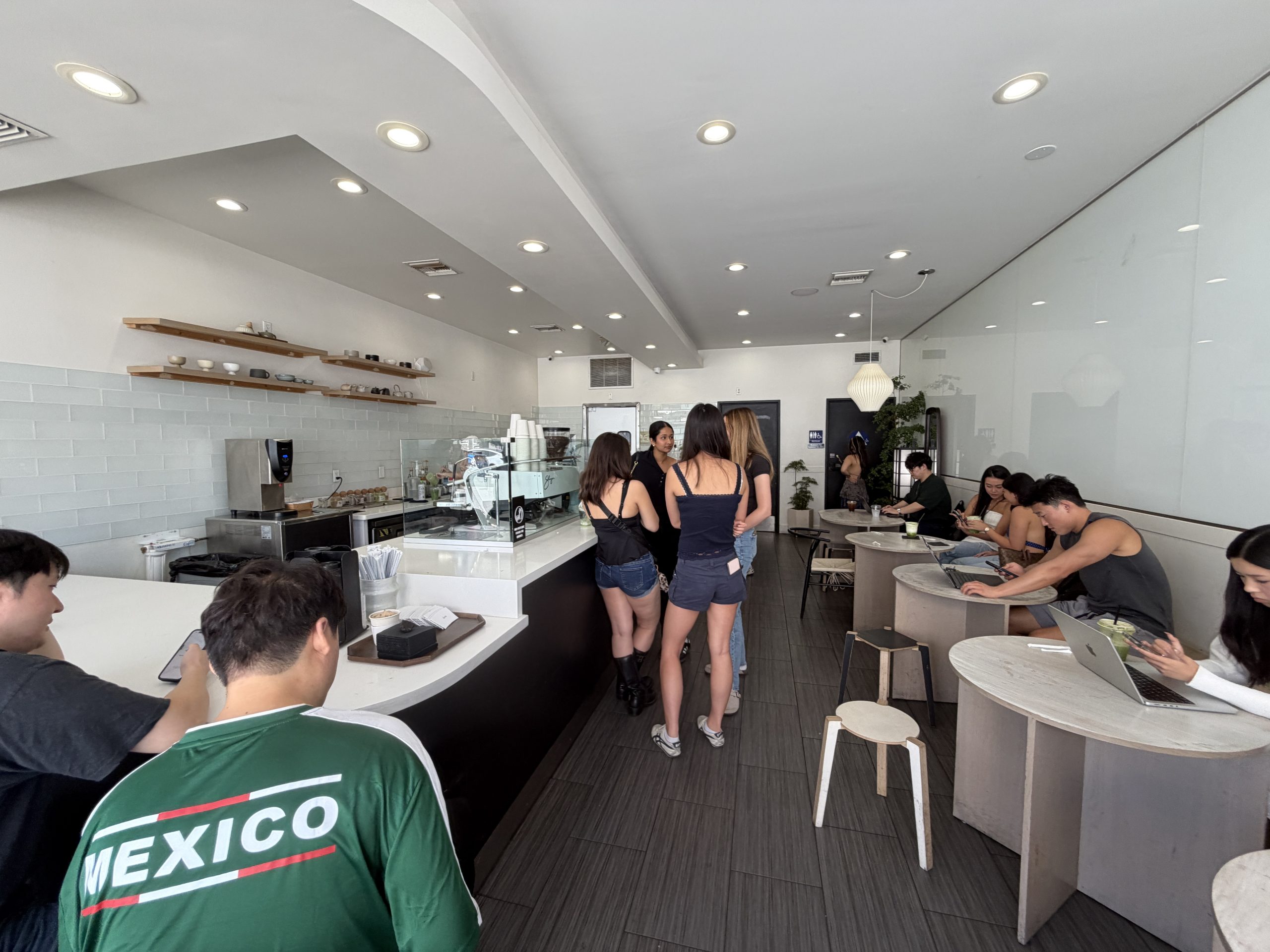
At DAMO, line-outs are common for their silky matcha and hojicha lattes, cream-topped einspanners, and artisanal loose-leaf pairings with traditional hangwa confections. Meanwhile, Cafe Loft offers a cozy sanctuary where young patrons can slow down.
“Younger customers are undeniably choosing tea over coffee right now,” shares Semi Choi, owner of Cafe Loft. “Around 80% of our Gen Z guests go straight for matcha, followed closely by hojicha. But traditional roasted mugwort tea (ssuk-cha) is becoming a massive hit among both local and non-Korean regulars, alongside fruit-infused blends like peach and mango.”
Taking herbal wellness a step further, Horang Tea House highlights wholesome Korean staples on its front menu, serving earthy infusions of Jerusalem artichoke, bitter melon, sword bean, and pumpkin-red bean.
Beyond the Mug: Unplugged Nightlife and Sober Social Spaces
Historically, tea culture in the U.S. lagged behind global standards, often confined to basic iced black tea. But as Eater LA recently highlighted, a surge in specialty tea imports over recent decades has coincided with a fundamental shift in how younger Americans consume beverages.
Today’s tea rooms are no longer just beverage pickup points—they are designed as intentional digital detox sanctuaries. By restricting laptops and banning loud alcohol-driven chaos, these spaces invite guests to unplug and connect.
Consider Tea at Shiloh, a reservation-only late-night tea speakeasy operating from 7 PM to 11 PM near Downtown LA. Guests kick off their shoes, sink into plush floor cushions, sip bottomless herbal infusions, and listen to live jazz. Founder Shiloh Enoki created the concept as a soulful alternative to late-night drinking culture. To keep screen time at bay, the ambient, softly lit tea house provides board games, modeling clay, and watercolor supplies to foster spontaneous conversation among strangers.
A Coast-to-Coast Movement
The appetite for authentic, slow-paced tea culture is sweeping the nation. In Chicago, the newly opened Han Cha—housed inside the historic Stony Island Arts Bank in collaboration with artist Theaster Gates—serves nine rare Asian teas (from Taiwanese black to Thai white teas) in a stylized high-tea format. Co-founder Haizi Black drew inspiration from traditional Korean tea houses of her youth, which served not just as places to drink, but as vital community hubs for human connection.
As wellness-conscious consumers continue to seek low-caffeine alternatives, distinct flavors, and serene spaces removed from noisy bars or crowded cafes, LA modern tea houses aren’t just a fleeting trend—they are redefining urban nightlife and daily rituals for good.