LA Koreatown Business Revival depends on turning thousands of new residents into loyal customers of Korean-owned businesses, according to local business and development experts.
Thousands of new housing units have been built across LA Koreatown. Although residential development has often been blamed for weakening the commercial district, experts now see it as an opportunity to cultivate a new customer base.
The key is persuading newcomers to regularly patronize Korean restaurants, stores and service businesses. As the neighborhood attracts more young adults and non-Korean residents, businesses must move beyond relying primarily on Korean customers and traditional dining.
Owners should identify the ages, occupations and daily schedules of nearby residents, then adjust their menus, operating hours and services accordingly. They should also look for practical services that residents need repeatedly.
Experts said Koreatown’s restaurants, cafés and stores must also be connected through walkable routes. The goal is to create a neighborhood where visitors can eat at one business, walk to a café or store and spend more time in the area.
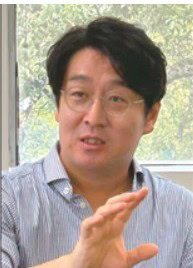
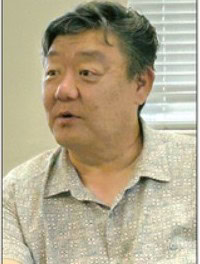
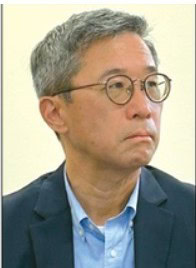
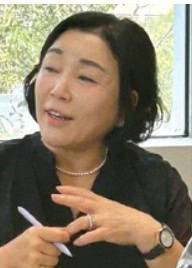
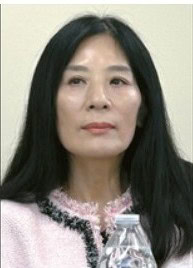
The Korea Daily convened a roundtable titled “Korean Businesses at a Crossroads.” Participants included Sean Mo, co-founder of Andmore Partners; Albert Chang, partner at Kim & Lee CPAs; Joanne Lee, CEO of Kabuki Group; David Kim, chief banking officer at PCB Bank; and Kathy Lee, an agent with Dream Realty.
LA Koreatown Business Revival Starts With New Residents
Q: How can businesses turn thousands of new residents into loyal customers?
Sean Mo: The number of people who have moved into the neighborhood is comparable to the population of a small city. If the commercial district is still struggling despite that residential growth, it means existing businesses have failed to capture the spending of those new residents. We need businesses and public spaces that people living in new apartment buildings can reach on foot and enjoy spending time in.
Joanne Lee: The increase in housing is an exceptional opportunity to revive the commercial district. Business owners must first understand who lives around their stores. They need to identify residents’ ages, occupations and commuting schedules, then provide products and services that meet their needs.
If many residents are young, businesses should adapt not only their menus but also their operating hours and ordering and pickup options. Late-night pickup, unattended order collection and small-scale cleaning services could all become viable businesses. Instead of simply following trends, owners should focus on services that residents will use regularly in their daily lives.
Q: What must change to attract younger and non-Korean customers?
Sean Mo: Non-Korean customers often ask for recommendations for well-known Korean restaurants and cafés. Asian American business organizations also want to hold events in Koreatown. Interest in Koreatown has not disappeared. The challenge is converting that interest into revenue for Korean-owned businesses.
Joanne Lee: When customers change, the way businesses sell to them must change as well. Younger consumers may buy dessert or drinks first and choose a restaurant afterward. Owners need to observe what new residents eat and where they spend their time. Businesses cannot continue operating around old consumer habits and simply wait for customers to arrive.
Albert Chang: Thirty years ago, a Korean company such as Olive Young probably would have considered Koreatown first when entering the U.S. market. Today, K-beauty companies target the mainstream market from the beginning. Korean-owned businesses must also move beyond the idea of serving only Korean customers and develop their businesses with the broader market in mind.
Kathy Lee: Young customers take photos inside businesses and post them on social media, inspiring others to visit. Businesses need visually appealing spaces and signature products that customers will immediately associate with their brand.
Q: How can Koreatown become a walkable destination where people stay longer?
Sean Mo: Koreatown has wide streets and remains heavily car-oriented, leaving its commercial areas disconnected. Customers often visit one restaurant and then drive away. Koreatown needs to connect parking, sidewalks, stores and public gathering spaces, as Little Tokyo, Pasadena and Glendale have done.
We should also examine how development impact fees paid to the city by new developers are being used. The city and property owners must work together on cleanliness, safety and maintenance. People will walk around and spend money at nearby businesses only when the surrounding environment feels clean and safe.
Joanne Lee: Customers today may eat at Gavi, have dessert at Bumsan and then walk to another restaurant or bar on 6th Street. The problem is not a lack of businesses. It is that those businesses remain disconnected from one another.
Business owners and landlords can begin by keeping storefronts clean and safe and improving lighting, sidewalks and signs. They should also ask the city to provide street trees, shade, cleaning services and safety infrastructure. The process can start by connecting one block at a time.
Q: What support is needed beyond changes by individual businesses?
Albert Chang: The way businesses are launched has changed. Next-generation startups use venture capital as well as bank loans to grow. Business assistance must expand beyond conventional lending to include investment and business-model development.
David Kim: Community banks understand the circumstances of local business owners. In addition to SBA and commercial loans, they can provide guidance on cash-flow management. Before opening a business, an entrepreneur should determine whether the business model can realistically generate a profit.
Kathy Lee: Korean culture’s global popularity represents a major opportunity for the Korean business community. However, people and organizations are needed to lead that effort. Community events must also evolve so young adults and neighborhood residents can participate directly and engage through social media.
Q: How should the Korean business community be defined today?
Albert Chang: It is difficult to define the Korean business community solely by geographic boundaries such as Wilshire Boulevard and Olympic Boulevard. Koreatown still needs a museum or cultural center that represents its identity, but the era when every property and business had to be Korean-owned for the area to qualify as a Korean commercial district has passed.
The spread of K-pop and K-beauty creates an opportunity to connect younger Korean Americans, who take pride in their heritage, with the Korean economic community.
Sean Mo: Koreatown needs recognizable landmarks and symbols of Korean culture. However, there is no reason every business owner or customer must be Korean. The neighborhood should become a place where people of all backgrounds can experience and consume Korean culture. Interest from outside entrepreneurs and visitors must be converted into commercial growth.
Joanne Lee: Korean entrepreneurs who succeed outside Koreatown are also members of the Korean economic community. What matters is not their address or the ethnicity of their customers.
To preserve the neighborhood built by first-generation Korean immigrants, existing businesses must first earn the support of the people who live there today. Korean entrepreneurs and younger generations must be connected so their success can contribute to the community’s broader growth.
Ultimately, LA Koreatown Business Revival will require businesses to understand their new neighbors, reach mainstream consumers and transform the district into a cleaner, safer and more walkable destination.
By Eunyoung Lee