
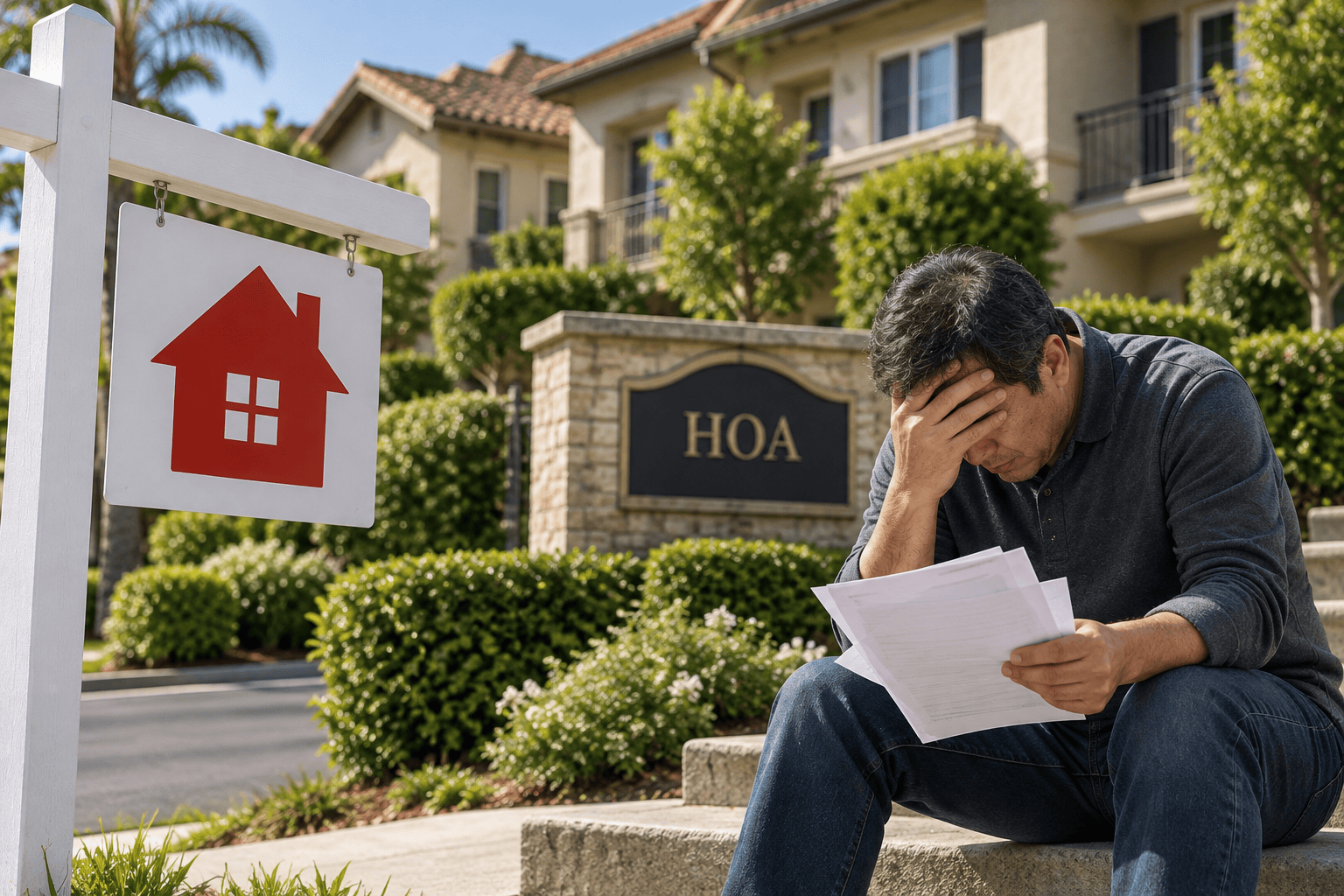
6,376 properties face action in first quarter, up 40% in two years
Rising insurance and repair costs squeeze HOA finances
Homeowners may face foreclosure even if mortgage is current
Homeowners associations across the country are taking increasingly aggressive action against residents who fall behind on HOA dues as the associations themselves face mounting financial pressure.
In the past, HOAs overseeing condominiums, townhomes and other communities often gave delinquent homeowners additional time to pay or tried to resolve overdue accounts informally. Increasingly, however, associations are turning delinquent accounts over to attorneys more quickly, and in serious cases, initiating foreclosure proceedings.
According to a recent analysis by real estate data firm Attom, 6,376 properties were involved in HOA-related foreclosure activity during the first quarter of this year. The figure includes properties at various stages, from an initial notice of default to a completed foreclosure sale.
That represents an increase of about 40% from two years earlier. HOA-related foreclosure activity is also rising much faster than conventional mortgage foreclosures.
HOAs rely primarily on monthly dues and special assessments paid by homeowners to cover operating expenses and maintain common areas. When one homeowner stops paying, the financial burden can ultimately fall on other residents.
Delinquencies, however, are only part of the problem.
HOAs are already struggling with higher labor costs, landscaping expenses and construction-material prices. Insurance has become another major burden. According to the Foundation for Community Association Research, 91% of HOAs experienced increases in master policy premiums between 2024 and early 2025, while 17% reported that their premiums had more than doubled.
The cost of major repairs, including roof replacements and other building work, has also climbed sharply. Reserve funds that may have appeared adequate several years ago are no longer sufficient to cover today’s costs, leaving some associations with depleted financial cushions.
As a result, cash-strapped HOAs have less flexibility to tolerate prolonged delinquencies.
At Fairview Condo I in Middle Island, New York, 15 of the community’s 202 units are currently behind on monthly HOA dues of $595. That leaves the association short by roughly $8,900 every month, far exceeding the delinquency level its board had anticipated in its budget.
Ten of those 15 delinquent units are now in foreclosure proceedings.
Rather than dipping into its reserves to cover the shortfall, the association has opted to cut expenses. Routine maintenance projects, including exterior building cleaning and landscaping work, have been postponed.
For homeowners, the consequences of falling behind on HOA dues can be much more serious than late fees or collection notices.
In many states, an HOA can place a lien on a property for unpaid assessments and, when permitted under state law and association rules, ultimately pursue foreclosure. That means a homeowner who is current on mortgage payments could still face the loss of a home because of unpaid HOA dues.
The trend could create a vicious cycle for community associations. Rising insurance, labor and repair costs push HOA dues higher. Higher assessments may make it harder for some residents to pay, leading to more delinquencies. Those delinquencies, in turn, put additional financial pressure on associations and the homeowners who continue to pay on time.