
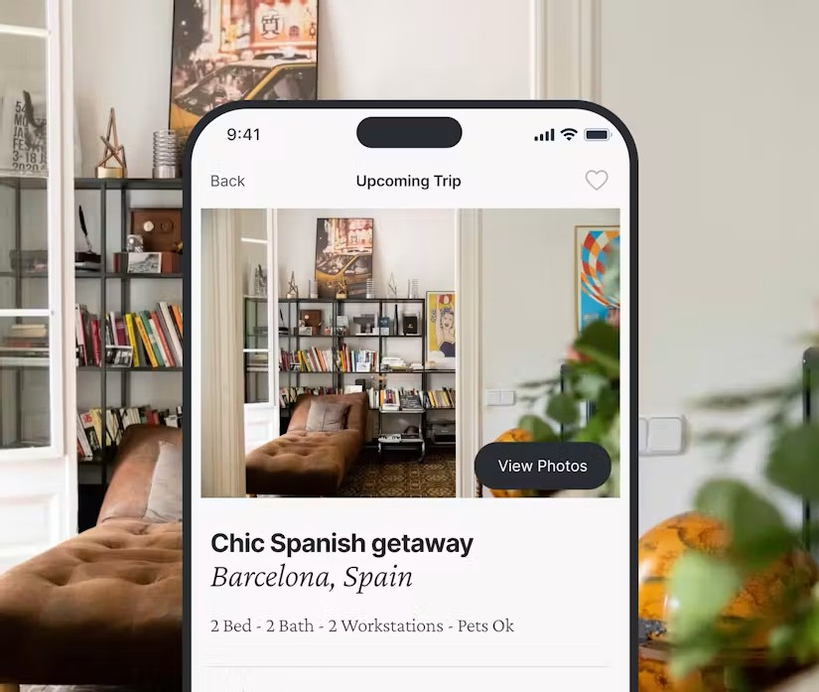
The Rise of the Home Swap Trend
As hotel and short-term rental prices continue to soar, the home swap trend is emerging as a popular travel alternative for cost-conscious explorers. Instead of traditional bookings, travelers offer their own homes to other members while away, earning credits to stay in residential properties across different cities. According to USA Today, platforms like Kindred allow members to earn one night of credit for every night they open their actual residence, regardless of home size or location.
How Home Swapping Platforms Work
Launched in 2022, Kindred has rapidly expanded to roughly 500,000 members across 150 cities worldwide. While direct simultaneous swaps between two members account for about 15% of total usage, the majority of users host guests while their home is vacant and save the earned credits for future trips. While the platform does not charge membership fees, users pay service and cleaning fees per trip, averaging around $200 for service and $300 for cleaning based on domestic stays. Travelers note that beyond saving money on pricey hotels, the biggest advantage is experiencing local neighborhood living and receiving personalized local recommendations directly from homeowners.
Pros, Cons, and Safety Considerations
Despite significant savings on travel budgets, home swapping comes with potential drawbacks. Finding available homes on desired dates can be difficult, and some travelers may feel uncomfortable staying in spaces containing another person’s personal belongings or missing standard hotel amenities. Safety and insurance are also key considerations; while platforms like Kindred provide identity verification and up to $100,000 in accidental damage protection, users must verify whether their personal homeowner or renter insurance covers guests. Industry experts predict that as high inflation continues to strain travel budgets, demand for the home swap lifestyle will remain strong.