LA Low-Income Housing Investment Overview
LA low-income housing projects are set to receive a massive boost as Los Angeles County injects $220 million to combat the region’s severe housing crisis. High land costs, soaring construction expenses, and funding shortages have long delayed numerous housing initiatives, but this new round of financial backing aims to accelerate construction across the board.
The Los Angeles County Affordable Housing Solutions Agency (LACAHSA) announced that this $220 million allocation represents its very first large-scale Social Bond program. Once all 20 targeted projects are completed, a total of 1,530 new housing units will be added, providing stable living spaces for more than 4,000 residents.
Target Demographics and Project Breakdown
The funded properties will primarily serve low-income families, seniors, and individuals experiencing homelessness, with a strong focus on extremely low-income households based on Area Median Income (AMI) levels. Claudia Lima, Chief Investment Strategist at LACAHSA, noted that housing shortages impact every income bracket, but the majority of these new units target those facing the most acute supply deficits.
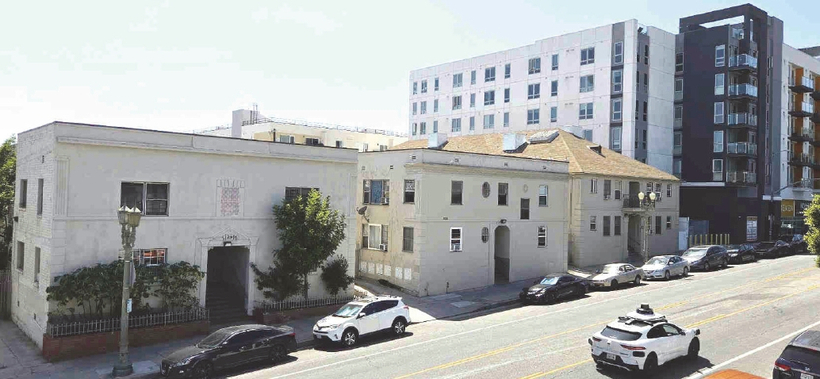
Out of the 20 approved projects, six involve acquiring and renovating existing multifamily rental properties, while the remainder focus on ground-up construction scheduled for completion within the next two to three years. Developers are receiving construction loans, grants, and subordinate debt ranging from $1 million to $32 million per project.
Funding Source and Future Outlook
The funding originates from ‘Measure A,’ a sales tax approved by LA County voters in 2024 that imposes a 0.5% countywide tax to fund affordable housing construction, homelessness services, and housing stabilization programs. Despite this $220 million infusion, the immense demand is highlighted by the fact that LACAHSA received applications totaling roughly $1.5 billion—about seven times the available funds—proving that while developers have ready projects, capital remains the primary bottleneck.