The Rise of Modern Tea Culture in South Korea
The South Korea tea trend is reshaping cafe culture as young adults increasingly choose specialty tea over coffee. According to OpenSurvey’s ‘Cafe Trend Report 2026’, 40% to 50% of women in their 20s and 30s express strong intent to continually use modern fresh tea brands like Heytea, Chagee, and ChaPanda, surpassing overall averages. Market data reflects this shift vividly: convenience store GS25 reported a 111% surge in milk tea sales during the first half of the year compared to the same period last year. Meanwhile, Starbucks noted a 20% jump in tea purchases by customers in their 20s, significantly outpacing the general 8% growth rate for tea beverages.
From Classic Bubble Tea to Premium Fresh Tea and Wellness
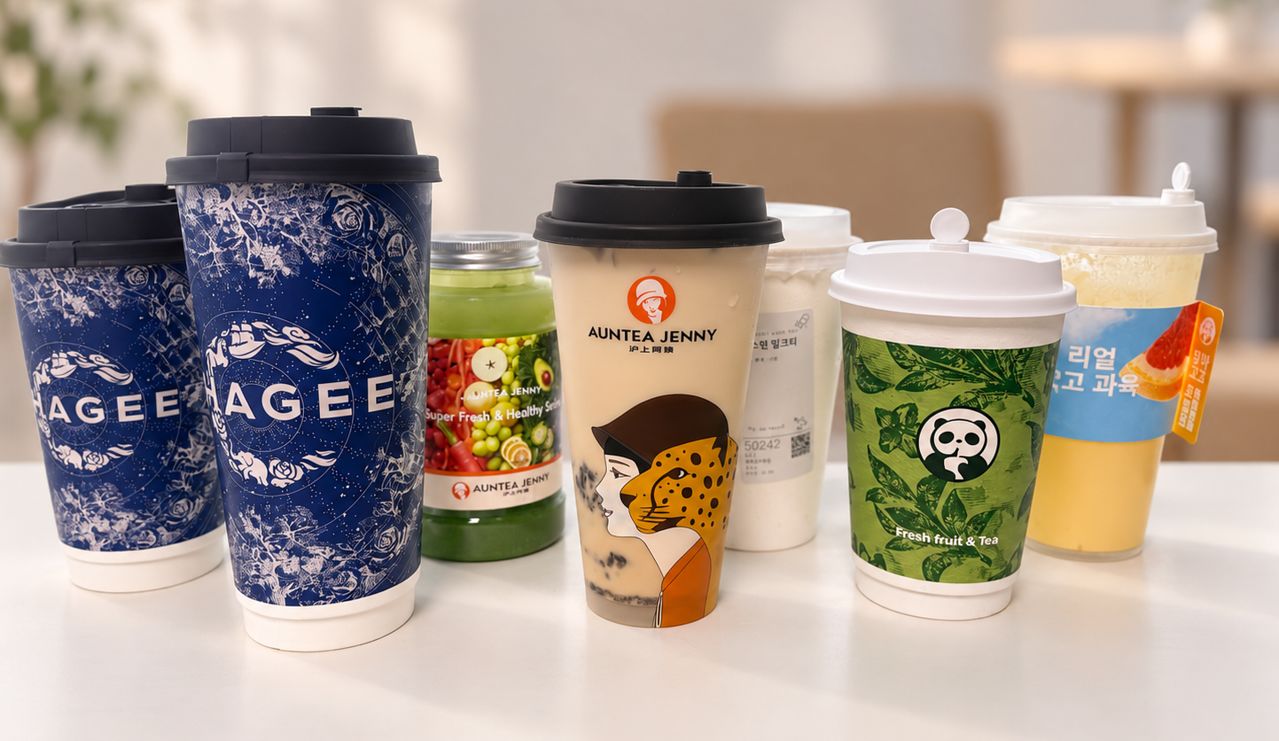
While traditional Taiwanese bubble tea introduced heavy sweetness and tapioca pearls to South Korea years ago, the latest wave of ‘fresh tea’ (Xinchayin) focuses heavily on authentic tea leaves, fresh fruits, and wellness ingredients. Brands are tailoring their menus to distinct preferences: Chagee emphasizes the aroma of tea bases like jasmine and oolong, ChaPanda incorporates fresh fruits and toppings, and Heytea blends real fruit with cheese foam. Additionally, brands like Auntie Jenny introduce health-conscious ingredients like kale and apples. Most of these premium beverages range from $3.50 to $5.50 USD, matching the price points of major coffee chains and signaling that tea is viewed as a luxurious, drinkable dessert rather than a cheap alternative.
Expanding Cafe Choices Without Abandoning Coffee
This evolving tea craze does not spell the end for coffee in South Korea. OpenSurvey data shows that usage rates for major coffee brands like Mega Coffee and Starbucks remain exceptionally high at 71.0% and 69.2%, respectively. In fact, 6 out of 10 specialty tea cafe users continue visiting traditional coffee shops while simply adding tea spots to their routine. Driven by social media exposure and global travel, South Korea’s 20 and 30-somethings are cementing specialty tea as a permanent, independent category in the local cafe landscape.