Lawsuits Mount Over GLP-1 Weight Loss Drugs and Vision Loss
Patients experiencing sudden blindness after using popular treatments are driving growing legal scrutiny, raising urgent questions about GLP-1 weight loss drugs vision loss risks and rare optic nerve disorders. According to local reporting by WSB-TV Channel 2 Action News, Ed Gillen—a father of four, Georgia highway worker, and softball coach—has filed a lawsuit against the pharmaceutical manufacturer after losing his eyesight following a year of using a GLP-1 receptor agonist for blood sugar management.
Gillen initially noticed minor floaters in his vision before waking up on a Saturday morning to a dark spot in his eye. Despite multiple doctor visits, his vision completely faded. Describing the terrifying ordeal, Gillen stated there were no warning signs or pain. He was diagnosed with Non-Arteritic Anterior Ischemic Optic Neuropathy (NAION), a condition where blood flow to the optic nerve becomes blocked, causing sudden vision reduction often referred to as an ‘eye stroke’ or ‘optic nerve stroke.’ Gillen noted he was aware of other potential side effects but had no warning regarding severe vision threats.
Previous Cases and Legal Proceedings
WSB-TV also highlighted the case of Diane Worth, a Georgia woman who filed a similar lawsuit after claiming she suffered legal blindness in one eye just weeks after starting a GLP-1 prescription. Worth stated she would have never used the medication had she known about the potential risk of permanent vision impairment. The lawsuits involving Gillen, Worth, and similar plaintiffs are slated for proceedings in Philadelphia courts, with legal counsel arguing that manufacturers failed to adequately warn consumers about these rare yet devastating adverse events.
Manufacturer Response and FDA Investigation
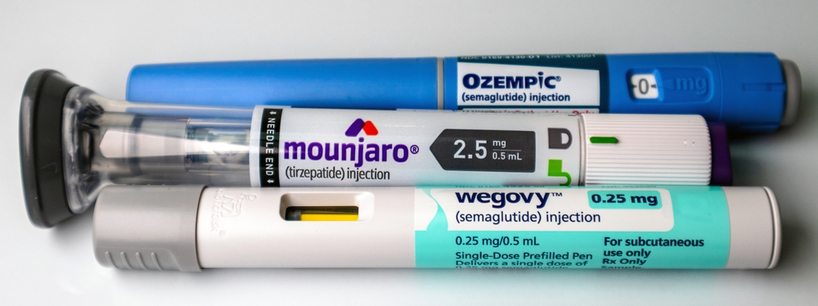
In response to the mounting legal claims, GLP-1 manufacturer Novo Nordisk has disputed the accusations, stating that internal company research has not established a confirmed causal link indicating an increased risk of NAION. Meanwhile, the U.S. Food and Drug Administration (FDA) continues to monitor the potential association between GLP-1 medications and NAION. Utilizing adverse event reporting systems, the FDA has previously flagged NAION as a ‘potential safety signal’ for various GLP-1 products, including Ozempic, Wegovy, Mounjaro, and Zepbound.