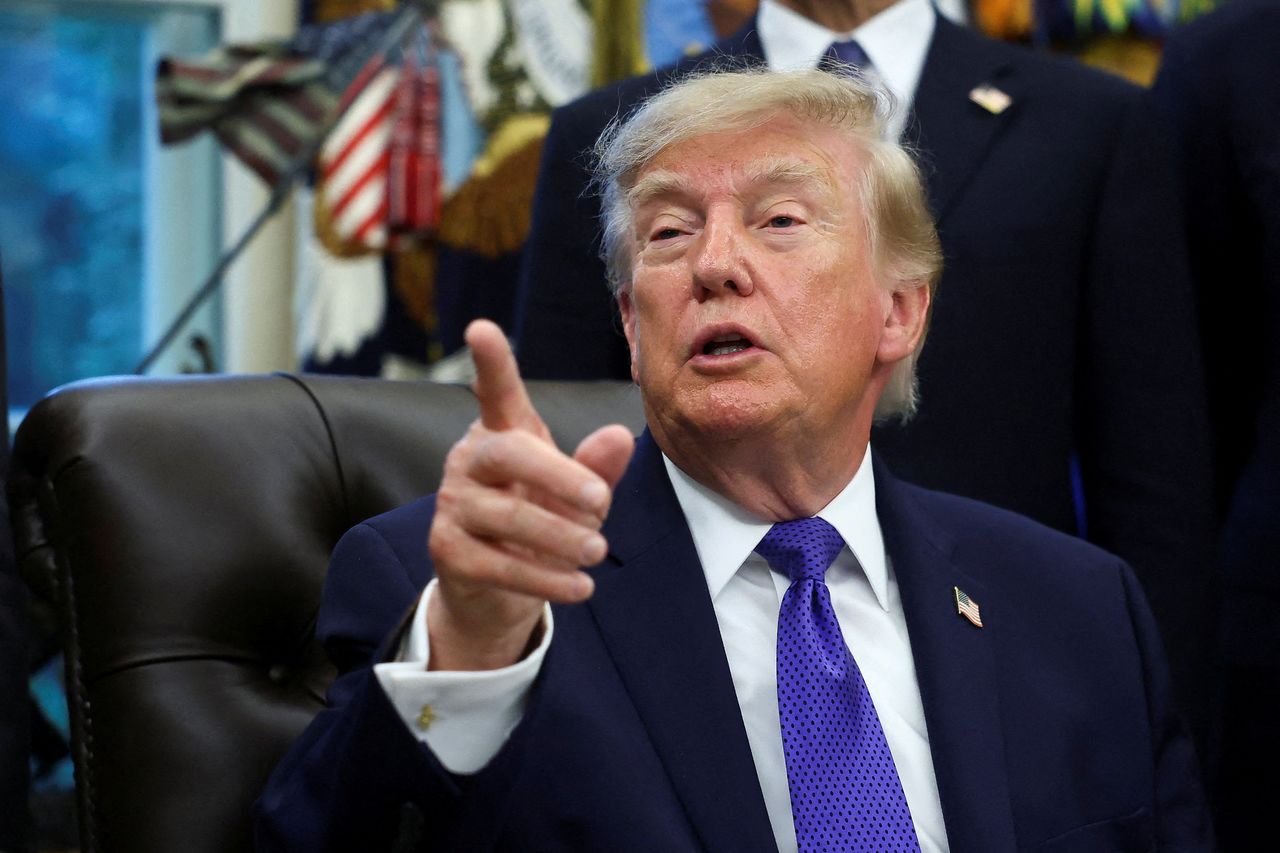
The US trade ban on Canada, targeting select goods including motorcycles, alcohol, and dairy products, officially went into effect on September 29, 2026, according to AP reports. The measures were implemented at 12:01 AM Eastern Time.
Economic Impact of the New Trade Restrictions
While the political implications are significant, the immediate economic impact of the import ban appears limited. The affected trade volume accounts for approximately $1 billion annually, a minor fraction of the $880 billion in total bilateral trade between the two nations. Furthermore, many of these items were already subject to 50% tariffs, which trade experts argue had already rendered them economically unviable to import, effectively serving as a de facto ban.
Tensions and the Future of USMCA
Patrick Childress, a trade attorney and partner at Holland & Knight, noted that these actions will do little to ease trade tensions between the US and Canada. Jacob Jensen of the American Action Forum estimated the value of the banned goods at $967 million for 2025, with alcohol accounting for 87% of the total. The list also includes whey products and three-wheeled motorcycles like the Can-Am Spyder and Canyon. As trade hostilities persist, there is growing concern regarding the future of the United States-Mexico-Canada Agreement (USMCA). President Trump remarked on the eve of the ban that he expects Canadian officials to apologize, stating, ‘They have treated the United States very, very badly. I think a deal will be made, but it will be a fair deal.’