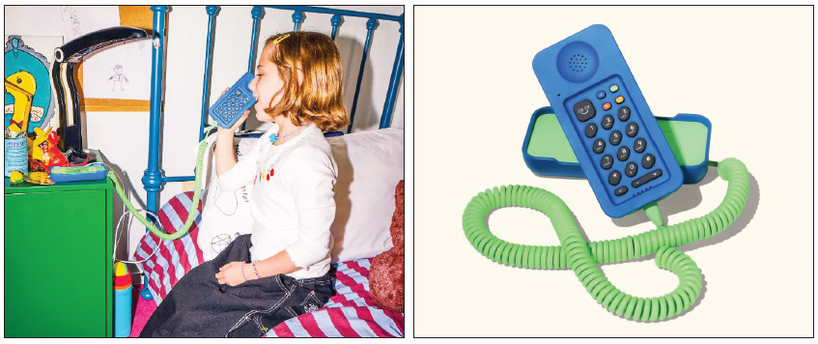
Parents today often want to give their children the freedom to contact friends directly, but hesitate to hand over a smartphone. Driven by these parental concerns, wired landlines—once thought to be extinct—are making a comeback in the hands of Generation Alpha children.
The Rise of Screen-Free Phones for Children
The birth of the children’s landline company ‘Tin Can’ also started from the worries of a father with a daughter. Chet Kittleson, CEO of Tin Can, determined that children needed a way to contact friends and make plans directly without going through their parents. On his LinkedIn, he stated, “Parents want their children to have the initiative and autonomy to enjoy genuine connections with friends.” However, he felt it was too early to give them a smartphone. Concerns over the addictive features of social media and AI chatbots negatively impacting children and teens have intensified. Amid these growing worries, child-friendly landlines have emerged as a practical solution, offering independent communication while delaying smartphone use.
How Tin Can and Similar Devices Work
Tin Can is a child-friendly phone priced at around $100. It features no screen or separate apps and connects via Wi-Fi. Parents can manage who and when their children can call through a dedicated app. Calls between users are free, and for around $10 a month, users can also make outbound calls to standard phone numbers. Celebrating its second anniversary last month, CEO Kittleson founded the company in 2024 with two friends facing similar dilemmas. According to the company, hundreds of thousands of Tin Can devices have been distributed across North America, with recent expansions into the UK, Australia, and New Zealand. The ‘Tin Can Community’ program, which introduces the product to schools and local communities, received applications from 136 cities across 40 states within just its first week.
Nostalgia Meets Modern Parenting Alternatives
Another company, ‘Pinwheel,’ is targeting a similar market. Pinwheel CEO Dane Witbeck shared in an interview last month with KTLA that he is amazed by the market response to these products. The return of landlines is also fueled by parental nostalgia. For Millennial parents, landlines evoke fond childhood memories of chatting with friends for hours and making plans over the phone. This aligns with the desire to let their children experience a 1990s-style childhood of playing outside until sundown. CEO Kittleson noted, “We want kids to have a simpler childhood like our generation did. Landlines can provide that experience and teach children how to communicate using their voices.”