New Jersey is facing a New Jersey aging crisis driven by three major challenges: rapid population aging, stricter Medicaid eligibility requirements, and a surge in artificial intelligence (AI) scams targeting the elderly.
Medicaid Work Requirements and Potential Coverage Loss
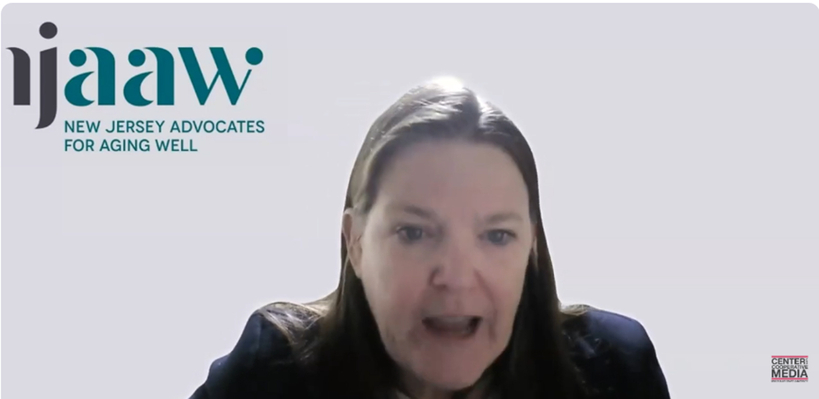
Experts emphasize the urgent need to prepare for changes in the healthcare and caregiving systems while protecting seniors from financial fraud and implementing long-term aging strategies that encompass housing, transportation, and social participation. During a media briefing held via Zoom last month titled ‘New Jersey Aging, Public Health, AI, and Care Management,’ Kathy Rowe, Executive Director of NJ Advocates for Aging Well, and Chris Widelo, Director of AARP New Jersey, discussed these pressing issues.
The briefing highlighted the new ‘community engagement requirements’ for Medicaid, set to take effect next year. Presenters explained that under federal legislation H.R. 1, known as the ‘One Big Beautiful Bill Act’ passed last year, Medicaid beneficiaries aged 19 to 64 must fulfill at least 80 hours per month of work, volunteering, schooling, or a combination thereof to maintain eligibility.
Director Widelo expressed concern, citing Congressional Budget Office (CBO) estimates that approximately 7.5 million people nationwide could lose their Medicaid coverage. He noted that many would lose benefits not due to ineligibility, but because of complex reporting procedures and paperwork errors. According to the briefing, notification letters regarding compliance will be sent to beneficiaries late this year, with states mandated to enforce the new rules starting next January.
AI Scams Target Senior Retirement Funds
A growing warning was issued regarding the increasing sophistication of AI-driven scams targeting older adults. Fraudsters are utilizing AI to forge official-sounding documents and mimic the voices of family members, compelling victims to transfer funds without suspicion.
Director Widelo, who has handled fraud issues for AARP for over two decades, stated that scam methods are evolving at an unbelievable pace. At an AARP annual fraud prevention summit in Edison, New Jersey, featuring over 1,270 in-person and online participants, a case was shared where a local resident named Mark and his wife lost over $1 million in retirement savings after being tricked by AI-generated documents.
To combat these issues, AARP operates the ‘Fraud Watch Network,’ offering free phone consultations to individuals regardless of membership status or age, helping victims navigate reporting and recovery procedures.
Comprehensive 10-Year Aging Plan Proposed
Addressing New Jersey’s demographic shifts requires a comprehensive approach to aging policy. Executive Director Rowe noted that last year, the population of residents aged 60 and older surpassed the number of school-enrolled students for the first time, indicating that aging is progressing faster than anticipated.
The association is championing the ‘Lifelong Strong New Jersey’ campaign, urging the adoption of a ‘Multi-sector Plan for Aging (MPA).’ This governor-led initiative outlines a 10-year comprehensive blueprint integrating healthcare, housing, transportation, and social engagement. Rowe noted that approximately 14 states across the U.S. have already implemented similar frameworks, and New Jersey House Bill 5140 currently proposes establishing a task force to develop this vital strategy.