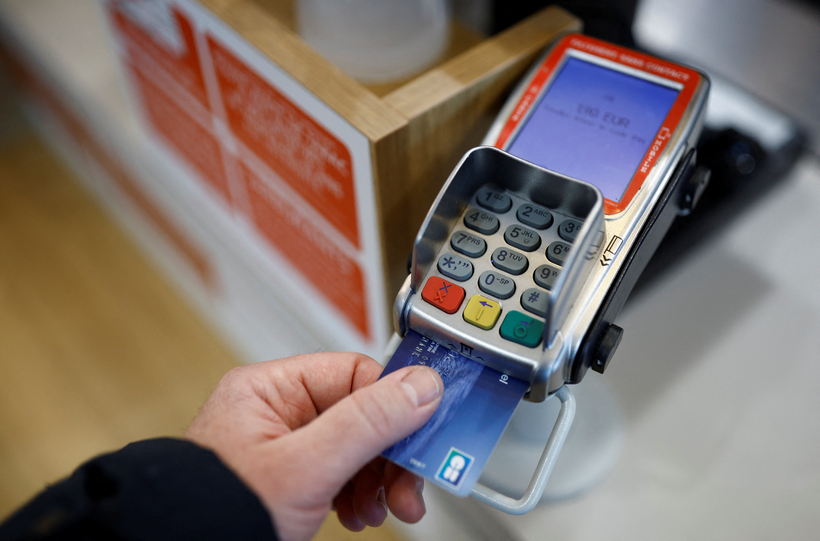
Persistent high inflation is increasing the financial strain on households, leading to a rising number of failures to timely repay debts such as credit cards and auto loans.
According to recent data from the Federal Reserve Bank of New York, the proportion of credit card balances delinquent for 90 days or more approached 13%.
The long-term delinquency rate for auto loans also surged to an all-time high this year, marking the highest level in over 20 years since the New York Fed began tracking the statistics.
The proportion of delinquent mortgage households similarly hit a six-year high.
Student loan delinquencies have also increased sharply since last year, an effect analyzed to stem from the termination of pandemic-era student loan repayment deferrals combined with changes in federal repayment policies.
Overall debt burdens on households are also growing rapidly.
According to the Federal Reserve’s Survey of Consumer Finances, approximately 9% of U.S. households used 40% or more of their income for debt repayment last year.
Households experiencing at least one delayed debt repayment reached about 20% of the total.
An increasing number of consumers are covering their living expenses with credit cards.
According to a March survey by debt information firm Debt.com, more than half of U.S. consumers reported paying for basic living expenses such as groceries, rent, and utility bills using credit cards. About 60% of respondents stated that their credit card balances increased compared to a year ago due to inflation.
According to the University of Michigan’s Consumer Sentiment Index survey, more than half of domestic consumers answered that they plan to reduce spending over the next year. Items slated for budget cuts included groceries, household goods, automobiles, dining out, and travel.
Joanne Hsu, Director of Surveys at the University of Michigan, stated that dissatisfaction with living costs continues to grow and that consumers, regardless of political affiliation, feel the economic flow has worsened compared to earlier this year.