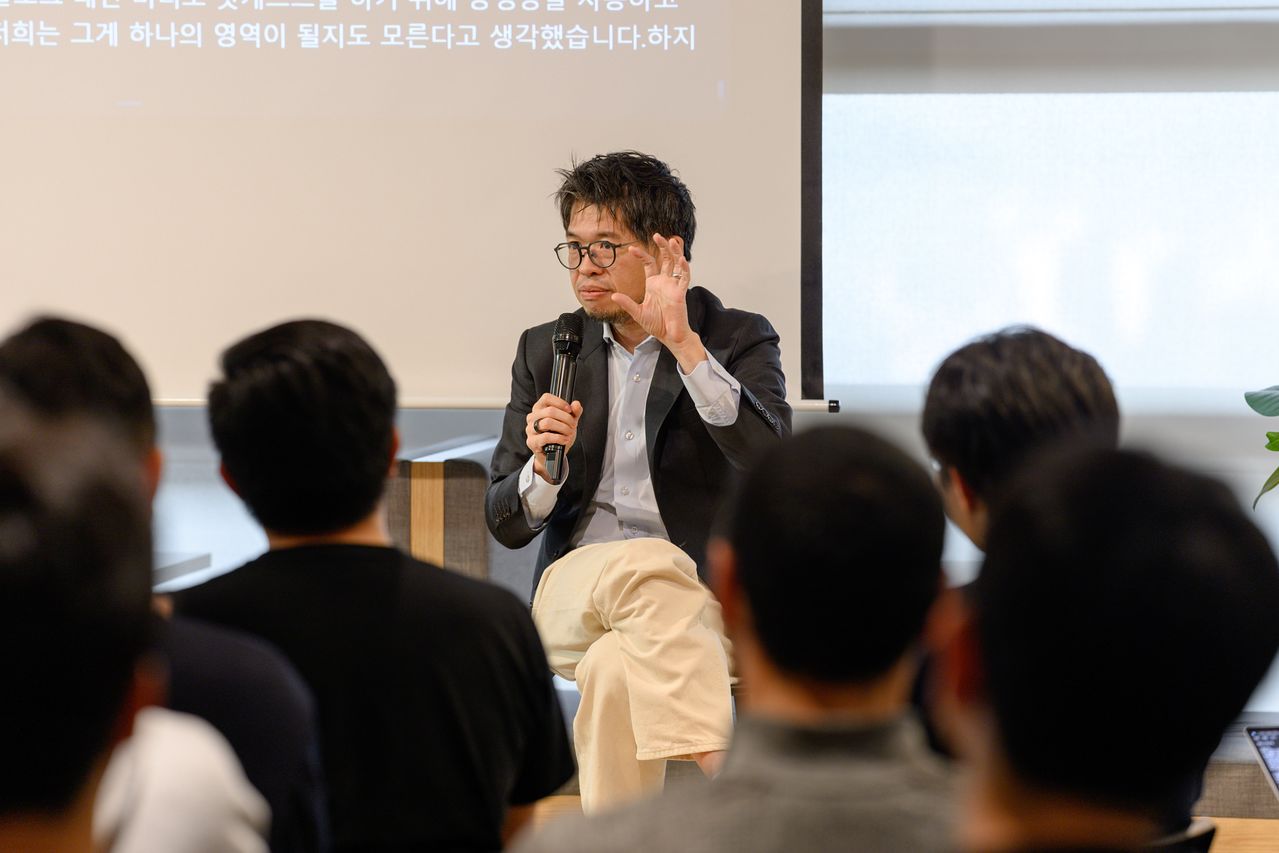
YouTube co-founder YouTube Founder Steve Chen recently shared valuable insights for Korean entrepreneurs, emphasizing that even Elon Musk didn’t know the correct answers from the very beginning. Invited by global venture capital firm SBVA, Chen participated in a special dialogue session titled ‘Can a company like YouTube emerge in Korea?’ held at the SBVA headquarters in Seocho-gu, Seoul.
Reflecting on his early days joining PayPal as an initial developer in 1999, Chen recalled watching the intense debates between founders Peter Thiel and Elon Musk, which ultimately inspired his own entrepreneurial journey. He noted that neither Thiel nor Musk had all the answers from day one, stressing that taking the first step is essential to discovering the right path, and that the courage to face potential failure is paramount.
After co-founding YouTube in 2005 with his PayPal colleagues and leading video technology development as CTO, Chen sold the platform to Google the following year for $1.65 billion. During the hour-long dialogue and subsequent Q&A session, Chen addressed various topics ranging from AI-driven startup strategies to content moderation and Silicon Valley culture.
When asked about building services in an era where AI enables anyone to launch a startup, Chen highlighted the importance of connection, user engagement, and loyalty. He explained that organic self-sustaining cycles of loyalty between users, creators, and platforms drove YouTube’s core growth. However, he also voiced concerns over generative AI content, noting that distinguishing human-made content from AI is increasingly difficult and raises complex copyright and revenue-sharing challenges.
Offering advice for Korean entrepreneurs aiming to succeed in Silicon Valley, Chen stressed the importance of embracing discomfort and actively networking beyond comfort zones. Concluding with advice for hesitant entrepreneurs, he encouraged them to test their ideas within three to six months, noting that Silicon Valley uniquely embraces failure as a stepping stone for future innovation.