Southern California residents can look forward to a stunning array of astronomical events throughout November, including meteor showers, a planetary close approach, and a supermoon. The month kicks off with Taurid meteor showers early in the month, followed by a close pairing of Jupiter and Mars in mid-month, and a brilliant supermoon lighting up the night sky late in the month.
First, the Northern Taurid meteor shower reaches its peak on the night of November 11 into the early morning of November 12. In areas with low light pollution, stargazers can expect to see about 10 to 15 meteors per hour. There is also a higher-than-usual chance of spotting ‘fireballs’—large meteors shining brighter than Venus. Because Taurid meteors tend to be large and slow-moving, they are often called ‘Halloween fireballs.’
On the mornings of November 15 and 16, a planetary conjunction will feature Jupiter and Mars side by side in the eastern sky. Between 4 a.m. and 6 a.m., observers can spot bright white Jupiter glowing alongside reddish Mars. Such close approaches between these two planets occur only once every few years.
Next, the annual Leonid meteor shower peaks on November 17 and 18. Meteor showers occur when Earth passes through debris fields left behind by comets; the Taurids are associated with Encke’s Comet, while the Leonids originate from Comet Tempel-Tuttle.
To get the best view of these meteor showers, it is recommended to escape city lights. Popular viewing spots include Joshua Tree National Park, the San Gabriel Mountains, and local beaches, though coastal areas may experience marine layer fog that can obstruct visibility.
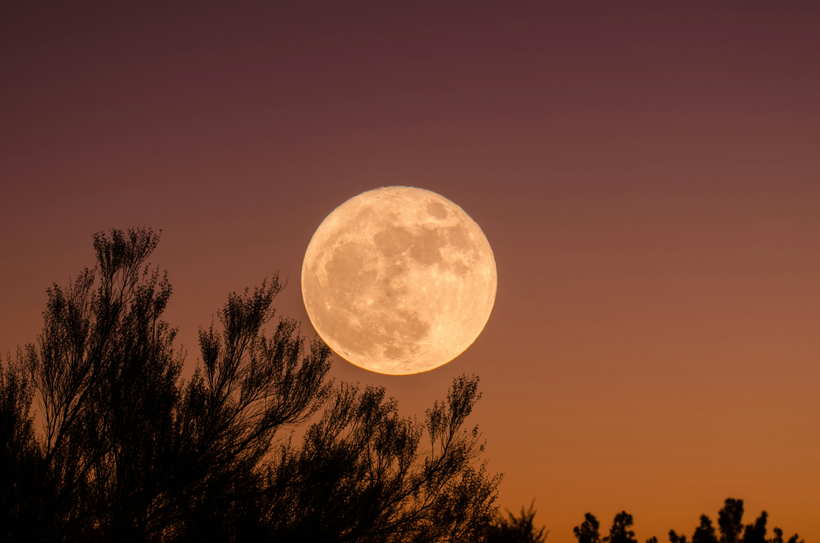
The grand finale of this month’s astronomical events is the supermoon on November 23 and 24. This phenomenon occurs when a full moon coincides with its closest point to Earth in an elliptical orbit, making it appear larger and brighter than usual. The moon may look especially massive immediately after moonrise on the eastern horizon when compared against nearby buildings and mountains.