From traditional historical dramas rooted in factual events to imaginary kingdoms crafted purely through imagination, the small screen and OTT platforms are stepping into a vibrant competition of era-based content. While summoning major milestones of Korean history such as the Three Kingdoms period, the Goryeo Dynasty, and the Japanese colonial era, works implementing Western medieval-style fantasy worldviews are also emerging, significantly broadening the boundaries of historical dramas.
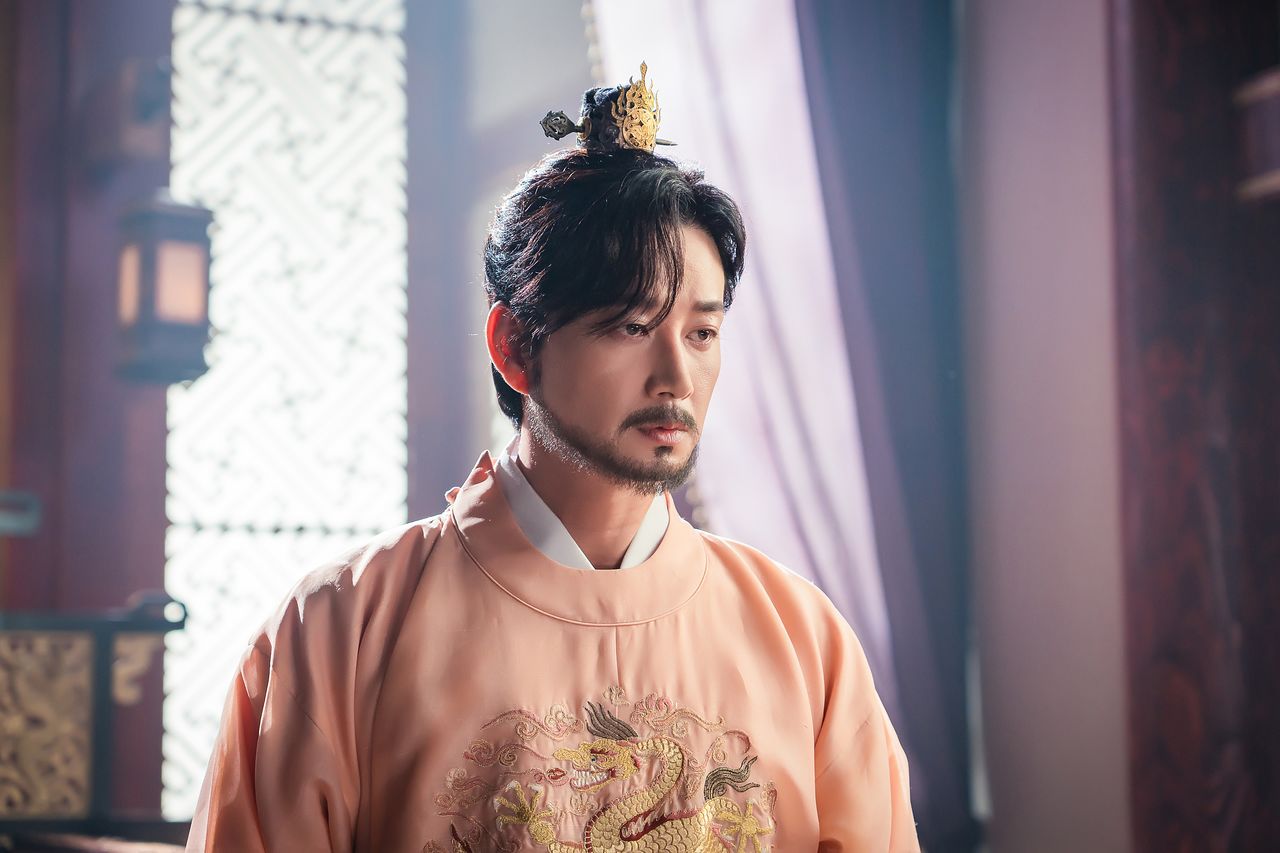
KBS is launching its first traditional historical drama, K-drama historical fantasy and period epic ‘Munmu’, three years after ‘Korea-Khitan War’. Premiering on the 14th, the production deals with Silla’s history surrounding the unification of the Three Kingdoms. Actors Lee Hyun-wook take on the role of Kim Beob-min, Kim Kang-woo as Kim Chunchu, and Park Sung-woong as Kim Yushin. As a blockbuster with a production budget of around 30 billion won, it plans to unfold the Silla-Tang War that broke out after the unification as its main narrative. The main observation point is how familiar historical events will be newly portrayed through large-scale battle scenes and political conflicts among characters.
JTBC is presenting ‘Beads of Destiny’, which adds fantasy to the Goryeo Dynasty background, starting on the 5th of next month. Set in 1258, near the end of the Goryeo-Mongol wars, it depicts the struggle of a military escort trying to protect the sacred ‘Avalokitesvara Bodhisattva Pearl’ and the story of a princess who saves them. Actors Ahn Bo-hyun, Lee Sung-min, Soo-hyun, and Yoon Kyun-sang star in the series. ‘Beads of Destiny’ garnered early international attention by being officially invited to the Rendezvous section of the Canneseries non-competition category this year.
Era dramas set during the Japanese colonial period are also greeting viewers. tvN’s ‘The Lies of 100 Days’, a romance depicting spies and youths against the backdrop of the Japanese colonial era, premiered on the 10th. Starting with a 5.3% viewership rating for its first episode, it has been on an upward trajectory, climbing up to 10.7% for the 10th episode based on Nielsen Korea’s nationwide household standards. It is a spy romance unfolding as spy Lee Ga-kyung (Kim Yu-jung) and Joseon Government-General interpreter Kim Tae-woong (Park Jin-young) cross paths across 16 episodes.
Works that completely construct a fictional historical world have also emerged. Disney+’s romance fantasy ‘The Remarried Empress’, released by Disney+ starting on the 3rd, is enjoying early box office success, ranking second globally as of the 12th according to FlixPatrol. Although the production does not take a real country or specific historical period as its background, it creates a unique period atmosphere by implementing medieval European-style architecture, costumes, and court culture.
This marks a colorful variation of era dramas. Period pieces refer to content depicting characters, incidents, and social phases with a specific historical age or a virtual time and space reminiscent of the past as a background. As the eras, characters, nations, and worldviews spotlighted by these works diversify, the boundaries of the genre are expanding.
Back in the 1990s, traditional grand historical dramas recreating historical events or figures—such as ‘Han Myung-hoe’ (1994), ‘Tears of the Dragon’ (1996–1998), and ‘Heo Jun’ (1999–2000)—were dominant. However, entering the 2000s, fusion and faction historical dramas that added fiction and imagination—such as ‘Jewel in the Palace’ (2003–2004) and ‘Jumong’ (2006–2007)—increased works reinterpreting historical facts. Aspects combining virtual dynasties and various genres like romance and thriller, much like ‘Moon Embracing the Sun’ (2012), also appeared.