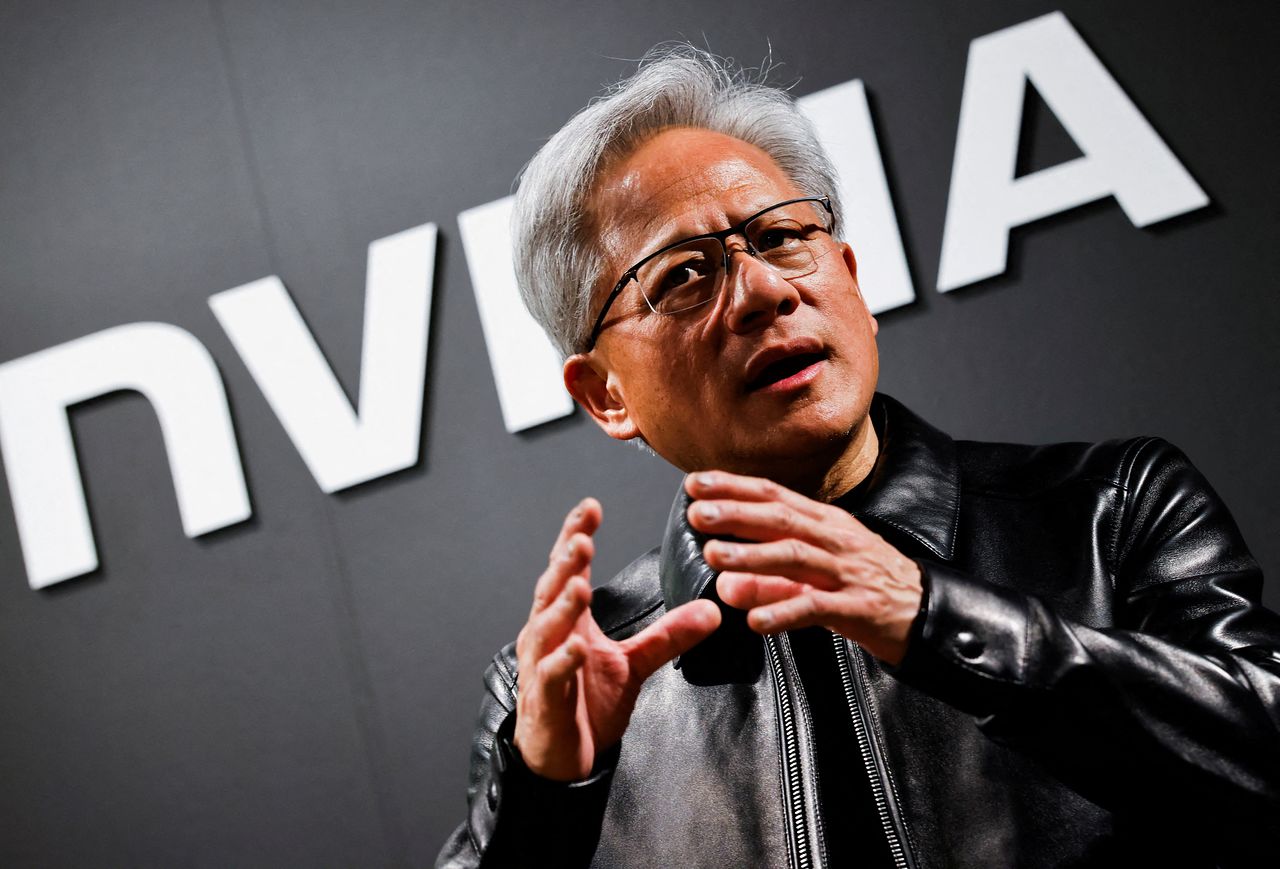
Jensen Huang, founder of Nvidia shareholder lawsuit risks, has placed the company in a precarious position amid affair scandals and alleged Chinese spy ties. Although Nvidia holds up to $900 million in Directors and Officers (D&O) liability insurance, it has been revealed that the policy fails to cover the damages and litigation costs the company itself is required to shoulder.
On the 14th (local time), the Financial Times (FT) reported, citing sources, that Nvidia only subscribed to ‘Side A’ of D&O insurance, which protects individual executives’ personal assets and defense costs. ‘Side B’, which reimburses the company for indemnifying executives, and ‘Side C’, which covers securities-related lawsuits filed directly against the company, were notably missing. Participating insurers included Beazley, AIG, and Chubb.
Generally, large U.S. publicly traded companies purchase all three types of insurance together to prepare for litigation arising from wrongful management judgment or actions. However, by excluding company-level coverage, Nvidia may be forced to directly shoulder compensation and legal fees if it loses future shareholder class actions.
Financial industry observers evaluated the exclusion of company-level insurance as highly unusual. A 2018 survey by global insurance broker WTW showed that 91% of listed companies held D&O insurance, and over 80% subscribed to Sides B and C in addition to Side A. Aaron LeMarquand, a lawyer at UK-based law firm Stewarts, told the FT that it is standard and practically essential for listed companies to have Side A and B insurance, noting that large U.S. public firms almost universally acquire Side C due to extreme litigation risks.
Nvidia shareholders have already filed a class action. They took issue with allegations that former CEO Huang and the company concealed material facts or made misleading statements regarding alleged Chinese spy links. Furthermore, additional ‘stock drop’ lawsuits seeking damages for investment losses due to the plunging stock price could follow.
Amid the scandal surrounding former CEO Huang, Nvidia’s stock price took a heavy direct hit. According to the Wall Street Journal (WSJ), Nvidia shares plummeted about 12.8% last week (9th–13th), wiping out $573 billion (approx. 800 trillion KRW) in market capitalization. This marks the largest weekly market cap loss in history for any global company. Compared to its peak on the 6th of last month, the market cap has shrunk by over $1.8 trillion, falling below the $4-trillion mark.
Triggering market panic were consecutive personal life controversies and a leadership vacuum. Following a New York Times (NYT) report late last month detailing his relationship with a woman suspected of being a Chinese spy, former CEO Huang admitted to the affair on the 8th of this month. Additional suspicions of an affair with a corporate executive further surfaced, ultimately leading him to step down as CEO on the 12th.