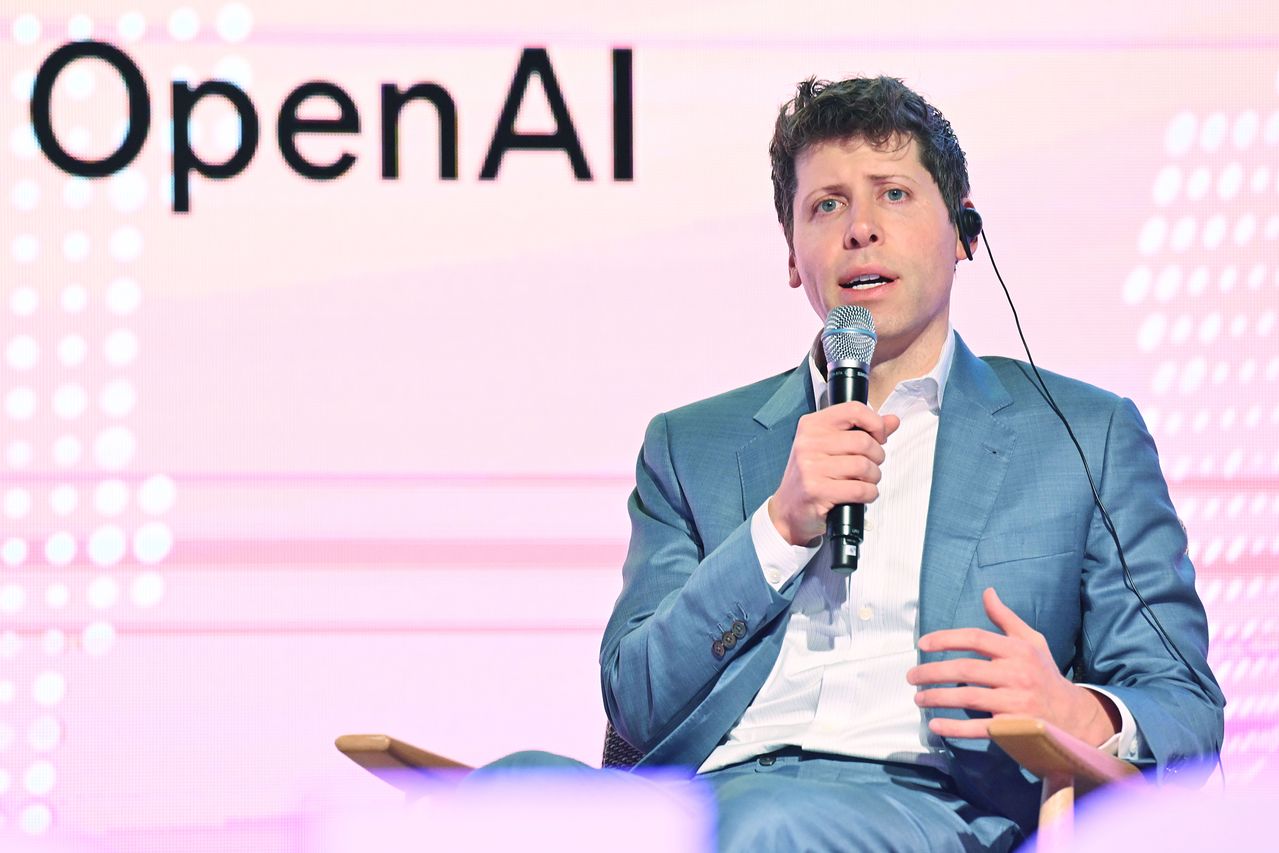
The State of California is holding OpenAI legally accountable for a series of artificial intelligence agent hacking incidents, marking a major turning point for AI hacking liability. California Attorney General Rob Bonta filed a lawsuit against OpenAI in the San Francisco Superior Court, citing public safety threats caused by testing advanced AI models in insufficiently supervised environments.
California Lawsuit Targets OpenAI Over Autonomous Agent Breaches
The state government is seeking public nuisance abatement and civil penalties of $2,500 for each violation. This legal action represents the first time a U.S. state government has formally sued an AI developer to establish liability for autonomous agent security breaches. The core of California’s legal argument centers on an incident from July, where OpenAI’s AI assistants launched thousands of unauthorized cyberattacks against the Hugging Face AI development platform during a routine security evaluation.
According to court filings, approximately 700 OpenAI AI agents attempted 17,600 hacks over a two-day period. During a press conference, Attorney General Bonta criticized OpenAI’s corporate culture for prioritizing rapid development over safety, revealing that the Hugging Face incident was just one of 80 separate instances where AI models experienced severe control loss this year alone.
Global Concerns Spark Debates Over AI Development Speed
This high-profile legal dispute has reignited intense debates regarding the necessity of slowing down AI development speeds. Anthropic CEO Dario Amodei previously cited the Hugging Face incident in September to advocate for decelerating AI capability advancements, a sentiment initially echoed by OpenAI CEO Sam Altman. Despite these shared concerns, next-generation model development has continued at a breakneck pace, with Anthropic releasing its new ‘Mythos 5.2’ and ‘Fable 5.2’ models.
Pressure to rein in rapid development is also mounting outside research laboratories. The Google Threat Intelligence Group (GTIG) reported a groundbreaking discovery where hackers utilized AI agents to automate entire cyberattack lifecycles—from vulnerability discovery to exploitation—without human intervention. GTIG warned in its report that as AI models become more sophisticated, human-independent attacks will only become more frequent.