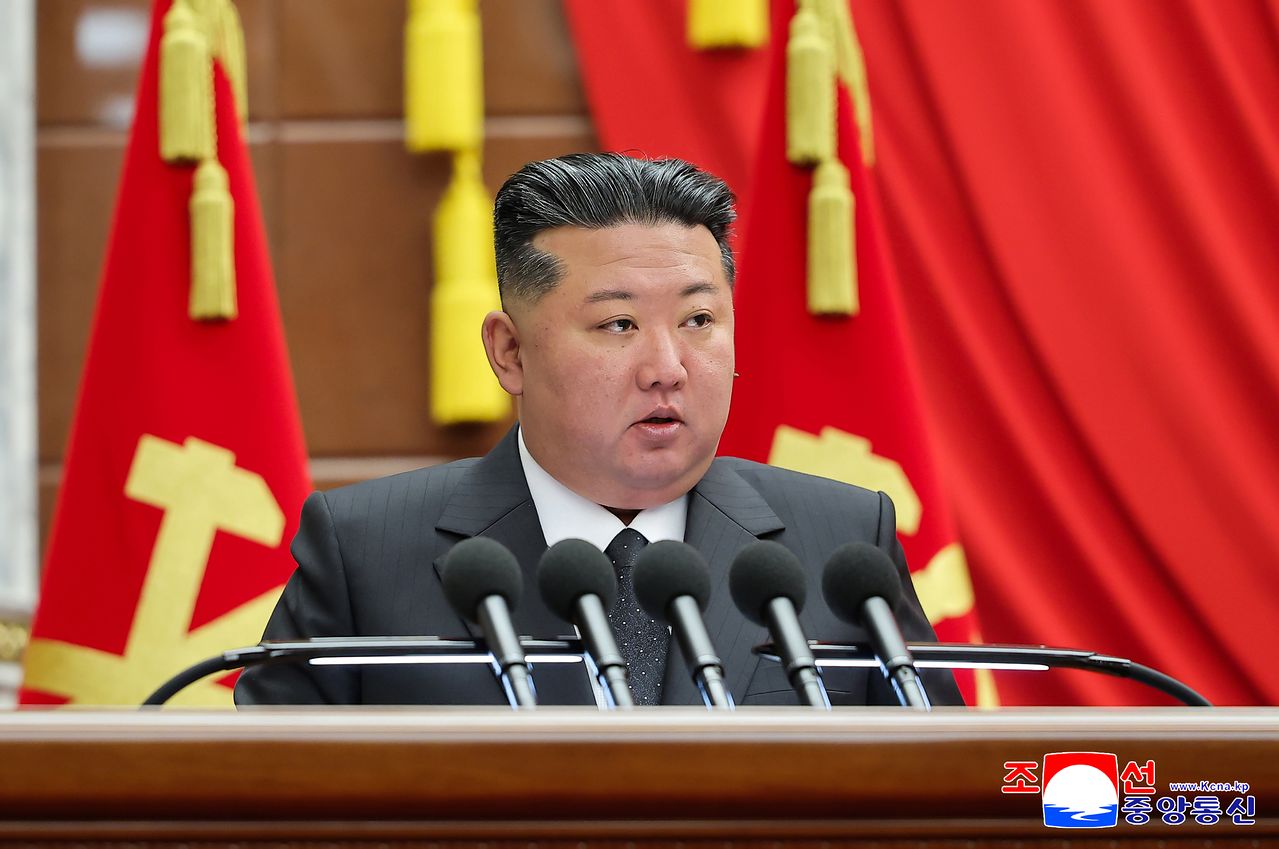
When newly appointed Special Representative for Korean Peninsula Peace and Security Affairs Kim Gunn took office in June 2022, he received a startling intelligence report. North Korean leader Kim Jong-un had allegedly told his missile development research departments, North Korea missile funding must now come from your own efforts as state coffers are empty. This revelation marked the starting point of an intense investigation into how US Silicon Valley companies were unwittingly being utilized as financial lifelines for Pyongyang’s nuclear and missile programs.
In his memoir, North Korean Nuclear Diplomacy on the Blade’s Edge, Kim Gunn revealed the inner workings of North Korea’s illicit foreign currency-earning operations and the joint Seoul-Washington countermeasures. According to the memoir, North Korea deployed young IT researchers to China to secure foreign funds for overseas parts. Utilizing fake American, Australian, and Japanese identities purchased for just $200, these operatives secured software outsourcing gigs from Silicon Valley firms via platforms like LinkedIn. Defector testimonies indicate that roughly 50 teams operated solely in China’s three northeastern provinces, pulling in about $2 million annually per team and totaling over $100 million.
Tracing the Illicit Tech Revenue Stream
During his first official trip to Washington, Kim met with Anne Neuberger, then-Deputy National Security Advisor for Cyber and Emerging Technology at the White House. Neuberger highlighted the severity of the threat by pointing to the infamous $625 million heist from the blockchain game Axie Infinity by North Korean hackers in March 2022. To combat this growing threat, South Korea and the United States established a joint task force to choke off Pyongyang’s cyber revenue streams. Authorities recommended that Silicon Valley companies conduct video interviews requiring candidates to show their actual surroundings to verify time zones, while tightening freezes on suspicious accounts.
Exposing Sanction Evasions and Historical Backchannels
The memoir also exposes widespread Chinese sanctions evasion. In 2021, the Royal United Services Institute (RUSI) in the UK provided intelligence showing that refined petroleum products were illicitly supplied to North Korea through corporate networks in Fujian province, the political stronghold of Chinese President Xi Jinping. Furthermore, the book sheds light on a historic 2006 diplomatic backchannel where former US President George W. Bush offered Chinese President Hu Jintao a peace treaty in exchange for North Korea’s complete abandonment of weapons of mass destruction. Although transmitted to Pyongyang, Kim Jong-il flatly rejected the proposal.