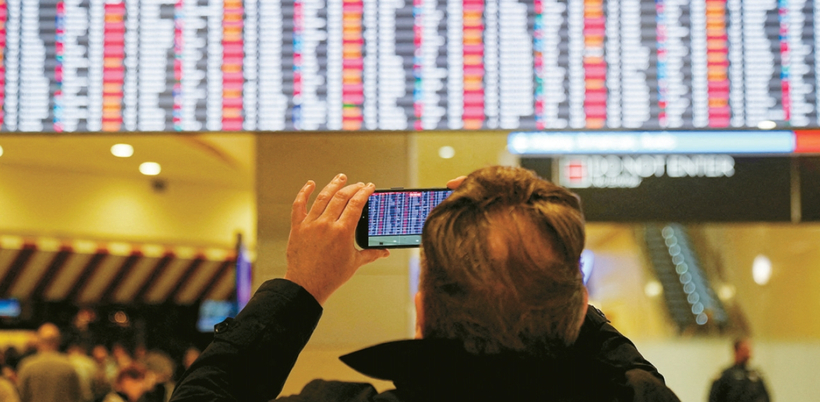
A recent nationwide ground stop of aircraft in the U.S. resulted in massive cancellations and delays, heightening anxiety for travelers heading into the Thanksgiving travel season. This incident served as a reminder that travel plans can be paralyzed at any moment by minor disruptions.
After the Federal Aviation Administration (FAA) issued a 4-hour nationwide ground stop on the 13th, over 18,000 flights were canceled through the weekend and numerous others were delayed. Although the ground stop order was soon lifted, the domino effect left hundreds of thousands of travelers stranded at airports nationwide.
The American Automobile Association (AAA) projected that approximately 6 million people will use air travel during this Thanksgiving holiday period. The busiest day is expected to be the Sunday immediately following Thanksgiving.
Katie Nastro, an aviation and travel expert with the flight tracking service Flighty, emphasized that a nationwide ground stop like this is an extremely rare occurrence and that practical preparation is more important than excessive anxiety.
First, travelers should check the change and refund conditions before booking their tickets. Airline-specific customer support policies can be found on the U.S. Department of Transportation website, FlightRights.gov.
Choosing the right flight is also crucial. It is generally advantageous to book the earliest departing flight of the day. As the afternoon progresses, the likelihood of accumulated delays from bad weather or preceding flights increases significantly.
Opting for direct flights over connecting flights is also recommended. Connecting itineraries carry a relatively high risk of disrupting the entire schedule due to delays or cancellations of the initial leg of the journey.
Passengers should minimize luggage by carrying it on whenever possible, and those with checked bags are advised to arrive at the airport an hour earlier than usual.
Before departure, it is helpful to check not only your specific flight but also the preceding route of that aircraft. Using flight tracking apps allows travelers to identify potential issues even before they appear on airport departure boards.
Being aware of alternative flights with available seats in case of cancellations is also helpful. While actual booking is not necessary, identifying backup flight options ahead of time can prepare you for emergencies.
If the situation worsens and flying becomes impossible, travelers should consider alternative transportation such as trains, buses, and rental cars. Experts advise that checking the fares and refund policies of alternative transit options in advance allows for more flexible responses to unexpected aviation chaos.