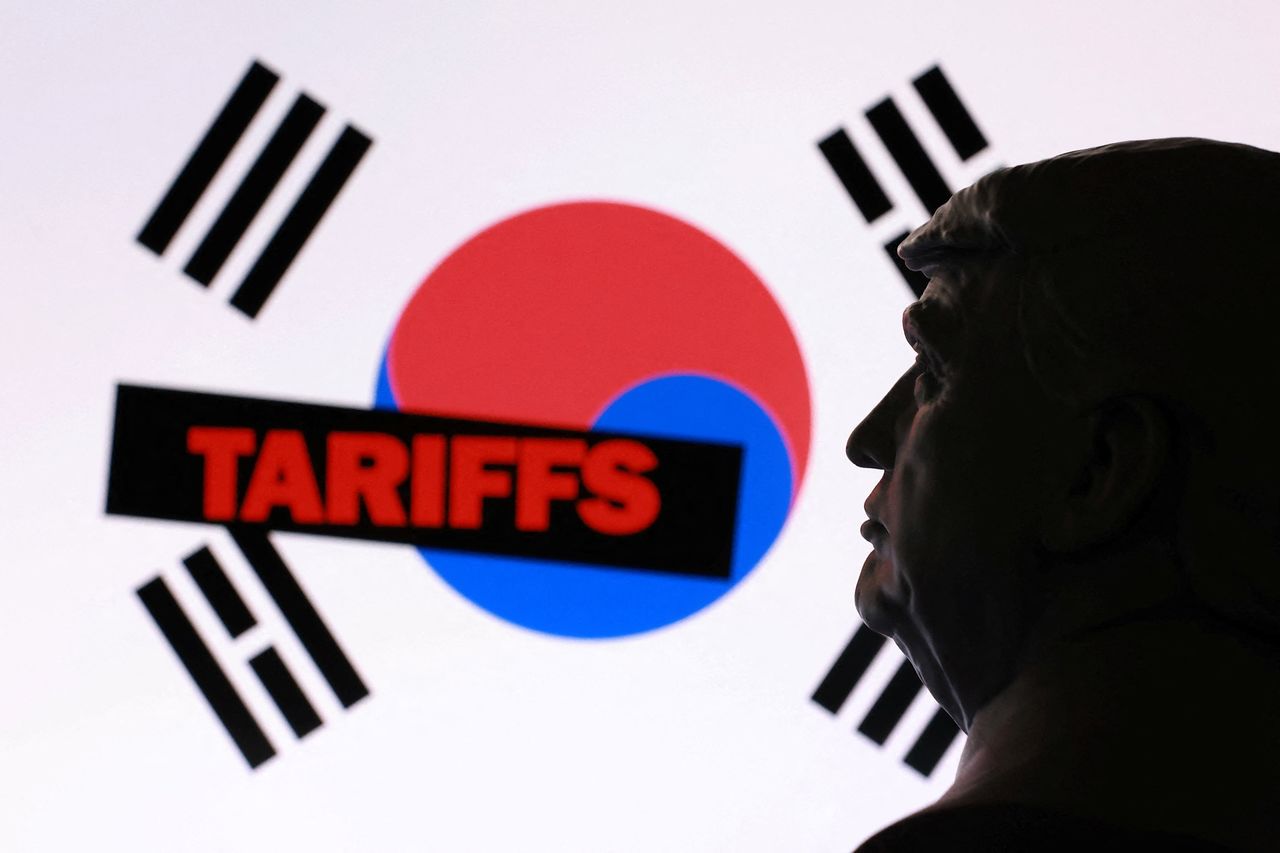
The US Trade Representative (USTR) has cited South Korea’s Honam semiconductor cluster development project and other initiatives as the basis for warning of impending overcapacity tariffs. The rationale is that government intervention disguised as regional development policies leads to semiconductor production capacities exceeding natural market levels, thereby harming the United States. While proposing a tariff ceiling of 15% in exchange for South Korea’s $350 billion US investment, the USTR also raised the possibility of applying tariffs of up to 25% if ongoing consultations and existing commitments are deemed unsatisfactory.
According to the ‘Section 301 Investigation Results and Tariff Action Notice on South Korea’s Manufacturing Overcapacity’ released by the USTR, the agency stipulated that South Korea’s focus on export-led growth, distortion of fair market competition, and failure to expand domestic demand and consumption constitute ‘unreasonable practices’ under Section 301. This section allows the US government to respond to foreign measures that burden or restrict US commerce through tariffs or other import limitations.
Semiconductor technology remains a primary target of the USTR. The report referenced the K-Semiconductor Belt plan launched in 2021, noting that the strategy combines large-scale private investments of 510 trillion won with government support such as tax incentives, infrastructure development, and deregulation. It added that South Korea recently announced a $530 billion spending plan for the chip industry over 20 years, alongside a July 2026 plan to establish a new semiconductor cluster in the Gwangju and Jeolla regions based on approximately 800 trillion won in corporate investment pledges.
The USTR noted that the South Korean administration views semiconductors as an opportunity to develop relatively underdeveloped regional economies, reportedly pressuring companies like SK Hynix to expand domestic capacity while directing the government to provide necessary water, electricity, and land.
During a CNBC appearance, USTR Representative Jamieson Greer defended the tariff measures, stating that South Korea’s recent government support and infrastructure plans represent direct state intervention rather than a response to actual market demand.
The USTR emphasized that South Korea’s dominant position in memory chips, reinforced by excessive government support, creates potential overcapacity risks that could destabilize global markets as new production facilities come online. Furthermore, the agency raised economic and security concerns regarding South Korea’s heavy reliance on Chinese intermediate goods, which it argues grants unfair price advantages while exposing supply chains to coercion and vulnerabilities.