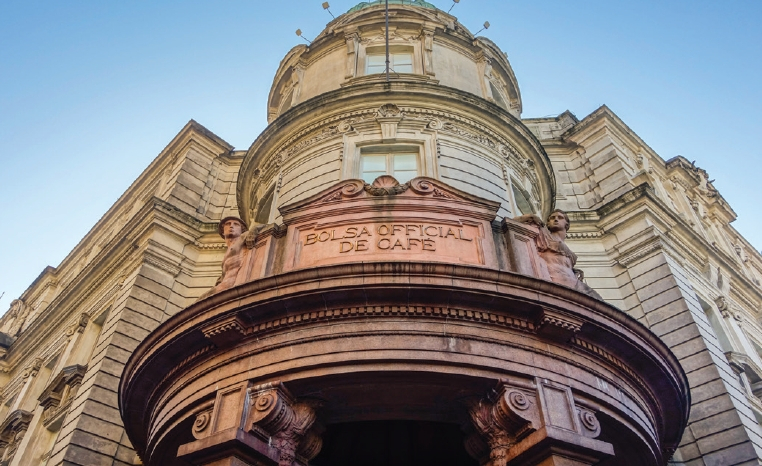
Today, people around the world drink over 2 billion cups of coffee every day, and one out of every three cups is produced in Brazil. However, astonishingly, Brazil did not have a single coffee tree in the early 18th century. At the time, coffee was a strategic resource generating massive wealth known as ‘Black Gold.’ Producing countries strictly prohibited the export of seeds, and cultivation technology was treated like modern semiconductor technology.
Brazil eventually dispatched a young soldier and diplomat to French Guiana. While the official pretext was an embassy to resolve border disputes, his real mission was clear: bring back coffee seeds at any cost. Although the French governor refused to hand over the seeds, an unexpected event occurred on the day of departure. The governor’s wife handed over a bouquet of flowers containing hidden coffee seeds and young saplings as a farewell gift. Today, Brazilians still say that Brazilian coffee blossomed from a single flower.
The seeds were planted in Belém, a city at the mouth of the Amazon River in northern Brazil, where the coffee trees began to grow. However, Belém was too hot and humid, resulting in weak aromas and disappointing quality. Eventually, the coffee cultivation moved south to the mountainous hinterlands of Rio de Janeiro and later expanded into the vast lands of São Paulo, creating massive plantation farms known as Fazendas.