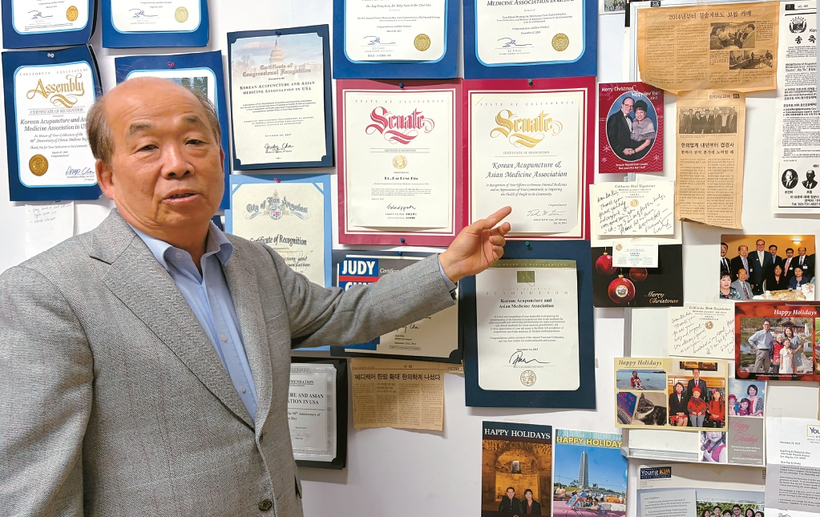
Nothing of value is achieved without effort, and the current recognition of acupuncturists as independent healthcare professionals in California is no exception. Today’s routine and seamless visits to acupuncture clinics under public insurance benefits were once the ultimate goals of relentless grassroots struggles. These milestones represent decades of dedicated legislative battles fought by the Korean-American and broader traditional Asian medicine community.
In 1975, the California government first legally recognized acupuncture as a form of medical treatment. However, treatments were strictly limited and required a formal referral from a Western medical doctor. It took another three years, until 1978, for this pre-requisite referral requirement to be abolished, finally opening the door to independent patient diagnoses and treatments.
Over subsequent decades, the traditional medicine community fiercely protected the right to directly diagnose and treat patients. Today, traditional Asian medicine has successfully integrated into major institutional healthcare systems, including Medicare Advantage HMO plans and the Affordable Care Act, officially establishing itself as a vital pillar of mainstream American healthcare.
The foundational framework behind this institutional integration was driven by veteran figures like Kap-Bong Kim, the former 13th and 17th president of the California Acupuncture Association and senior advisor to the Korean-American Medical Association. In an in-depth retrospective, Kim detailed the decisive moments that brought traditional medicine into mainstream U.S. systems and the ongoing challenges that remain for the next generation of practitioners.
Reflecting on his platform two decades ago to secure Medicare coverage, Kim emphasized the urgent need to lower financial barriers for senior citizens. Countless elderly patients routinely had to turn away from needed treatments simply due to a lack of funds. Securing entry into public insurance programs was essential not only to lower clinic entry thresholds but also to guarantee fair compensation for practitioners, paving a sustainable path for future generations.
The journey toward systemic integration faced immense hurdles, including the ambitious push for AB 54 in 2008 to mandate private insurance coverage and expand curriculum hours. Leaders and students from institutions like SouthâBaylo and Dongguk Universities chartered buses and drove through the night to Sacramento, arriving at early morning legislative hearings to make high-stakes appeals in brief 10-to-20-second windows. Although the state bill ultimately faced a gubernatorial veto, the legislative expertise and curriculum enhancements gained during the fight laid a vital foundation for subsequent federal initiatives and the Affordable Care Act’s Essential Health Benefits inclusion.
Following state-level setbacks, the coalition shifted focus toward federal advocacy, forging vital alliances with key lawmakers like Representative Judy Chu, who continuously championed provider status and senior acupuncture coverage. To overcome resistance within congressional subcommittees, advocacy groups launched direct lobbying efforts in Washington, D.C., visiting hundreds of congressional offices with petitions signed by 50,000 Korean-Americans to advocate for regulatory reform.
Strategic diplomatic engagement with key national figures, such as former Virginia Governor Tim Caine in 2010, helped secure vital anti-discrimination provisions within the Affordable Care Act. These efforts eventually paved the way for acupuncture to be officially recognized as an Essential Health Benefit under California’s state healthcare exchange plans starting in 2014.
Despite major victories—such as the 2020 decision by the Centers for Medicare and Medicaid Services to cover acupuncture for chronic lower back pain—significant limitations remain. Because acupuncturists are not yet granted full independent provider status under original Medicare, independent practitioners often must rely heavily on private Medicare Advantage plans, continuing a decades-long mission to achieve complete institutional parity and fair professional recognition.