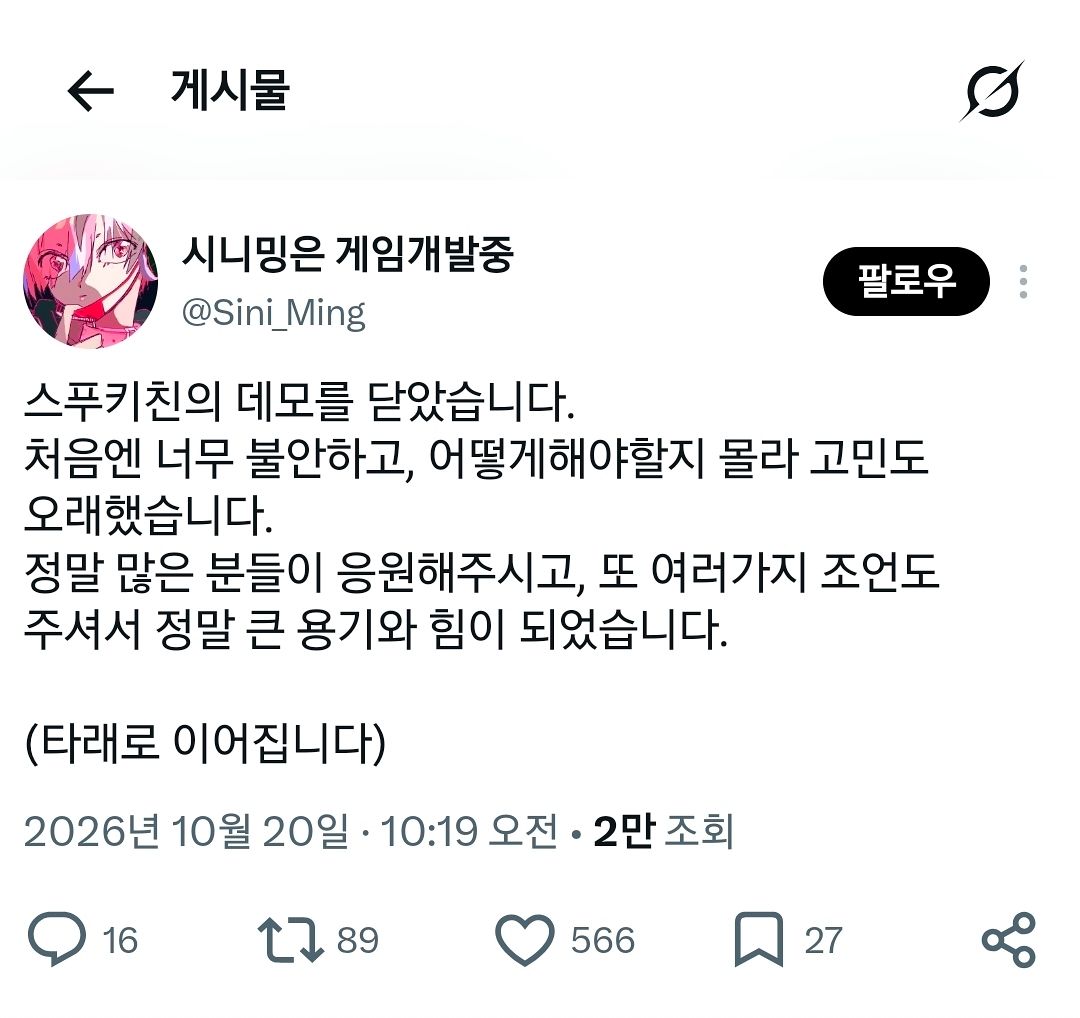
The rise of AI game cloning is sending shockwaves through the gaming industry, forcing independent developers to shut down public demos to protect their intellectual property. As coding artificial intelligence enables non-developers to replicate game mechanics effortlessly, the traditional business model of game creation faces unprecedented threats.
The Threat of Reverse Engineering and AI Cloning
South Korean game studio WhyNot, currently developing the management simulation game ‘Spooky Kitchen’, recently took down its public demo after receiving threatening emails. The messages boasted that the senders would use AI to replicate the game’s core mechanics and demanded release dates and pricing information. With advanced coding AI models, individuals can now quickly build similar games by observing visual elements and play styles from trailers or demos.
Global Indie Studios Facing Extortion and Copycats
This unsettling trend extends globally. Japanese indie developer Alliance Arts recently canceled the public demo for its upcoming title ‘Drunken Goddess Reflux’, opting instead for a restricted private playtest to prevent premature copying. Meanwhile, the developer of ‘Iron Pilgrim’ revealed receiving an extortion email threatening to sell a cloned version of the game within 24 hours unless a ransom was paid.
A Threat to Industry Sustainability
Experts warn that if copycats continue to profit off the hard work of original creators without investing time or capital, the entire ecosystem could collapse. Scholars emphasize the urgent need for copyright safety nets and strict guidelines to protect small and mid-sized game developers from predatory AI replication.