It is not a scene from a science fiction movie. A new type of private school has emerged in the Los Angeles area where AI private school programs teach core subjects instead of traditional teachers. Students spend just two hours a day studying fundamental subjects like math and reading, focusing the rest of their time on hands-on activities and real-life education. However, controversy is growing because the annual tuition exceeds $75,000 and the effectiveness of AI-driven education remains unverified.
Originating in Texas, Alpha School opened campuses in Santa Monica, Playa Vista, and Malibu this year, launching AI-centric education. Instead of traditional teachers leading the classroom, AI learning programs pace lessons according to individual student levels and speeds. The core of Alpha School is its two-hour focused learning block. The school claims that leveraging AI allows students to complete six hours of conventional schoolwork in just two hours, freeing up time for coding, sports, financial education, and creativity development.
The learning system utilized is called Time Back. AI analyzes students’ learning abilities, interests, strengths, and weaknesses to deliver customized curricula. Students solve problems via computers, needing a 90% accuracy rate to advance to the next level. High-achieving students progress quickly, while those struggling receive additional learning opportunities. The biggest difference is the absence of traditional teachers, replaced by guides who support student activities and motivation without necessarily holding teaching credentials.
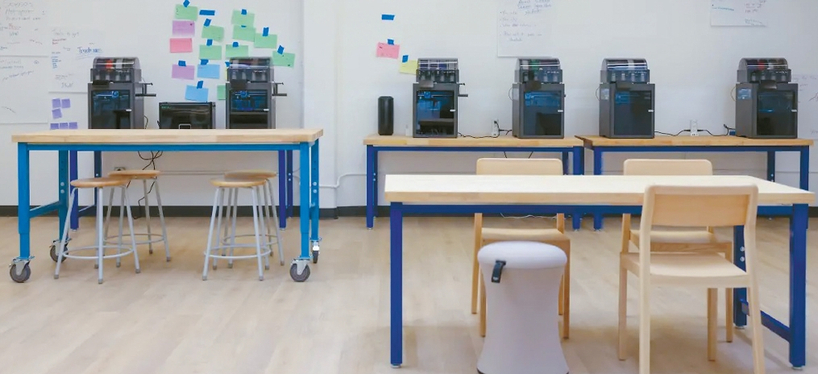
After morning academics, students engage in diverse experiential activities, such as building bookshelves, 3D printing toy prototypes, coding websites, playing instruments, or even learning surfing to foster independence. Some middle schoolers tackle challenges combining 10-kilometer runs, tire changes, cold plunges, and Rubik’s cubes to build problem-solving skills and confidence. Gamification elements reward students with experience points and prizes for meeting goals, while the lack of homework appeals strongly to parents.
Despite rapid expansion and positive reviews from parents praising accelerated vocabulary growth and practical skills, high tuition remains a barrier. Educational experts question whether machine-led instruction can truly replace human interaction, warning that a lack of external oversight and over-reliance on transactional reward systems pose potential risks to developing minds as L.A. public and private sectors test vastly different approaches to technology.