When artificial intelligence pioneer Anthropic made its historic debut on the Nasdaq stock exchange, more than half of the institutional investors who participated in the initial public offering subscription failed to receive a single share, according to foreign media reports.
Citing sources familiar with the matter, Bloomberg reported that out of roughly 1,200 institutional investors that took part in the Anthropic IPO subscription, over 50% walked away empty-handed. Share allocations were heavily skewed toward domestic U.S. investors, while a significant portion of orders originating from outside the United States was excluded from the distribution.
Anthropic is raising a staggering $107.3 billion through this IPO, which includes $26 billion in private equity investments previously secured from major backers like Nvidia and Google. This figure surpasses the previous record set by SpaceX. During SpaceX’s public offering, demand exceeded the available public shares by more than fourfold, leaving roughly one-third of bidders empty-handed.
Anthropic CEO Emphasizes AI Safety Amid Nasdaq Listing
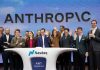
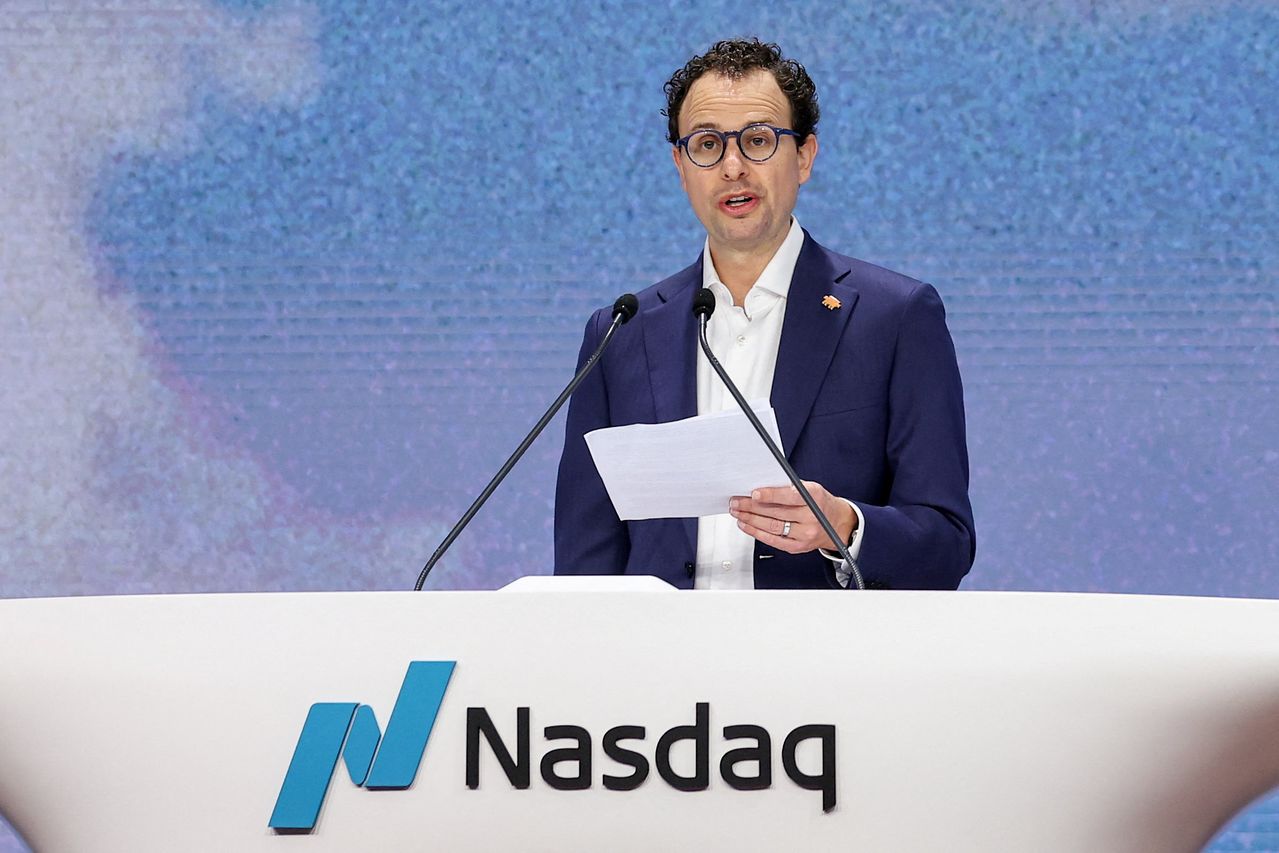
As the first major AI enterprise to enter the public markets, Anthropic CEO Dario Amodei articulated a strong vision to achieve both AI safety and commercial success simultaneously. Speaking at the Nasdaq listing ceremony, Amodei stated that the company will deliberately pace the training and deployment of its AI systems, taking whatever time is necessary to ensure they remain safe and under human control.
He emphasized that artificial intelligence built with an obsession for safety differs vastly from AI developed without it, noting that a commitment to safety and the public interest has been deeply embedded in Anthropic’s DNA from day one. Amodei added that he expects other industry players to eventually adopt this chosen path, referring to the approach as a “race to the top.”
Balancing Growth, Ethics, and Public Scrutiny
Industry observers suggest that the emphasis on safety and the public good by Anthropic’s founders is partly designed to preempt criticism surrounding their simultaneous push for a public offering despite previously championing a cautious, slow-growth approach to artificial intelligence development.