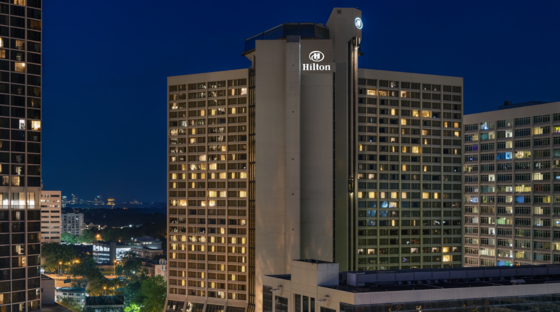
Atlanta Hotel Occupancy Drops During 2026 World Cup
Atlanta hotel occupancy unexpectedly declined this summer despite the city hosting eight major FIFA World Cup matches. According to recent data released by the Atlanta Convention & Visitors Bureau (ACVB), the city’s hotel occupancy rate dropped to 63% in June, a 4% decrease compared to the same month last year. The downward trend continued into July, hitting 57%, which represents a sharp 10% year-over-year decline. The World Cup tournament kicked off in Atlanta on June 15 and concluded with the semi-final match on July 15.
Factors Behind the Decline in Atlanta Hotel Occupancy
Several global and economic factors contributed to the drop in Atlanta hotel occupancy. Geopolitical tensions, including the ongoing Iran conflict, caused energy prices to surge, thereby driving up travel costs for both flights and driving trips. Additionally, stricter immigration enforcement under the Donald Trump administration impacted international travel demand. High ticket prices, phased ticket sales by FIFA, and Atlanta’s exceptional transportation accessibility also played a role. Because of the world-class Hartsfield-Jackson Atlanta International Airport and highly walkable downtown area, soccer fans quickly arrived, watched the games, and departed for other cities rather than extending their hotel stays.
Surprising Revenue Growth Despite Lower Occupancy Rates
Despite the dip in Atlanta hotel occupancy, the local hospitality industry still saw positive financial gains through higher room rates. Hotels successfully maintained elevated pricing, leading to an increase in revenue per available room (RevPAR). In July, Atlanta’s RevPAR reached $121, marking a 0.7% increase from the previous year, while year-to-date RevPAR rose 2.4% to $131. Short-term rental operators also benefited from higher nightly rates; according to market analytics firm AirDNA, metro Atlanta short-term rental revenue increased by 22%—amounting to $12.7 million—during the World Cup tournament.