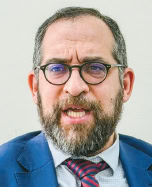
 Ben Forer, a Los Angeles County prosecutor running for Los Angeles County Superior Court Office No. 66, says the judicial system must adapt to a rapidly changing digital environment. He is emphasizing his experience in cybercrime investigations as one of his key strengths.
In an interview with The Korea Daily on May 13, Forer said digital evidence has become a central part of modern litigation.
“Today, most cases involve digital evidence such as text messages, emails, cloud-based records, and cellphone location data,” Forer said. “If a judge does not understand technological changes, it is difficult to handle modern cases fairly.”
Forer has worked as a prosecutor for more than 20 years and also teaches cyber law and computer forensics at USC. He pointed to his long experience handling cybercrime cases within the Los Angeles County District Attorney’s Office, saying he has the knowledge and practical background to assist judges who may be less familiar with technology.
Asked why he is running for judge, Forer said he wants to move from representing one side to weighing both sides fairly. “A judge must review cases calmly and reach decisions fairly under the law,” he said. “I want to be a thoughtful and balanced judge.”
Forer also discussed his ties to the Korean American community. During his time at the District Attorney’s Office, he said he worked with Korean American prosecutors, including Irene Lee, special counsel to the district attorney. He also said he collaborated with prosecutors from South Korea when they were assigned to his cybercrime unit during training programs in the United States.
On court access, Forer pointed to language and cultural barriers that many immigrant communities face.
“Immigrants, including Korean Americans, can face difficulties using the court system because of language and cultural differences,” he said. “Expanding interpretation services is important, but so is providing information in major languages such as Korean, offering community education and improving judges’ cultural understanding.”
Forer also expressed concern that intensified immigration enforcement may make some immigrants afraid to appear in court. “Crime victims, witnesses and people who need to appear in court should be able to use the courts without fear over their immigration status,” he said. “Victims and witnesses should not give up participating in the justice process because of immigration concerns.”
Forer acknowledged that one judge cannot immediately change the entire court system. But he said having a judge with strong technological understanding can still make a meaningful difference. “Just having a judge in the courthouse who understands technology can help other judges and contribute to education and information sharing,” Forer said. “I want to bring a new generational perspective and technological understanding to the judiciary.”