Big Bad Wolf Proof? Why “Straw” is the New Concrete for Sustainable Housing California
In a state where the median home price often feels like a typo, one Santa Cruz nonprofit is looking 200 years into the past to solve the modern housing crisis. Forget steel and glass—the future of sustainable housing California projects might just be made of agricultural waste. Just Places, in partnership with People First, has unveiled a plan to build a “straw bale village” on the grounds of Mount Calvary Lutheran Church to provide permanent, eco-friendly homes for those transitioning out of homelessness.
Building with Legos Made of Carbon
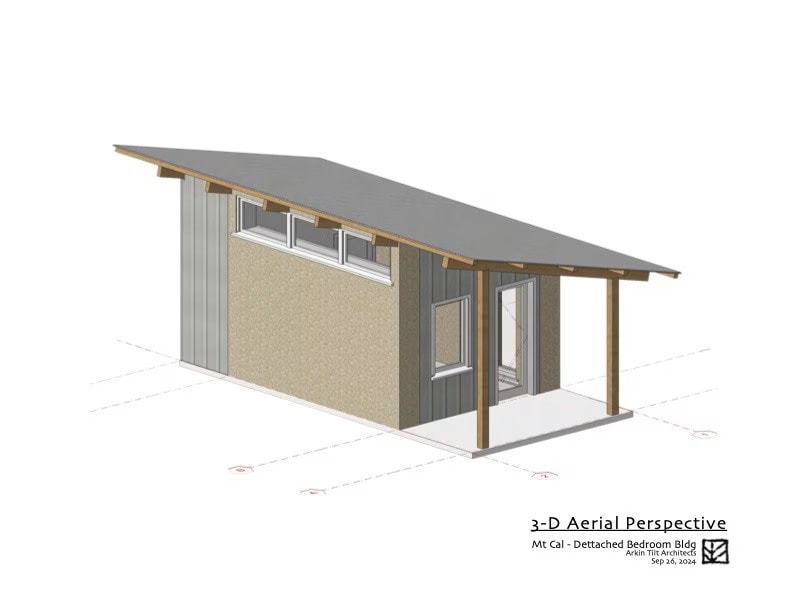
With local median list prices staggering at $1.95 million, homeownership in Soquel has become a fantasy for many. Enter the straw bale. While it sounds primitive, general contractor Michele Landegger describes these bales as “nature’s Legos.” But don’t expect a rustic shack; these units are LEED-certified, solar-powered, and finished with professional plaster, making them indistinguishable from conventional homes—except for the massive savings on utility bills.
Key benefits of this “ancient-future” tech include:
-
Energy Efficiency: Straw insulation can slash heating and cooling costs by up to 75%.
-
Fire Resistance: Counter-intuitively, dense straw bales offer 3x the fire resistance of wood-frame homes because the lack of oxygen prevents combustion.
-
Soundproofing: Ideal for urban areas, these walls naturally block out traffic and plane noise.
The Tipping Point: From Waste to Walls
The environmental impact is where this sustainable housing California initiative truly shines. Buildings typically account for nearly 38% of global CO2 emissions. However, straw bale construction is carbon-negative. By trapping the carbon captured during the grain’s growth inside a wall for a century, these homes act as giant carbon “sinks.”
“We’re at a tipping point for climate change,” says co-founder Kita Glass. “We want to stop putting carbon in the air right now.” By turning agricultural waste into high-performance housing, Just Places isn’t just building roofs—they’re building a cooler planet.
A Village with a Vision
The proposed village will feature six tiny homes alongside studio, one-bedroom, and two-bedroom apartments. The project currently aims to raise $300,000 to replace uninhabitable cabins with these modern marvels. If successful, the “truth windows”—small glass panes left in the walls to show the straw within—will serve as a reminder that the solution to our biggest problems might have been sitting in a farmer’s field all along.