Virtual Power Plants Expand as Homeowners Sell Excess Electricity
Technology Seen as a Key Solution to Rising AI Power Demand
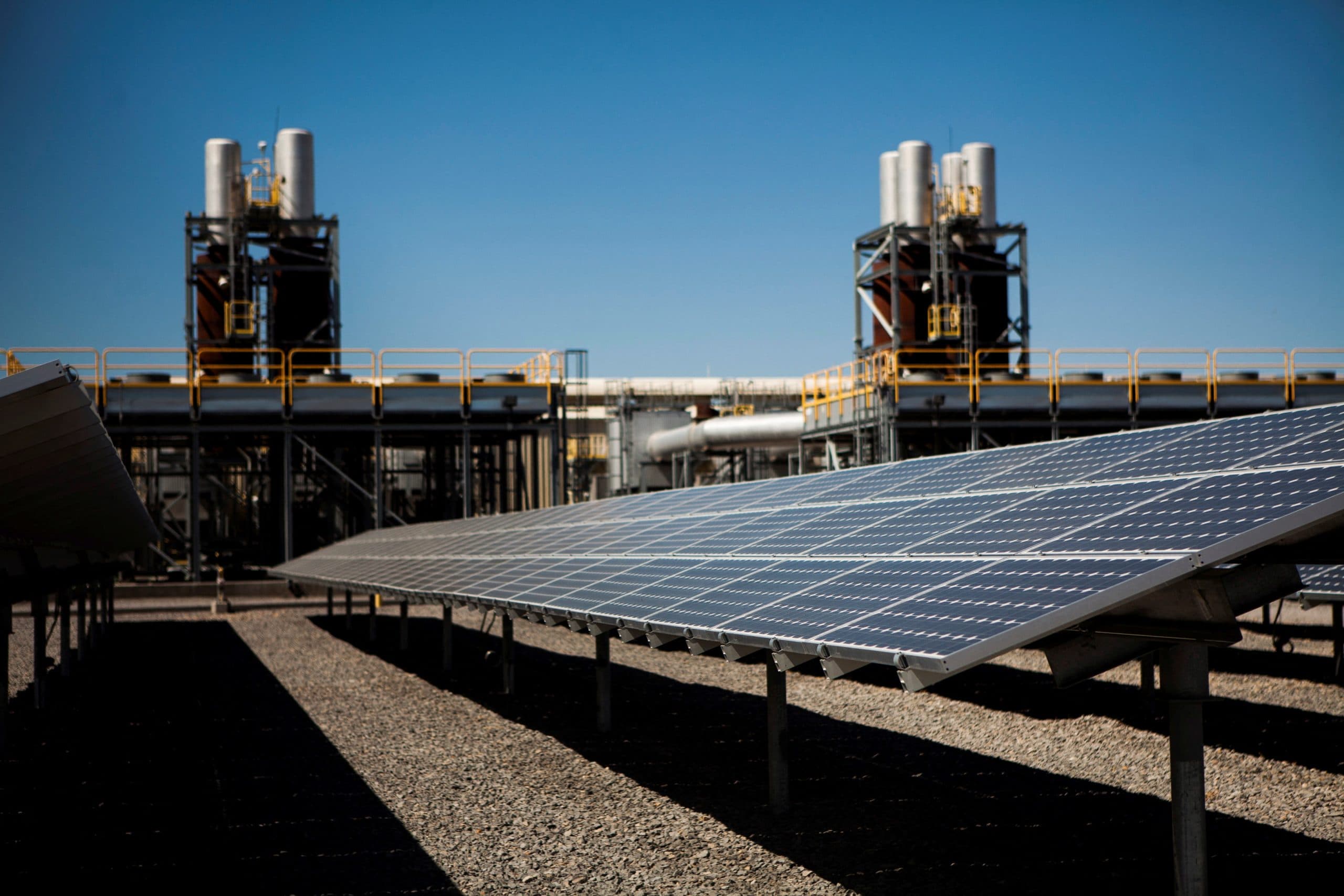
Virtual power plants (VPPs), which allow homeowners to sell excess electricity generated by rooftop solar panels and home batteries back to the power grid, are rapidly expanding across the United States.
As more households significantly reduce—or even eliminate—their electricity bills through solar energy, VPPs are also emerging as a potential solution to meet the soaring electricity demand driven by the rapid growth of artificial intelligence (AI) data centers.
Jeff and Jenny Wright of Houston, Texas, have not paid an electricity bill in more than a year. Their rooftop solar panels and two Tesla home batteries generate enough electricity to power their home, while excess energy is sold back to the grid, effectively offsetting their utility costs.
The couple also receives an annual incentive payment of $240 from solar provider Sunrun, along with monthly utility bill credits of up to $30. In addition to lowering costs, the battery system provides backup power during blackouts and extreme heat events.
A virtual power plant connects distributed energy resources—including rooftop solar systems, residential batteries, smart thermostats, and electric vehicle chargers—through a digital network, allowing them to operate collectively like a conventional power plant.
The concept has gained significant momentum, with VPP programs now operating or under development in 35 states and Washington, D.C., led by California and Texas.
Energy experts believe virtual power plants could play a crucial role in addressing the growing electricity needs of AI data centers. As AI computing infrastructure expands rapidly, utilities face increasing pressure to add generating capacity, while building traditional power plants can take years.
The U.S. Department of Energy estimates the nation will require approximately 200 gigawatts (GW) of additional generating capacity in the coming years.
The Rocky Mountain Institute (RMI) projects that virtual power plants could reduce peak electricity demand by as much as 60 GW by 2030 while lowering annual power system costs by $17 billion.
Sunrun, the nation’s largest distributed energy company, said approximately 107,000 households currently participate in its VPP programs. Last year, those homes supplied a combined 18 gigawatt-hours (GWh) of electricity to the grid, and the company paid participants $17 million in compensation.
Despite the benefits, the high upfront cost of installing rooftop solar panels and home battery systems—often totaling tens of thousands of dollars—remains a major barrier to wider adoption.
Still, as electricity prices rise and AI-driven power demand accelerates, industry experts expect virtual power plants to become an increasingly important part of the nation’s energy infrastructure, offering consumers both lower utility bills and new opportunities to earn income from excess electricity.