DIMA K-pop Education Hub plans are taking shape in Los Angeles as Dong-Ah Institute of Media and Arts (DIMA), a South Korean college specializing in media and entertainment, explores establishing a K-pop education base in the city.
“When people around the world want to learn K-pop, I want DIMA to be the first school that comes to mind,” said Yong Hyuk Choi (Yong H. Choi), chairman of Gongsan Educational Foundation, which operates DIMA.
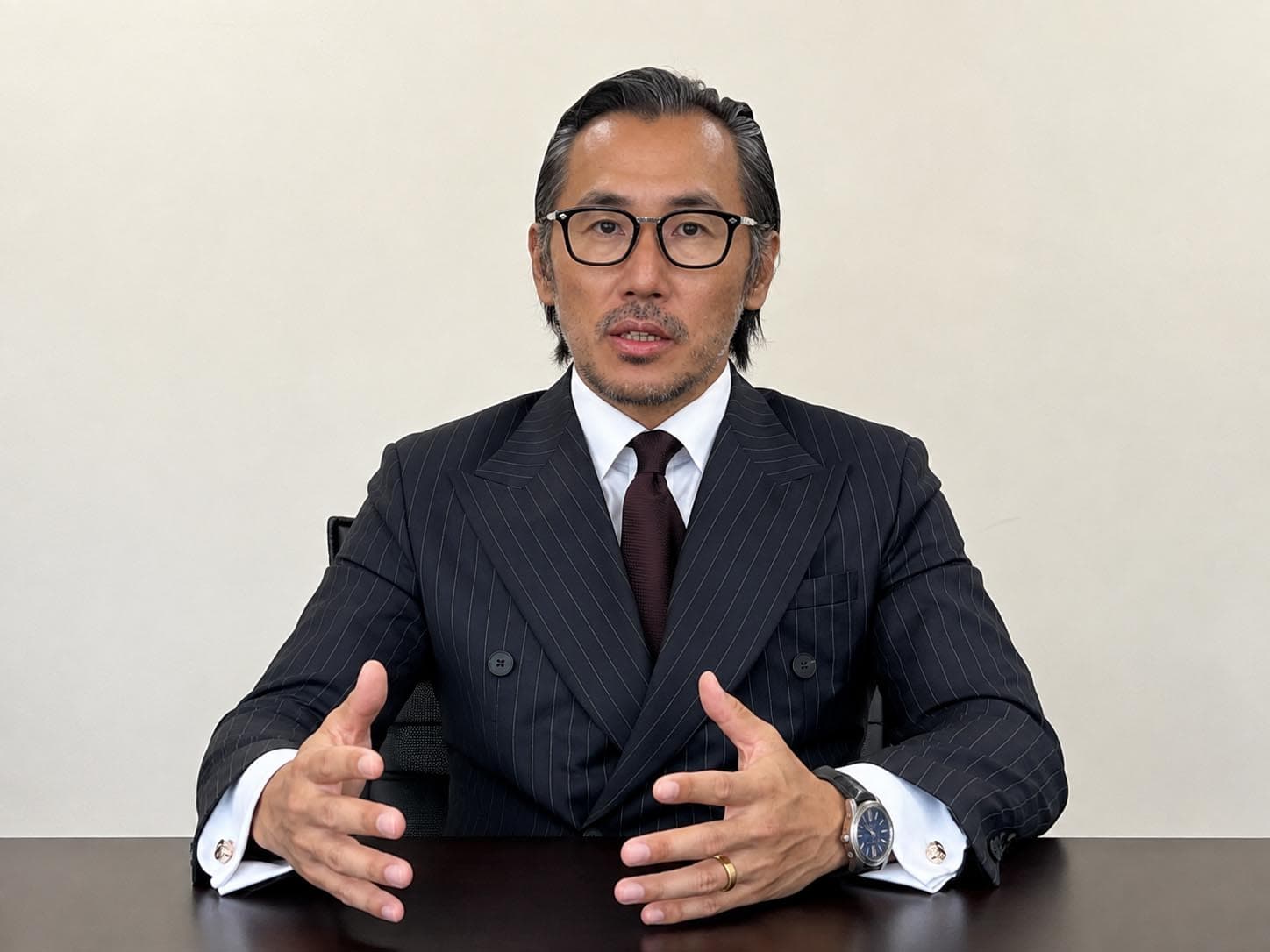
In an interview on Aug. 18, Choi said the primary purpose of his visit was to assess the feasibility of expanding into Los Angeles.
“We plan to determine the specific form it could take after reviewing local demand and potential partner organizations,” he said.
DIMA K-pop Education Hub Looks to Los Angeles
Choi said Los Angeles, particularly Hollywood, is a natural location for DIMA to consider as it seeks to expand its global presence.
“Hollywood is at the center of the global arts and entertainment industry, and there is tremendous interest in K-pop and Korean culture,” Choi said. “If we establish a global K-culture education hub, this is one of the first places we should consider.”
DIMA currently maintains academic exchange agreements with 47 universities in 17 countries. Its Los Angeles initiative would go beyond traditional international programs such as student exchanges by establishing a direct educational presence in the region.

Choi also experienced the popularity of K-pop in Southern California firsthand during his visit. At an event held in Irvine from Aug. 14 to 16, DIMA K-pop faculty members and students performed and taught K-pop dance to children.
“I had seen K-pop’s popularity many times in Japan and Southeast Asia, but this was the first time I experienced it firsthand in the United States,” Choi said.
Building K-pop Through Education
Choi believes systematic education will be essential to sustaining K-pop’s global growth.
DIMA established what it says was South Korea’s first university-level K-pop department in 2013, one year after Psy’s “Gangnam Style” became a worldwide phenomenon.
“At the time, we saw that K-pop could overcome language barriers and compete globally,” Choi said. “We believed this was not simply the temporary success of one artist, but evidence that Korea’s entertainment industry itself was ready.”
He emphasized that K-pop extends far beyond singing and dancing.
“K-pop is a complete package combining video, sound, design, planning and many other elements,” Choi said. “The role of education is to teach those areas systematically and develop the ability to collaborate with specialists across different fields.”
DIMA’s K-pop curriculum includes vocal and dance training as well as songwriting, composition and music production. The program is designed not only to develop performers but also vocal and dance trainers, choreographers, producers and other professionals across the K-pop industry.
Nearly Three Decades in Media and Entertainment
Founded in 1997, DIMA specializes in broadcasting, performing arts and content production. Its studio complex has hosted 132 film and television productions, including the Oscar-winning film “Parasite” and Seasons 1 and 2 of Netflix’s “Squid Game.”
“K-pop is only one part of it,” Choi said. “Video, film, performance and contemporary music — the fields our school has focused on for nearly 30 years — all form the foundation of Korean culture.”
He said DIMA ultimately wants to build the kind of international reputation that makes the school synonymous with K-pop education.
“Just as someone who wants to study jazz may naturally think of a particular school, I want people anywhere in the world who want to learn K-pop to think, ‘I should go to DIMA,’” Choi said.
The proposed DIMA K-pop Education Hub in Los Angeles would represent a major step toward that goal.
Expanding Cultural and Youth Exchange
Choi was appointed honorary chairman of Hwarang International in June. He said he plans to expand cooperation between the organization and DIMA, including incorporating K-pop performances by DIMA students into Hwarang’s overseas volunteer activities and youth exchange programs.
His Los Angeles visit also included stops highlighting the history of the Korean independence movement in the United States around Korea’s Aug. 15 Liberation Day.
Choi visited Rosedale Cemetery in Los Angeles, where he paid respects at the gravesites of 34 Korean independence activists. He also visited the Glendale Peace Monument, commonly known as the “Comfort Women” statue, and the Korean National Association Memorial Hall.
“It deeply moved me that they fought to regain their lost country while living far from home,” Choi said. “We are here today because of what they did.”