Millions of Californians handed over personal information to the California DMV believing it was protected. Instead, the agency made $49 million last year by giving companies access to driver records — without telling the residents whose data was used.
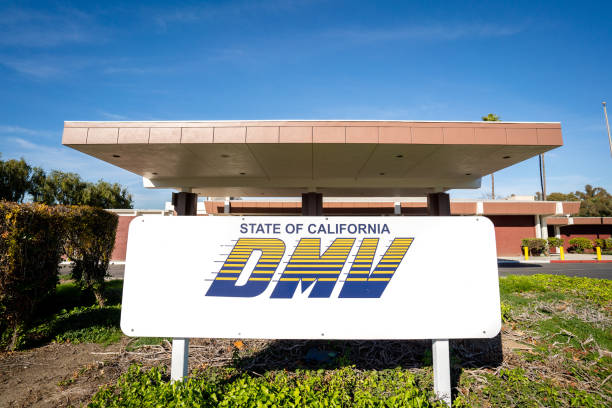
An investigation by InvestigateTV found 23 state DMVs earned at least $282 million in revenue during the 2024–2025 fiscal year from providing private driver data. Georgia topped the list at $53 million, with California close behind at $49 million.
The buyers included insurance companies, data brokers, vehicle manufacturers, universities, and even private investigators. Provided records contained names, home addresses, phone numbers, and driver’s license numbers.
The loophole enabling this practice is the Driver’s Privacy Protection Act (DPPA), passed in 1994. It blocks public disclosure — but carves out 14 broad exceptions, including background checks, insurance evaluations, and private investigations. States then impose per-record fees — often $5 each — or sign high-value contracts worth thousands.
Most Californians had no idea it was happening.
Jay Jang, vice president of Eden Auto in LA Koreatown, said on the 27th that even people in the business “had no idea,” adding that “the general public almost certainly doesn’t know.”
A resident from San Antonio, Texas, identified as Nikki, said she never imagined “someone could just pay to buy my address,” calling it “a direct threat to safety.”
DMV officials disputed the characterization of a “data sale,” arguing the fees are simply “administrative cost recovery” permitted under federal law. The Virginia DMV also insisted that data is only released when “strict requirements” are met.
Privacy groups say the law is outdated. Only three states — Delaware, Wisconsin, and Wyoming — allow drivers to opt out of DMV data sharing. Everyone else has no choice.
James Lee, head of the Identity Theft Resource Center, said driver data is “far more valuable than in the past” and argued that “privacy rights shouldn’t depend on where someone lives.”
Advocates warn Congress must act before a $49 million business grows even bigger.
BY HANKIL KANG [kang.hankil@koreadaily.com]