
The Price is… Wrong? How Dynamic Pricing is Ghosting Your Budget
Have you ever refreshed a webpage only to find the shoes in your cart suddenly cost $10 more? Welcome to the era of Dynamic Pricing, a high-tech game of “supply and demand” that is moving from your smartphone apps directly into the aisles of your favorite grocery stores. While once reserved for airline tickets and Uber rides, this fluid pricing model is sparking a nationwide debate over consumer fairness.
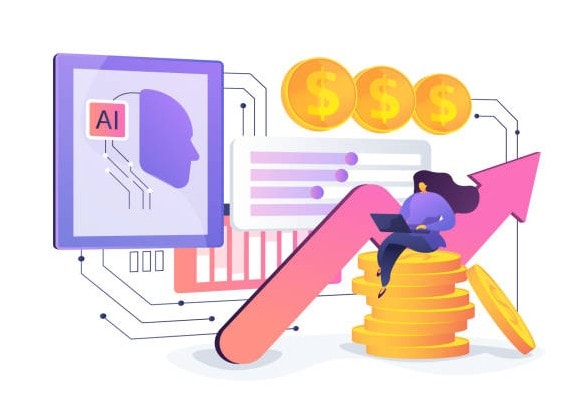
From Flight Seats to Grocery Sheets
As Emily Prinsloo, a marketing professor at Rice University, recently told NBC, the core of the issue is simple: “Prices change based on supply and demand.” But the execution is getting more complex.
-
The Digital Tag Revolution: Retail giants like Walmart are experimenting with digital shelf labels. This tech allows stores to update prices instantly across thousands of items, potentially raising the cost of a cold soda on a scorching afternoon or a turkey just days before Thanksgiving.
-
The Surge Effect: We’ve accepted it with ride-sharing, but seeing Dynamic Pricing hit essential goods like bread or milk has triggered a wave of “sticker shock” and frustration among shoppers.
Beat the Bot: How to Save in a Fluctuating Market
If algorithms are working to raise prices, you need a strategy to bring them back down. Experts suggest a “tactical shopping” approach to combat Dynamic Pricing:
-
Shop the Mid-Week Slump: Data shows that prices often peak during high-traffic weekends. Aim for Tuesday or Wednesday for your big hauls.
-
Use Tracking Tools: Apps and browser extensions that track price history can tell you if you’re buying at a “surge” peak or a natural valley.
-
Book Early, In Private: For travel and services, clear your cookies or use incognito mode to prevent algorithms from hiking prices based on your search history.
The Legal Backlash: States Fight Back
Not everyone is taking these fluctuating tags lying down. Lawmakers are beginning to step in to protect the “essential” wallet. Maryland has already passed legislation to restrict Dynamic Pricing in grocery stores, ensuring that basic necessities don’t become luxury auctions. Meanwhile, California is investigating how algorithms use personal data to target specific shoppers with higher price points.
The bottom line? The price tag isn’t as permanent as it used to be. Staying informed and timing your clicks might be the only way to ensure you aren’t paying a “premium” just for being in the wrong place at the wrong time.
BY YEONGCHAE SONG [song.yeongchae@koreadaily.com]