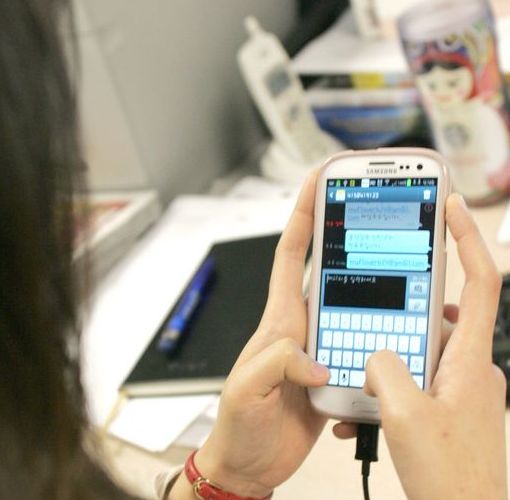
#Mr. Kim recently received a text message from a sender claiming to be Bank of America. The message explained that his account information has leaked and to provide further information, Kim must give out his four-digit PIN to confirm his identity. Kim was suspicious and when he checked with Bank of America’s customer service department, he had realized that the initial call was an attempted smishing scam.
#An email was sent to Ms. Lee from a sender disguised as the IRS. The email accused Lee of having unreported taxes and to avoid prosecution, she must provide her personal information. She also confirmed that the email was a fraud after checking with her accountant.
Text messages pretending to be from IRS and other financial institutions are becoming more rampant than ever before.
Smishing, a short for SMS phishing, is a form of fraud targeted for victims in an attempt to collect their personal information, including bank account numbers, PINs and social security numbers through text messages and emails.
In recent months, more smishing scams have approached potential victims as renowned financial institutions, such as Bank of America. Last year, text messages disguised as JP Morgan Chase’s customer service center (service@chase.com) or Citibank were also running rampant.
In addition, some smishing scams ▶pressure potential victims by warning that they have overdue taxes ▶request personal information with contest promotions for gift cards from the likes of Best Buy ▶claim to be from an acquaintance of a friend or family.
After sending the text message, the fraud encourages the recipient to click on a link to a website. As soon as the recipient clicks on the link, his or her device becomes fallible to leaking personal information. In some cases, additional charges could occur if the recipient makes a return call.
“The fraudsters pressure recipients of their messages to click on the links by using words like ‘emergency,’ ‘prosecution’ and ‘arrest,’” said security experts. “They also try to tempt people by saying that they’re giving away free items.”
The experts added that the ways for the fraudsters to act as representatives of public organizations is only becoming savvier.
Additionally, recipients of such messages are encouraged to ▶delete such messages immediately ▶confirm that the sender contacted with a verifiable phone number ▶not click on unverified links ▶be aware of messages that require prompt response ▶ avoid saving passwords to online banking accounts on electronic devices ▶only use credible businesses when shopping online.
Anyone who has sensed suspicious fraud activity are encouraged to contact the Federal Communications Commission (888-225-5322).
By Sungcheol Jin