The Death of the Dollar Menu: Tracking a Decade of Fast Food Price Increases
Remember when a handful of loose change could score you a feast at the local drive-thru? Those days are officially history, as sudden fast food price increases have dramatically outpaced national inflation over the last decade. While the US consumer price index rose by a steep 31% since 2014, a new study by FinanceBuzz reveals that your favorite fast-food joints have been far more aggressive, with some chains literally doubling their prices.
The Worst Offenders: Who Doubled the Price of Dinner?
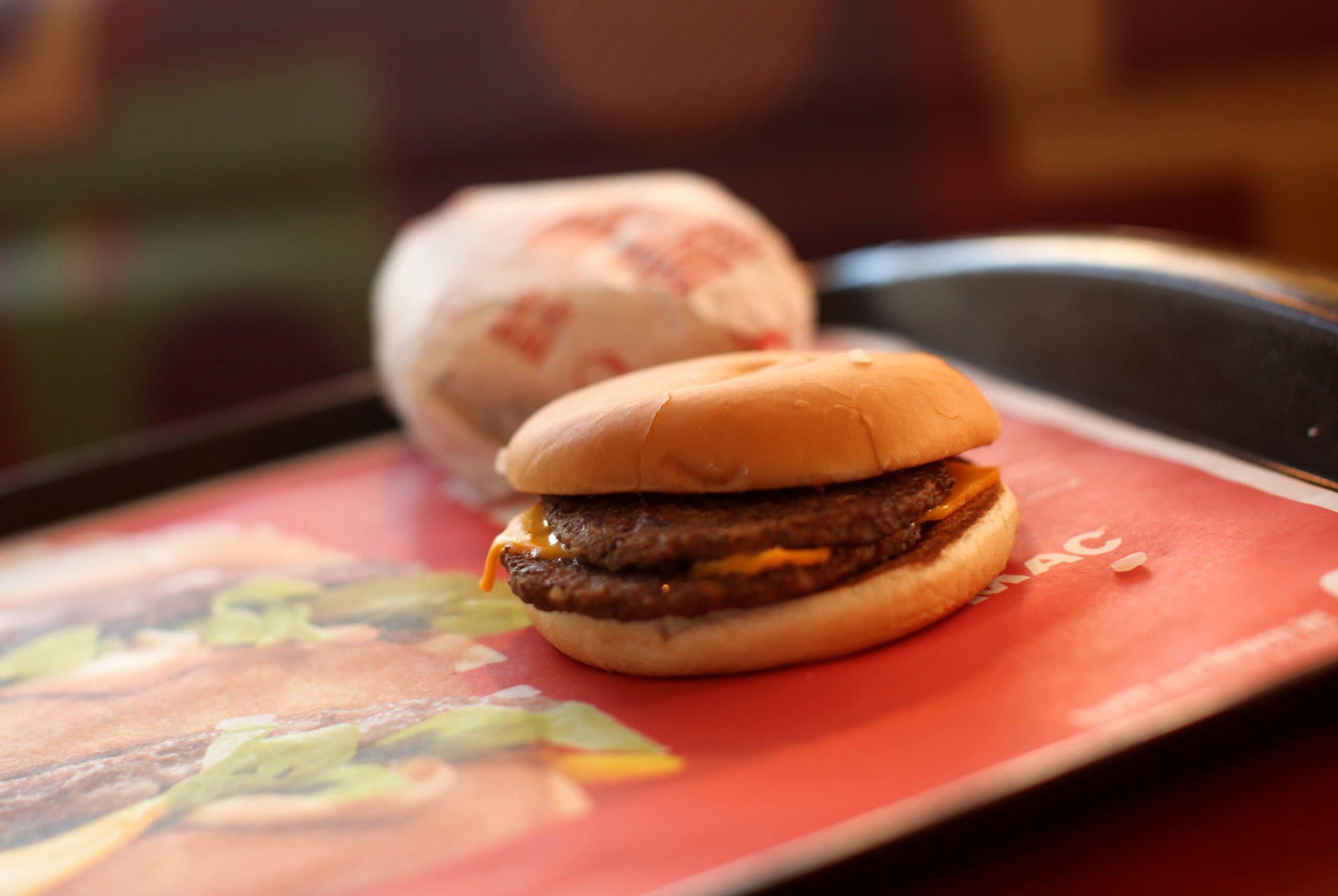
McDonald’s takes the crown for the most aggressive price hikes. The brand that practically invented budget dining has seen its menu items jump by an average of 100% over the last ten years. That beloved $1 McChicken? It now demands nearly $3.
But the golden arches aren’t flying solo on this expensive trajectory. Spicy chicken and quick tacos are also demanding premium real estate in your wallet. The data shows clear trends across major national brands:
| Fast Food Chain | Average Price Increase (Since 2014) | Real-World Example |
| McDonald’s | 100% | McChicken went from $1 to nearly $3 |
| Popeyes | 86% | 2-Piece Chicken Combo jumped 76% to $11.39 |
| Taco Bell | 81% | Beefy 5-Layer Burrito surged 132% to $3.69 |
| Chipotle | 75% | Barbacoa Burrito ballooned to $12.45 |
| Panera Bread | 63% | Signature Soup Bread Bowl climbed 84% to nearly $10 |
| Chick-fil-A | 57% | Classic Chicken Sandwich Combo rose to $8.55 |
| Wendy’s | 56% | Balanced near the mid-range industry average |
The Safe Havens: Who Kept Inflation in Check?
Fortunately, a few franchises chose a gentler path. Subway and Starbucks managed to restrain their price hikes to a modest 39% over the decade. While Subway’s classic six-inch Black Forest Ham has graduated from its historical $3.50 price tag, it still offers reliable value at $5.25. Meanwhile, a Starbucks Caffe Latte will set you back about $4.45—roughly 80 cents more than a decade ago.
Keep in mind that these figures represent nationwide averages. If you are ordering your lunch in California, you can expect to pay an extra premium at the register, driven partly by the state’s higher minimum wage standards for fast-food workers.
The Final Verdict
Fast food has evolved from a cheap, convenient fallback into a deliberate dining luxury. Next time you pull up to the speakerbox, you might want to double-check your budget—or start looking up copycat recipes online.