The Hidden Danger in Your Freezer: Why This Frozen Sashimi Recall Matters
If you have a craving for raw fish tonight, you might want to double-check your kitchen inventory first. The U.S. Food and Drug Administration (FDA) has announced a voluntary frozen sashimi recall on select Korean imported flatfish (Gwang-eo) and flounder (Gaja-mi) products. The issue isn’t the fish itself, but rather what’s hiding inside the accompanying sauce packets.
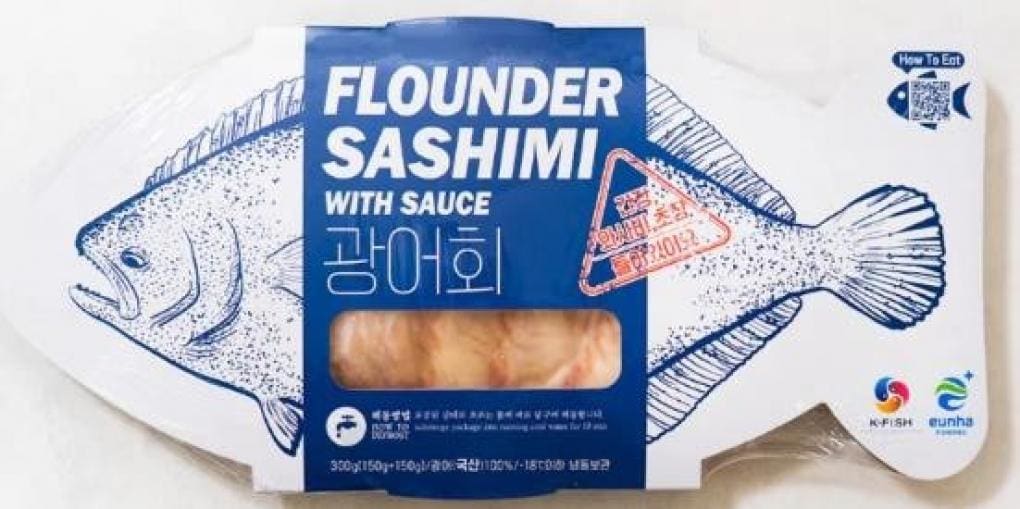
South Korean seafood supplier Eunha Suisan issued the recall after discovering that individual packets of soy sauce, wasabi, and spicy chili paste (cho-gochujang) contained undeclared wheat, soy, and sesame. While the outer box listed these ingredients, the individual condiment packets failed to display the allergen warnings in English. For anyone with a severe allergy or sensitivity to wheat, soy, or sesame, consuming these products could trigger a severe or life-threatening reaction.
Is Your Seafood Pack on the List?
The frozen sashimi recall specifically impacts the following products distributed nationwide, including popular online and retail channels like Wooltari USA and J&One Foods:
| Product Type | Package Weight | Expiration Dates (Best By) |
| Frozen Flatfish (Gwang-eo) Sashimi | 347g | May 7, 2026 |
| Frozen Flatfish (Gwang-eo) Sashimi | 300g | July 11, 2026 & December 8, 2026 |
| Frozen Flounder (Gaja-mi) Sashimi | 300g | July 11, 2026 & December 8, 2026 |
Note: The affected items were sold via local retail stores, online malls, and direct-to-consumer home delivery services across the country.
What You Should Do Next
Fortunately, no illnesses or allergic reactions have been reported to date. However, health officials are urging consumers not to roll the dice.
If you have a severe allergy to soy, wheat, or sesame, do not consume the product. You should either throw the item away immediately or return it to the point of purchase for a full refund. For those without any of these food allergies, the product remains perfectly safe to eat—though you might want to bring your own non-recalled soy sauce just to be safe!
For more specific product identification details, consumers can view the official announcement on the FDA’s recall page.