Dumbing Down to Smarten Up: Why Dumb Phones Gen Z Trends Are Taking Over
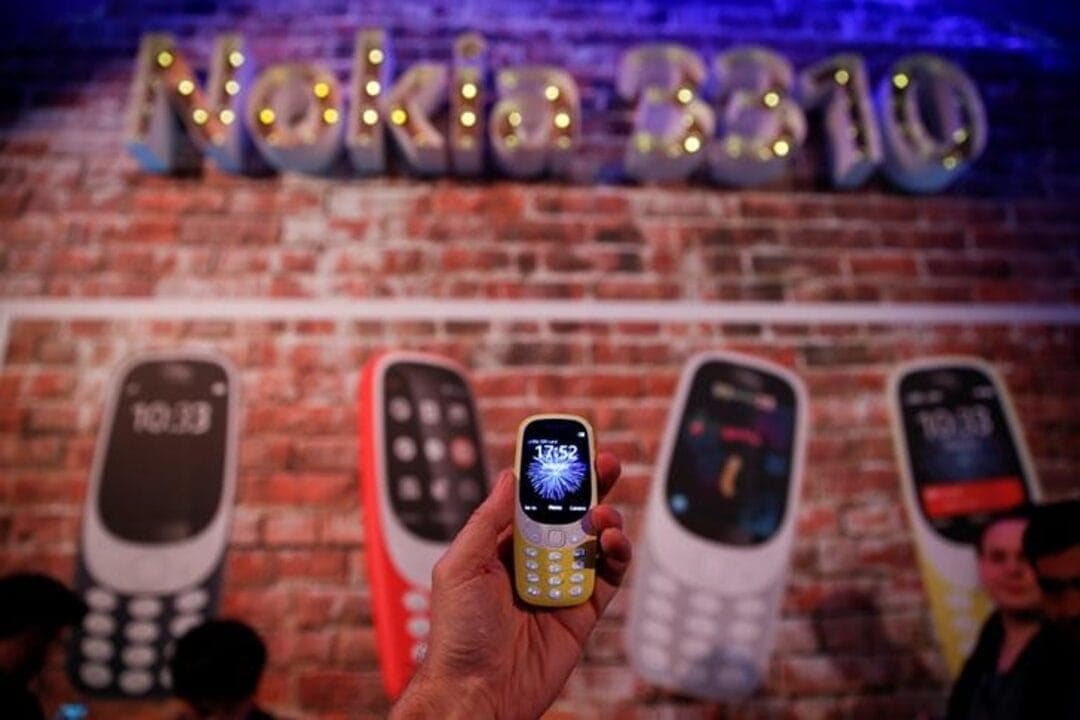
If you’ve noticed a sudden surge of Y2K flip phones in the wild, you aren’t imagining things—and no, it isn’t just a quirky fashion statement. A growing wave of young people are intentionally trading their sleek, multi-thousand-dollar smartphones for basic “dumb phones.” Driven by burnout, mental health concerns, and a desperate desire to stop endless doomscrolling, dumb phones Gen Z adopters are choosing to downgrade their hardware to upgrade their real-world lives.
The Psychology of the Breakup: Addiction by Design
Why the drastic shift? According to researchers, the urge to unplug comes down to how modern platforms are built. Studies highlight that the average American teen spends nearly five hours a day on social media, with experts comparing the design of these apps to patterns seen in substance abuse—triggering symptoms like withdrawal, tolerance, and impaired self-control.
With legal pressure mounting against tech giants for creating addictive algorithms, users are taking matters into their own hands. Switching off notifications isn’t cutting it anymore; physical restriction is becoming the ultimate form of self-care.
Flip Phones, Brick Apps, and the “Offline” Movement
The dumb phones Gen Z movement isn’t strictly limited to 1990s retro tech. Today’s marketplace offers a spectrum of digital detox solutions tailored for modern survival:
-
Classic Flip Phones: Ultra-basic hardware that strictly handles phone calls and text messages.
-
Hybrid Devices: Startups like Dumb.co offer minimalists hardware pre-loaded with essential utilities—think Spotify, Uber, and GPS navigation—while strictly banning social media apps.
-
App Blockers & Companion Tools: Hardware tools like Brick attach to existing smartphones to physically seal off access to distracting feeds.
Beyond hardware, structured initiatives like “Month Offline” challenge participants to go screen-free for 30 days while engaging in real-world community events, giving users the gentle nudge they need to break the habit.
Life Beyond the Screen
While breaking up with your smartphone takes serious discipline, the trade-off is hard to argue with. Users who commit to dialing back their screen time consistently report better sleep, sharper focus, and significantly lower stress levels. Replacing endless scrolling with real-world presence might feel radical in 2026, but for a generation raised online, going offline is the ultimate flex.