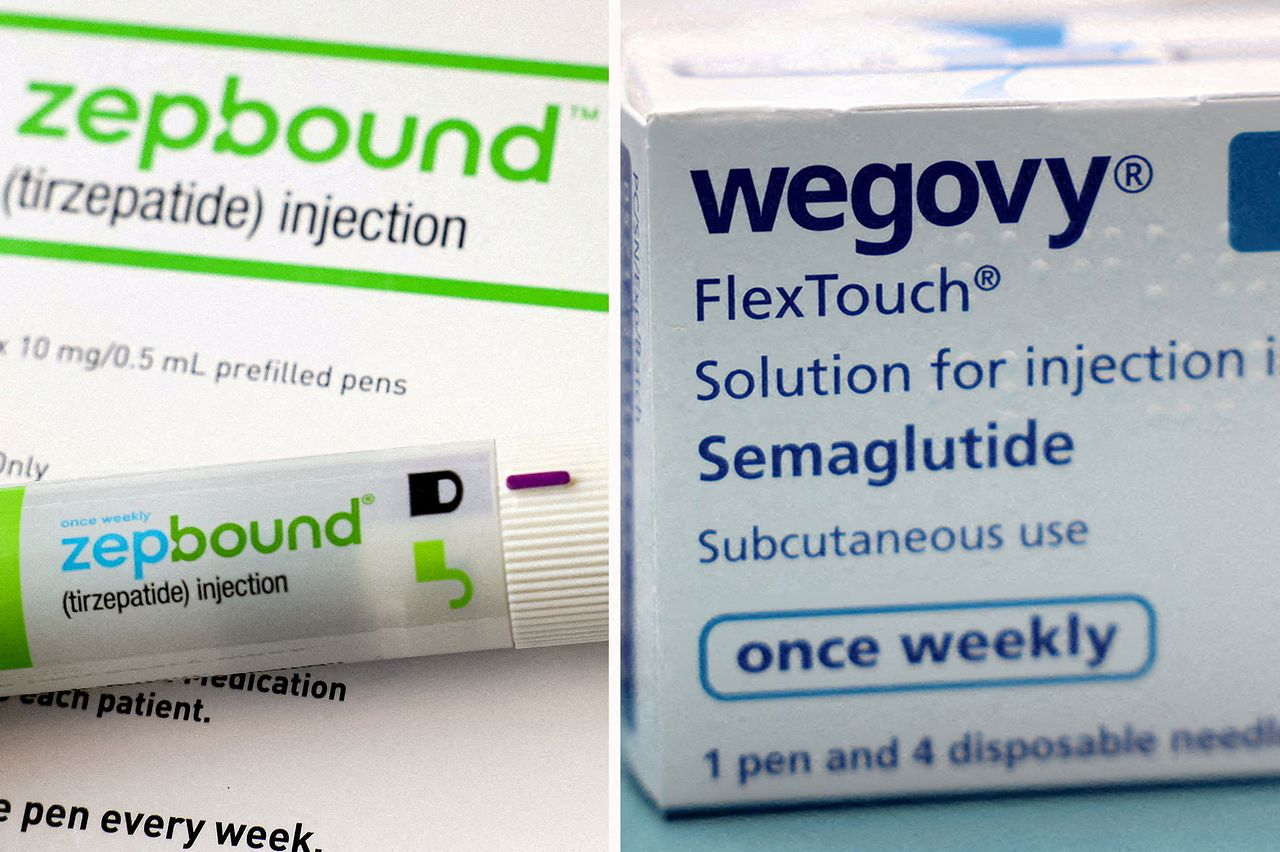
The potential of GLP-1 weight loss drugs continues to expand into unexpected medical domains, including liver disease, arthritis, and sleep apnea, but these breakthroughs come with growing safety concerns. The U.S. Food and Drug Administration (FDA) has officially issued a warning regarding the risk of optic nerve damage associated with these medications.
According to the pharmaceutical and biotech industry on November 10, U.S.-based Eli Lilly announced that its oral weight-in-loss candidate ‘Orforglipron’ (referred to as ‘Foundayo’ in context) reduced breathing interruptions during sleep by an average of 43.8% over 52 weeks in obese and overweight patients suffering from obstructive sleep apnea who did not use a CPAP machine. Lilly plans to apply for an expanded indication for sleep apnea to the FDA within the year.
Lilly also released phase 3 clinical trial results on November 8 (local time) for its next-generation weight-loss candidate, ‘Retatrutide.’ The drug demonstrated reductions in both body weight and knee pain when administered to obese or overweight patients with knee osteoarthritis.
Certain weight-loss medications have already secured approval for treating other conditions. Novo Nordisk’s ‘Wegovy’ has been approved for reducing cardiovascular risks and treating steatohepatitis, while Lilly’s ‘Zepbound’ (sharing the active ingredient as Mounjaro) has been authorized in the U.S. for treating moderate-to-severe obstructive sleep apnea in obese adults.
As therapeutic applications broaden, safety concerns are mounting. On November 9 (local time), the FDA mandated the inclusion of a warning regarding Non-Arteritic Ischemic Optic Neuropathy (NAION), a rare optic nerve disorder, in the warnings and precautions section for GLP-1 receptor agonists. This condition reduces blood supply to the optic nerve, triggering sudden vision loss and potentially leading to permanent impairment.
FDA Analysis and Global Response
Following an FDA analysis of data from 126 clinical trials involving 134,253 patients, NAION occurred in 10 patients in the GLP-1 treatment group compared to 5 in the control group. When converted to an annual incidence rate per 100,000 patients, this translates to 6.4 and 3.8 cases, respectively. Although the incidence is low, the FDA noted that GLP-1 medications may elevate the risk of NAION and advised patients experiencing sudden vision loss in one eye to seek immediate medical attention.
Risks of vision impairment linked to GLP-1 medications have been raised previously. After the European Medicines Agency (EMA) classified NAION as a very rare side effect of semaglutide-based drugs like Wegovy in June of last year, the FDA has now expanded this warning to the entire GLP-1 class.
In South Korea, one suspected case of optic nerve disorder following Wegovy administration was reported in 2024. However, the Ministry of Food and Drug Safety stated that a direct causal relationship has not yet been confirmed. Following last month’s addition of NAION warnings to semaglutide products, the ministry is currently reviewing further labeling and approval changes for all GLP-1 receptor agonists in alignment with the recent U.S. FDA measures.